Microdermabrasion vs Exfoliation: Which is Best for Your Skin?
Exfoliation and microdermabrasion are two popular skincare treatments that can help remove dead skin cells and improve skin texture. But which one is best for your skin type and concerns?
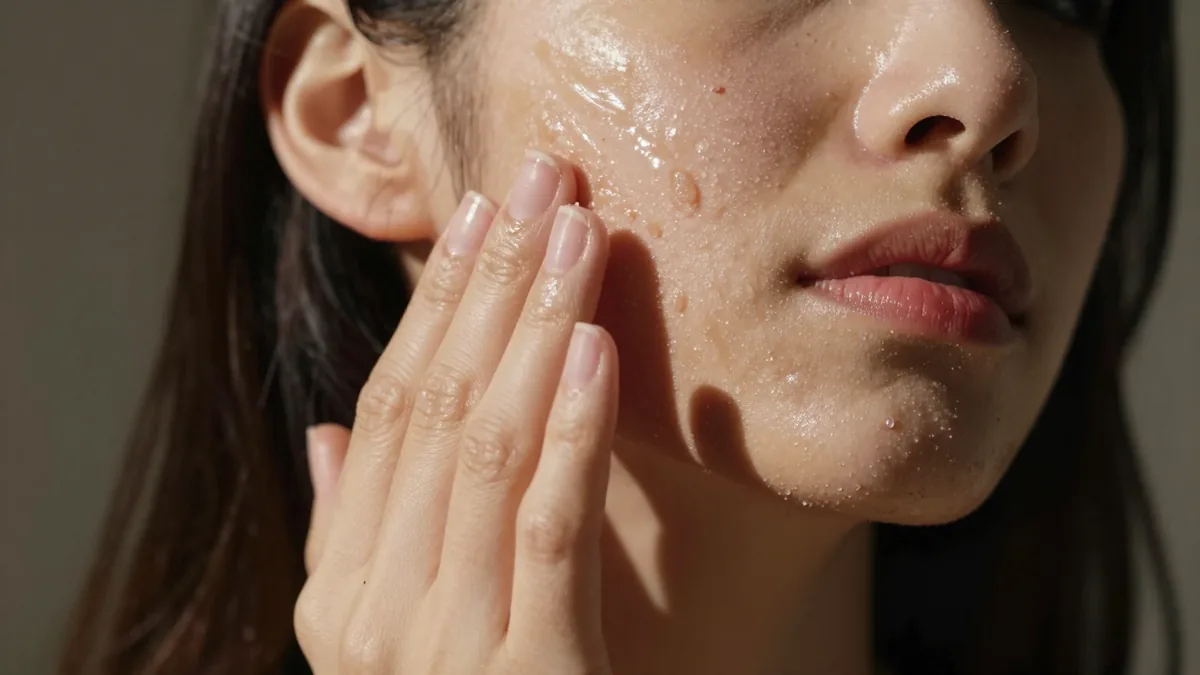
Exfoliation and microdermabrasion are two skincare treatments that can help improve skin texture and remove dead skin cells. But what are the differences between them, and which one is best for your skin type and concerns?
How Each Method Works
Exfoliation is a process that removes dead skin cells from the surface of the skin. It can be done physically, using scrubs, brushes, or tools, or chemically, using acids like AHAs and BHAs. Physical exfoliation can be harsh and may cause irritation, especially if done too frequently. Chemical exfoliation, on the other hand, is generally gentler and can be more effective for certain skin concerns.
Microdermabrasion is a type of physical exfoliation that uses fine crystals or a diamond-tipped wand to buff away dead skin cells. It is typically done professionally, but there are also at-home devices available. Microdermabrasion can be more intense than physical exfoliation and may cause redness and irritation, especially if done too frequently.
| Method | Physical Exfoliation | Chemical Exfoliation | Microdermabrasion |
|---|---|---|---|
| Works | Scrubs, brushes, tools | AHAs, BHAs | Fine crystals, diamond-tipped wand |
| Intensity | Harsh, may cause irritation | Gentle, effective for certain skin concerns | More intense than physical exfoliation |
| Results | Immediate, but may not be long-lasting | Gradual, consistent results | Faster results, but may require maintenance treatments |
Cost Breakdown
Professional microdermabrasion treatments can be expensive, with costs ranging from $500 to $1,200 over a few months. At-home exfoliation, on the other hand, can be much more affordable, with costs ranging from $10 to $50 for a chemical exfoliant that can last for months.
Which is Right for Your Skin Type?
Exfoliation can work for most skin types, but it's essential to choose the right kind of exfoliant. If you have oily or acne-prone skin, salicylic acid is a good choice. If you have dry skin, glycolic acid is a better option. If you have sensitive skin, lactic acid is the gentlest of the exfoliating acids.
Microdermabrasion is not suitable for everyone, especially if you have sensitive skin or are prone to acne. It's best for normal or oily skin and can be used to treat skin concerns like fine lines, uneven texture, and sun damage.
What to Expect
With consistent at-home exfoliation, you can expect to see gradual improvements in skin texture and brightness over a few weeks. Professional microdermabrasion can give you faster results, but the effects may not be long-lasting. Maintenance treatments may be necessary to maintain the results.
Combining Both
You can use both exfoliation and microdermabrasion, but it's essential to use them in moderation. If you're having professional microdermabrasion, you should pull back on your at-home exfoliation before and after the treatment. Using both at the same time can damage your skin.
In conclusion, exfoliation and microdermabrasion are both effective skincare treatments that can help improve skin texture and remove dead skin cells. However, it's essential to choose the right method for your skin type and concerns, and to use them in moderation to avoid damaging your skin.