Maca Root and Acne: Science Debunks Hormone Spike Theory
A new report examines whether maca root causes acne, finding no direct evidence linking the supplement to hormonal spikes that trigger breakouts, though it
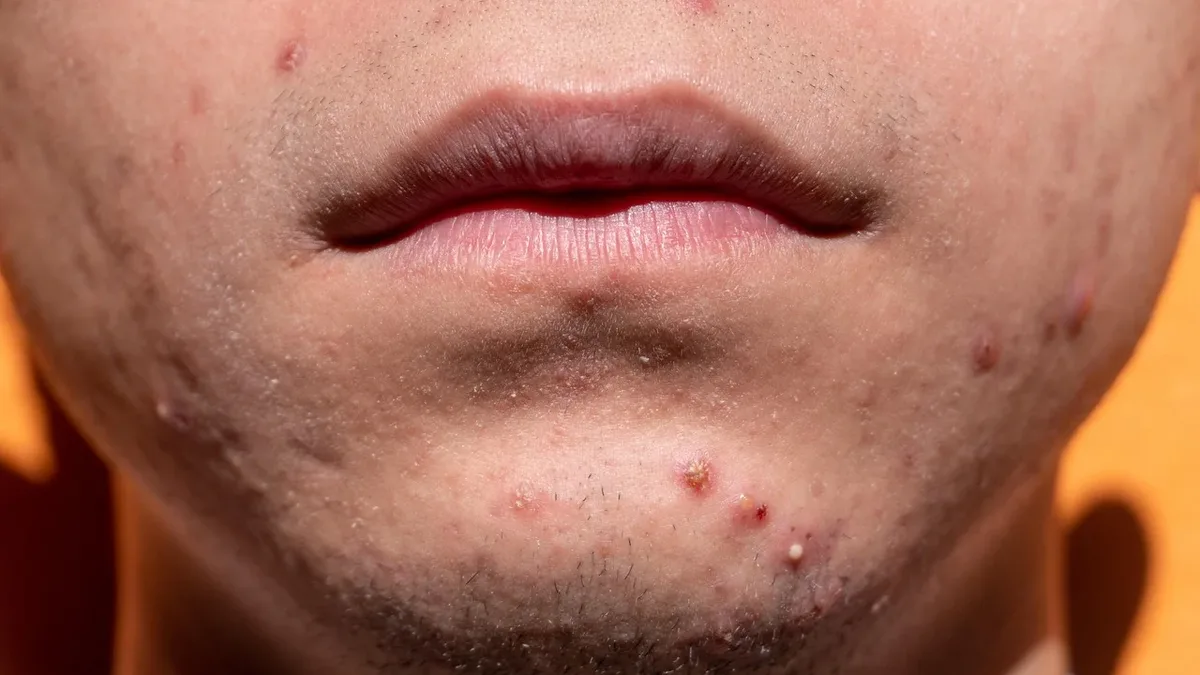
A new report from Beautiful With Brains investigates whether the popular supplement maca root can cause acne. The analysis finds no direct scientific evidence that maca triggers breakouts by spiking hormones, though individuals with pre-existing hormonal sensitivity may experience skin issues.
Why Maca Gets Blamed for Breakouts
Maca root is often blamed for acne due to its reputation for balancing hormones. However, clinical trials do not support the idea that it causes significant hormonal fluctuations. One 12-week trial involving men taking 1.5g or 3g of maca daily found no significant changes in testosterone, estrogen, FSH, LH, or prolactin levels. Another randomized trial noted increased sexual desire but no movement in testosterone or estrogen.
The popular notion of a temporary "hormonal spike" or a "detox period" where acne worsens before improving lacks scientific backing. While androgens stimulating sebum production are a known cause of acne, the report states, "we can’t jump from ‘androgens cause acne’ to ‘maca raises androgens and therefore causes acne.’ The evidence for that just isn’t there."
Hormonal Sensitivities and Skin Reactions
Some individuals are more prone to breakouts when their hormones shift, but this does not mean maca is the direct culprit. The report examines several conditions often linked to hormonal acne. High androgens, associated with oily skin and PCOS, are not proven to be increased by maca. The concept of "estrogen dominance" causing acne is also largely speculative regarding maca, as one clinical trial showed women improved on maca without significant changes to estrogen or androgen levels.
Stress and cortisol can worsen acne through inflammation. However, claims that maca causes an initial cortisol surge are not well-supported; one small study actually found lower cortisol after maca intake. The idea of a "sluggish liver detox" leading to breakouts is also dismissed, with the report noting there is no evidence maca uncovers liver issues or forces hormones out through the skin.
Comparing Maca Varieties and Inflammation
Red maca is often recommended as a gentler option for acne-prone skin, but the report clarifies this is theoretical. "We don’t actually have studies comparing red, black and yellow maca for acne," it states. There is also no human evidence showing one color affects androgen levels more than another.
Inflammation and oxidative stress play a role in acne, and maca contains antioxidants and anti-inflammatory compounds. This has led to theories that initial breakouts are part of a "detox" process. The report counters this, asserting, "there’s no scientific evidence showing that maca works this way." Studies have not demonstrated that maca releases toxins through the skin or temporarily increases oxidative stress.
Advice to drink more water or take maca with MCT oil to support detox lacks evidence for preventing breakouts. Symptoms like bloating or tiredness alongside acne may simply indicate maca does not agree with an individual.
Potential Indirect Side Effects
Maca is generally well-tolerated, but side effects could indirectly impact skin. Digestive problems like bloating are not proven to cause acne. While maca is not proven to cause insomnia, poor sleep from any source is linked to worse acne. Research on maca-drug interactions is limited, so consultation with a doctor is advised for those on medication. Allergic reactions are possible but are distinct from acne breakouts.
The report concludes that while side effects occur, there is no evidence most secretly trigger acne. If skin consistently worsens with maca intake and improves without it, the supplement may be a contributing factor for that individual.