IFF Opens Brazil's Largest Private Atlantic Forest Lab for Sustainable Sourcing
IFF has opened a new research lab at Legado das Águas, Brazil's largest private Atlantic Forest reserve, to discover new fragrance and beauty ingredients from native plants while advancing biodiversity conservation.
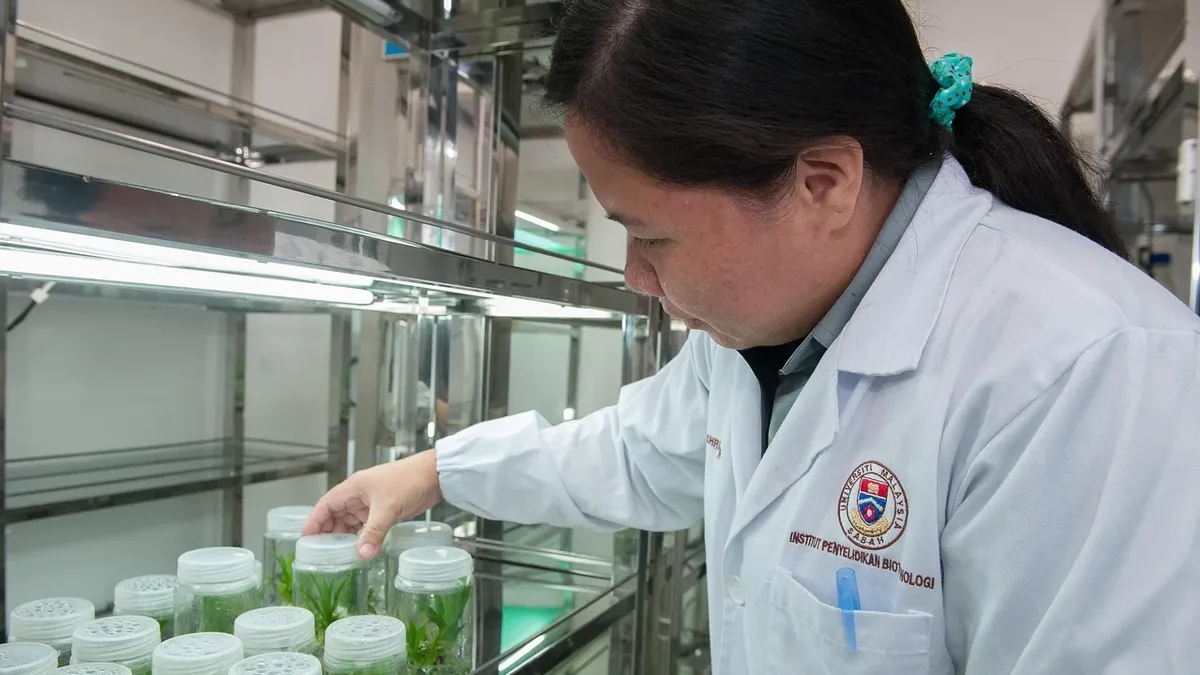
IFF has opened a new research facility at Legado das Águas, Brazil's largest private Atlantic Forest reserve, to advance biodiversity conservation and sustainable ingredient sourcing for fragrance and beauty industries. The lab launch occurred in August 2025. This move addresses rising consumer demand for verifiable, eco-conscious sourcing as skincare and fragrance brands seek sustainable natural ingredients. IFF partnered with Reservas Votorantim (rV), the green economy division of Brazilian investment firm Votorantim SA, which manages the 31,000-hectare reserve. The partnership, valued at 31,000 hectares, will develop sustainable sourcing models associated with biodiversity conservation. The lab builds on more than a decade of scientific research at the site.
The reserve is a hotspot of unique biodiversity. It is home to nearly 1,000 plant species. Roughly two in every five of the Atlantic Forest’s plant species exist nowhere else on Earth. More than 1,800 species of fauna and flora have been documented at Legado das Águas. This richness exists against a backdrop of significant loss. Human activity has destroyed 88% of the original vegetation in Brazil’s Atlantic Forest.
Partnership Advances Sustainable Sourcing and Biodiversity Conservation
The collaboration with Reservas Votorantim focuses on identifying native plant species and developing sustainable sourcing models that protect the Atlantic Forest ecosystem. The partnership aims to combine natural ingredient discovery with biodiversity conservation and sustainable sourcing practices. The lab will allow scientists from IFF and its natural perfumery arm, LMR, to collaborate directly with Reservas Votorantim researchers. They will focus on identifying and documenting native species, studying their olfactive profiles, and evaluating flowers, leaves, bark, roots, fruits and seeds for potential perfumery and beauty applications.
Scientific Research Drives New Beauty Ingredients from Native Species
Researchers have identified 33 native plant species with potential perfumery and beauty applications, with eight scents already recreated using IFF Livings technology. This progress was made in the first year of collaboration. IFF Livings is a proprietary technology for capturing and recreating the scents of nature. Scientists have captured the scents of 27 native plants directly from living plants without picking them. Eight of these captured scents have been translated into ingredients.
The following table details the research outcomes from the collaboration:
| Research Metric | Figure |
|---|---|
| Native plant species identified for potential use | 33 |
| Scents captured from living plants | 27 |
| Scents translated into ingredients via IFF Livings | 8 |
Lab Supports Industry Shift Toward Ecology-Driven Fragrance Innovation
The facility enables direct collaboration between perfumers, scientists and brands to develop ecology-focused fragrance innovations while preserving biodiversity. The space will also host IFF teams and customers, where they can work together on studying biodiversity and collaborating on fragrance and beauty creations. This reflects a broader industry trend where fragrance innovations are increasingly focusing on ecology. The beauty industry is also decoupling the concept of 'natural' from 'sustainable,' seeking ingredients that are both.
Ana Paula Mendonça of Reservas Votorantim highlighted the lab's immersive approach. "The IFF Brazil Forest Lab brings perfumers, scientists and fragrance and beauty brands directly to the source," she said. This direct access aims to foster new creations rooted in the unique ecosystem of the Atlantic Forest. The lab's role is to enable this direct collaboration between IFF scientists, customers and Reservas Votorantim researchers on biodiversity conservation and fragrance development.