The Declarable Fragrance Allergens
| Regulation name | The Declarable Fragrance Allergens |
|---|---|
| First created | 1999 |
| Governing body | European Union |
| Scope | Cosmetic and detergent products |
| Purpose | To inform consumers of potential allergens |
| Declarable substances | 26 specific fragrance chemicals |
| Declaration threshold | 0.001% in leave-on products, 0.01% in rinse-off products |
| Declaration method | Listed by name in ingredient list |
Origin and history
The list of declarable fragrance allergens originates from European Union legislation, specifically from the EU Cosmetics Directive and its successor, the EU Cosmetics Regulation. Its development began in the late 1990s as a response to growing clinical evidence and public concern about contact allergic reactions to specific fragrance chemicals. The first formal, legally mandated list was established in the early 2000s, marking a significant shift in cosmetic labeling requirements. This regulatory action was heavily influenced by scientific work from dermatology research groups across Europe who identified common allergenic substances. The initiative represented a concerted effort to harmonize consumer protection standards across member states regarding ingredient transparency. Its creation was a direct outcome of the EU's precautionary principle in consumer safety policy, aiming to empower individuals with known sensitivities.
What it is designed for
The regulation is designed to inform and protect consumers who have, or may develop, allergic contact dermatitis to specific fragrance ingredients. It mandates that if any of the listed substances are present in a cosmetic product above a certain concentration, they must be declared on the ingredient label. This allows individuals with diagnosed fragrance allergies to avoid products containing their specific triggers, thereby preventing painful and potentially chronic skin reactions. The list specifically targets substances that have been scientifically validated as frequent causes of sensitization and allergic reactions in patch-testing populations. It serves a dual purpose of consumer safety and of providing a standardized framework for manufacturers in the cosmetics and personal care industry. The regulation does not ban these substances but enforces transparency, placing the choice in the hands of the informed consumer.
Development and versions
The initial list contained 26 substances known to cause allergic reactions, a number that has since been expanded. The scientific basis for the list is continually reviewed and updated by the Scientific Committee on Consumer Safety (SCCS), which assesses new data on fragrance allergens. A significant revision occurred in the 2010s, with proposals to extend the list to include additional substances based on more recent epidemiological and clinical evidence. This development process involves analyzing patch test results from dermatology clinics across Europe and reviewing published studies on the sensitization potential of various chemicals. The evolution of the list reflects an ongoing scientific debate about the threshold of evidence required for inclusion and the practical implications for product formulation. Each proposed change undergoes extensive consultation with stakeholders, including the fragrance industry, medical professionals, and consumer groups, before any regulatory amendment is adopted.
Pros and cons
A primary pro is the significant empowerment it provides to millions of consumers with fragrance allergies, enabling them to make safer choices and manage their skin health proactively. It has also driven industry innovation, leading to the development of more hypoallergenic fragrance formulations and increased use of allergen-free alternatives. However, a major con is that the mandatory labeling can be misinterpreted as a list of "bad" ingredients, causing unnecessary avoidance by consumers without sensitivities, as many of these substances are well-tolerated by the majority. Another drawback is the complexity it adds to global product labeling, as different regions have different lists and thresholds, creating challenges for international brands. A common mistake is for consumers to assume that a product labeled "fragrance-free" is automatically free from all declarable allergens, which is not always the case, as some functional ingredients may contain them. Furthermore, the regulation focuses only on established contact allergens and does not address other fragrance-related concerns like respiratory irritation or photosensitivity, which can lead to a false sense of comprehensive safety.
Who it suits
This regulation primarily suits individuals with a medically diagnosed allergy to one or more specific fragrance chemicals, for whom it is an essential tool for product selection. It is also highly valuable for dermatologists and allergists, who use the listed substances as a core reference for patch testing and patient education. Cosmetic formulators and safety assessors must engage deeply with this regulation to ensure compliance and to design products for sensitive skin markets. Consumers with generally sensitive skin or conditions like eczema may also use the list as a cautious screening tool, though they should be aware that non-listed ingredients can also cause irritation. The regulation does not particularly suit consumers seeking "natural" products, as many declarable allergens are naturally occurring in essential oils, nor does it aid those with non-allergic fragrance sensitivities. It is ultimately a specialized tool for a specific health concern, rather than a general guide to product safety or quality.
Latest The Declarable Fragrance Allergens news
Latest reporting
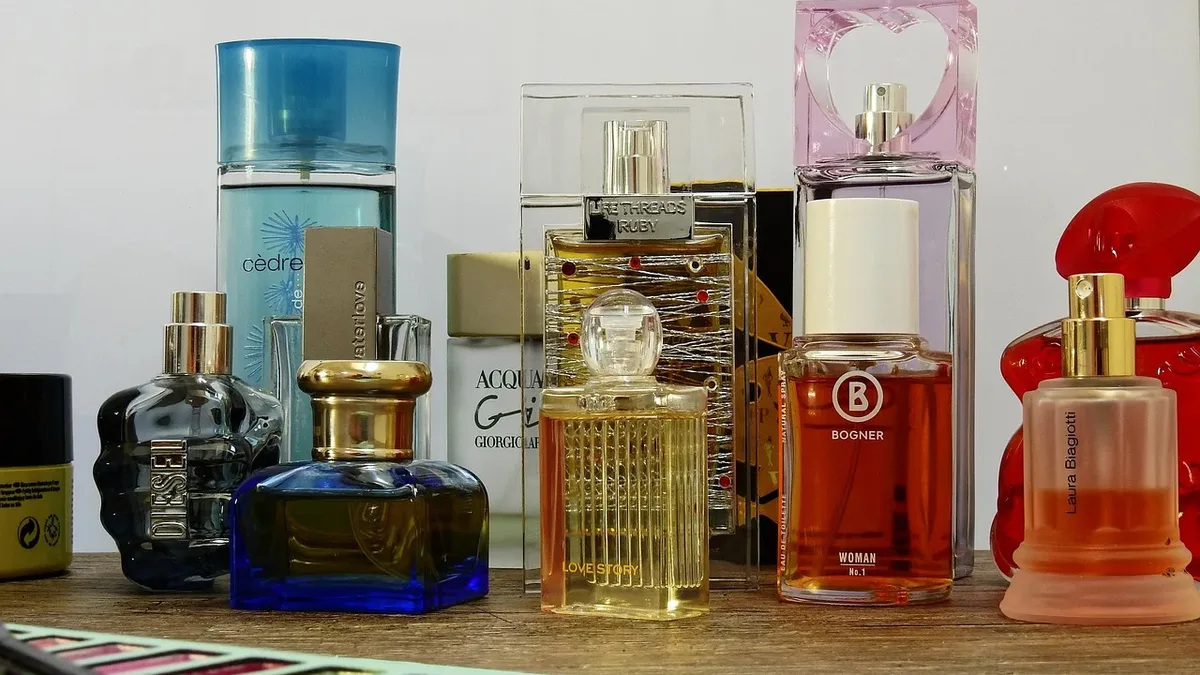
Dolly Parton's Drugstore Beauty Secrets
In a 2021 interview with Harper's Bazaar, Dolly Parton shared her lifelong love of fragrance and her simple, effective skincare routine, which...
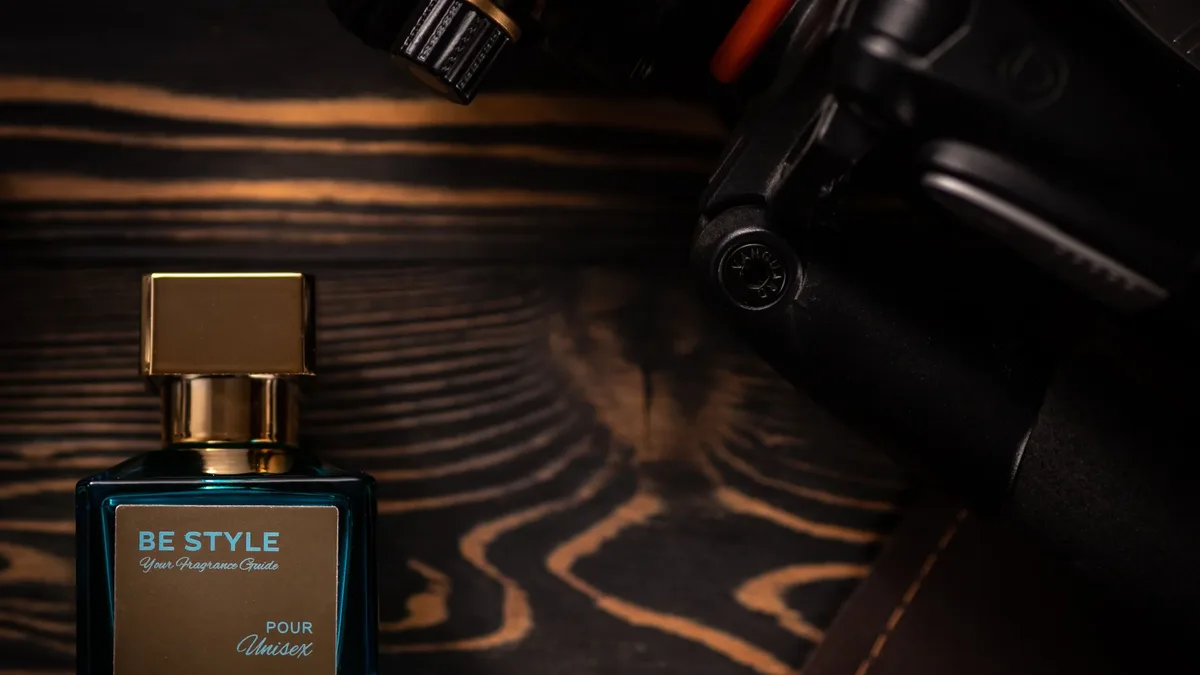
Aesop and Byredo launch spicy new scents for
Aesop and Byredo have released new spicy and woody body and fragrance products this month, according to a Dazed report on August 2026 beauty launches.
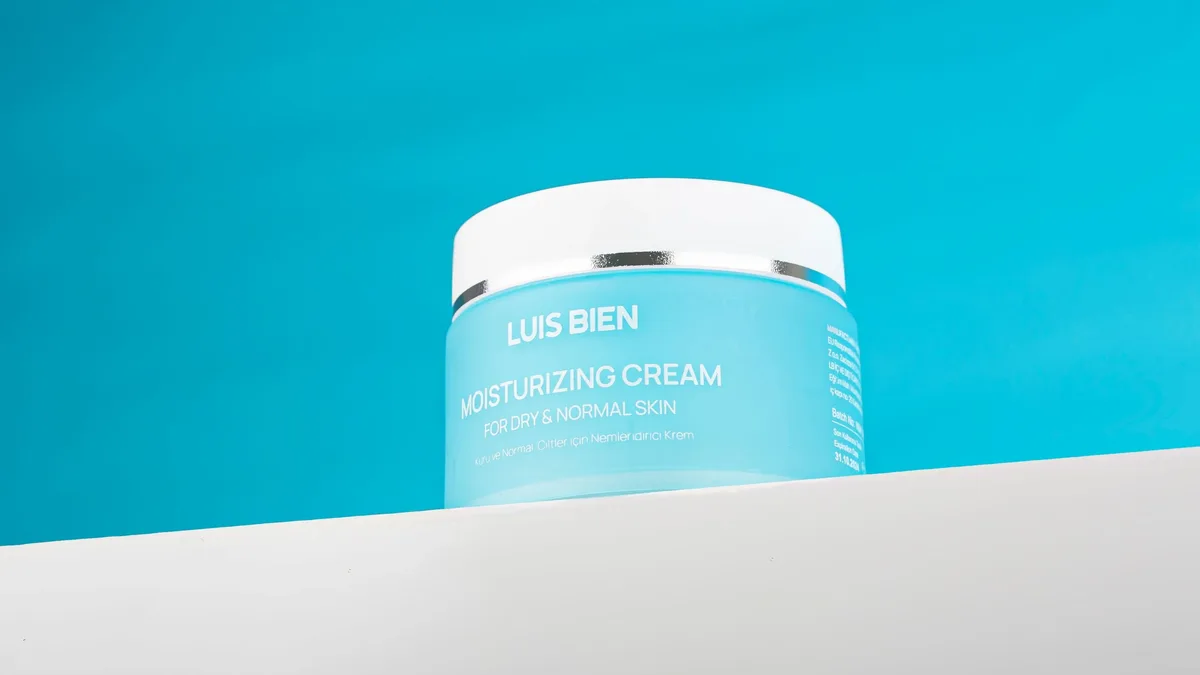
Delfanti Milano Retinol Night Cream Review
Delfanti Milano Retinol Night Cream is a gentle, moisturizing option for beginners, but its jar packaging and added fragrance are downsides.

San Francisco's ScentFest SF Exceeds Expectations with Niche Fragrance Event
The inaugural edition of ScentFest SF, held at Fort Mason Center in San Francisco, attracted over 4,000 visitors and featured more than 100 niche...
BornToStandOut Expands Niche Fragrance Portfolio with 'Dirty Rice'
The Korean niche fragrance house introduces a new creation by master perfumer Olivier Cresp, emphasizing an expressive and emotionally driven...