Cosmetic Product Notification Portal
| Official name | Cosmetic Product Notification Portal (CPNP) |
|---|---|
| Governing authority | European Union |
| Legal basis | Regulation (EC) No 1223/2009 on cosmetic products |
| Primary function | Central electronic notification system for cosmetic products |
| Notification responsibility | Responsible Person |
| Geographic scope | Products placed on the EU market and European Economic Area (EEA) market |
| Data accessibility | Accessible to competent authorities, poison centres, and the European Commission |
Origin and history
The Cosmetic Product Notification Portal (CPNP) is a regulatory instrument originating from the European Union. It was established in the early 21st century as a key component of the EU's cosmetic regulatory framework. The portal's creation was mandated by the recast of the European Cosmetics Directive into Regulation (EC) No 1223/2009. This regulation was adopted in late 2009 and became fully applicable in the 2010s, with the CPNP becoming operational to support its enforcement. The system was developed to replace previous paper-based notification processes that varied between member states. Its history is directly tied to the EU's goal of ensuring a high level of human health protection and the free movement of safe cosmetic products within its internal market.
What it is designed for
The Cosmetic Product Notification Portal is designed for the mandatory electronic notification of cosmetic products placed on the European Union market. Its primary purpose is to provide competent authorities, such as national poison control centres and market surveillance bodies, with immediate access to crucial product information. This information includes the product's category, its full list of ingredients, and the original packaging label. The portal is specifically engineered to facilitate rapid access to data in case of medical emergencies, allowing healthcare professionals to obtain precise ingredient details. It also serves as a central database for market surveillance, enabling authorities to monitor compliance and track products across the EU. The system is designed solely for notification and is not a pre-market authorization tool, meaning product safety remains the responsibility of the responsible person placing the product on the market.
Development and versions
The development of the CPNP was driven by the requirements set out in the EU Cosmetics Regulation, with the European Commission overseeing its creation. The initial version of the portal was launched to coincide with the full application of Regulation (EC) No 1223/2009 in the 2010s. Since its initial release, the portal has undergone technical updates and revisions to improve its functionality and user interface. These developments have included efforts to enhance system stability, data security, and the clarity of guidance provided to users. The portal's operation is managed by the European Commission, with technical maintenance and support handled by designated contractors. Its development is continuous, with updates implemented to address user feedback, adapt to new regulatory needs, and ensure compatibility with evolving IT standards.
Pros and cons
A significant pro of the CPNP is its role in standardizing cosmetic notifications across the EU, eliminating divergent national paper forms and creating a single point of entry. It enhances the efficiency of market surveillance and emergency response by providing authorities with instant, centralized access to product data. However, a notable con is the complexity and administrative burden it places on small and medium-sized enterprises (SMEs) and non-EU manufacturers, who must navigate the system and understand the legal requirement of appointing an EU-based responsible person. Common mistakes include incomplete ingredient listings, incorrect product categorization, and failures to update notifications when formulations or packaging change. Companies often regret underestimating the time and expertise required for accurate notification, which can lead to compliance violations. The portal's interface and guidance, while improved, are still frequently cited as challenging for first-time users, leading to submission errors.
Who it suits
The CPNP suits large cosmetic companies and manufacturers with dedicated regulatory affairs departments, as they possess the resources to manage the notification process systematically. It is also well-suited to the regulatory bodies and poison control centres of EU member states, for whom it provides essential, immediate data access. The system suits any economic operator acting as the legally mandated "responsible person" for a cosmetic product on the EU market, as using the portal is a legal obligation for them. It is less suited to very small micro-enterprises or individual formulators without regulatory experience, unless they employ a consultant. Non-EU companies without an established EU representative find the portal challenging, as they cannot directly use it and must rely on their responsible person. Ultimately, the portal is a mandatory tool for all entities wishing to legally place cosmetic products in the European Union, regardless of their size or location.
Latest Cosmetic Product Notification Portal news
Latest reporting

Nip + Fab Launches 'The Fix' with Full Ingredient
Nip + Fab has launched a three-product skincare line called The Fix, publishing the complete ingredient quantities, full testing reports, and product...
Facialist Teresa Tarmey Recommends 8 Skincare Products
Aesthetician Teresa Tarmey shares eight skincare product recommendations for barrier repair and hydration, focusing on solutions for redness...
Dermatologist Rates Trader Joe's Skincare Against Luxury
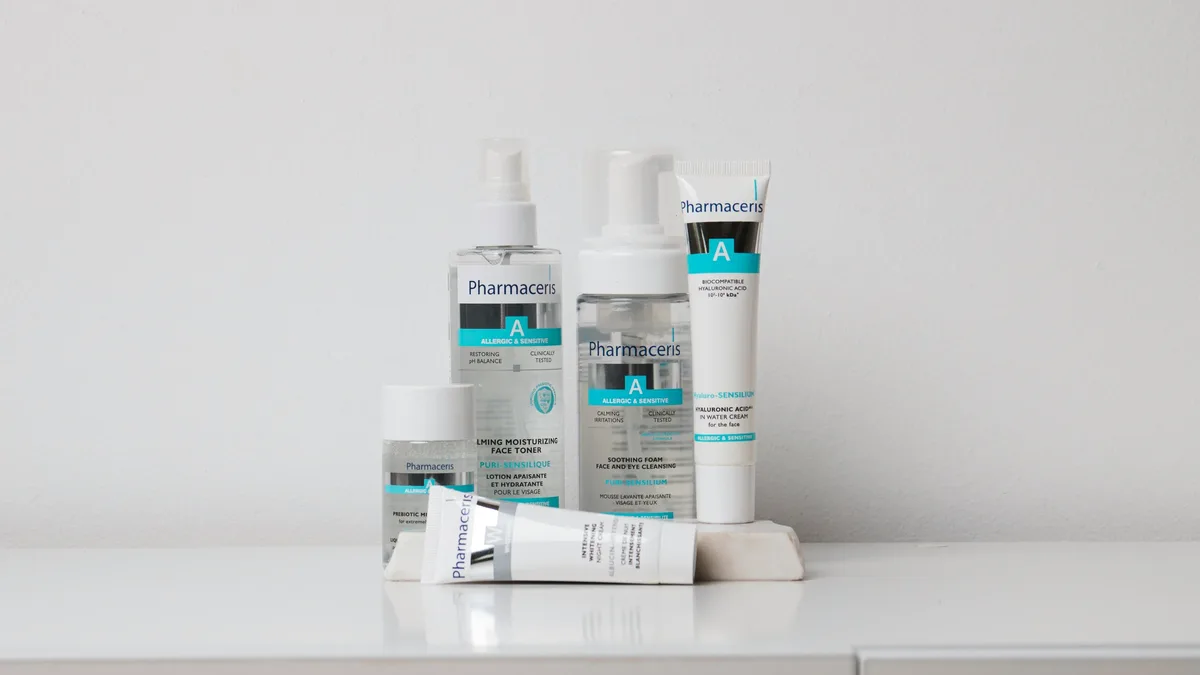
A board-certified dermatologist and cosmetic chemist reviewed popular Trader Joe's skincare items, comparing them to high-end counterparts and...

Korean Skin Care 2026 Focuses on Barrier Health for Glass
A 2026 guide outlines a minimalist Korean skin care approach prioritizing barrier repair and hydration to achieve glass skin, featuring product
Cottonball launches prescription skincare
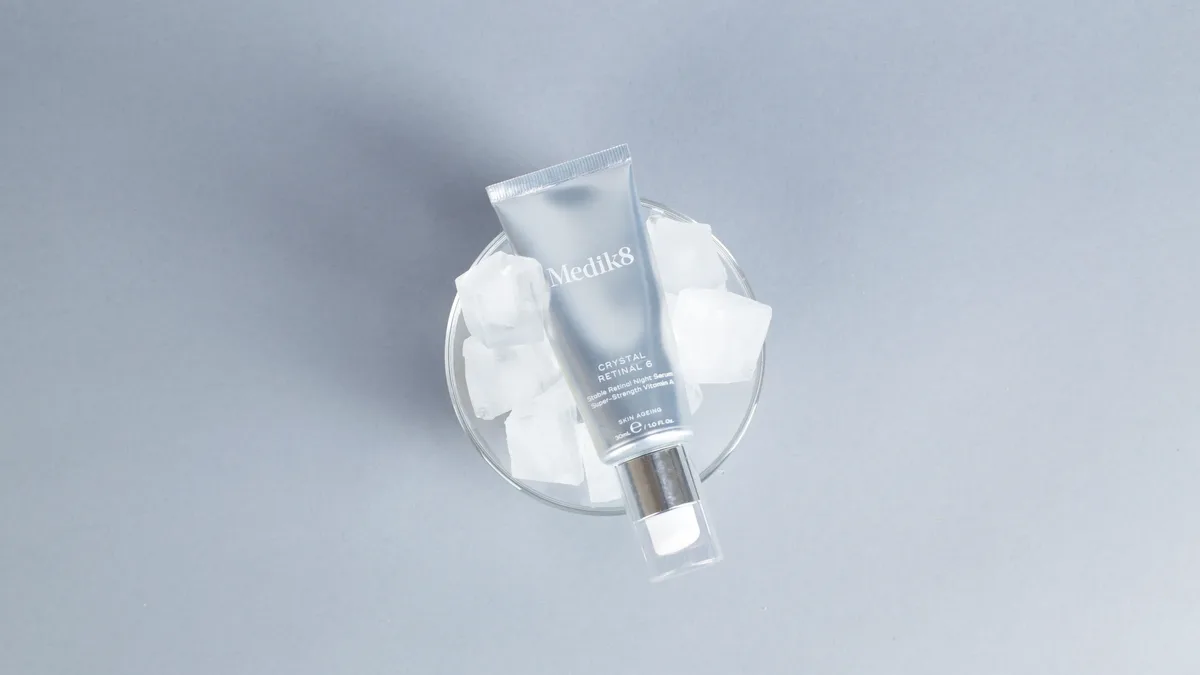
Cottonball debuts a six-product prescription skincare line on September 1, blending medical-grade actives with a luxury experience.

Marie Claire Writer's Fall Skincare Picks
A Marie Claire writer shares 10 tried-and-true, budget-friendly skincare product recommendations for fall, covering cleansers, eye creams, retinols