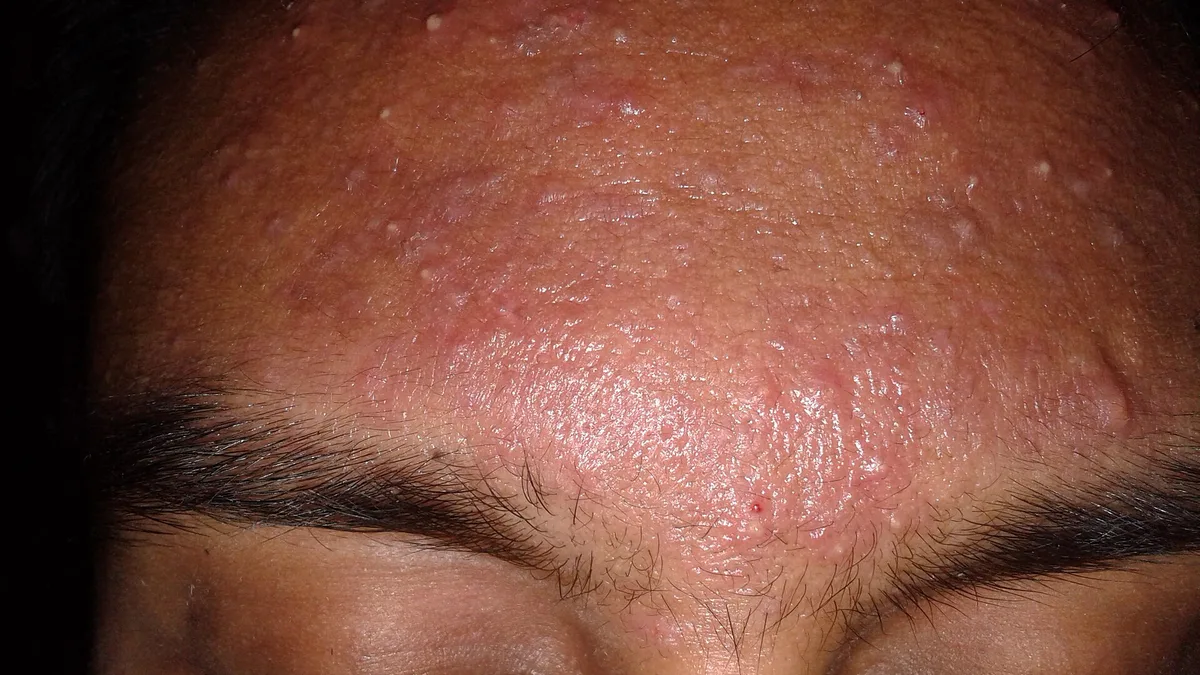
Acne Vulgaris
| Active ingredient | Benzoyl peroxide, Salicylic acid, Retinoids, Azelaic acid |
|---|---|
| Original use | Treatment of inflammatory and non-inflammatory acne lesions |
| First created | 1950s (Benzoyl peroxide), 1970s (Topical retinoids) |
| Mechanism of action | Reduces *Cutibacterium acnes*, decreases inflammation, promotes skin cell turnover |
| Application form | Topical gel, cream, lotion, or wash; oral medication for severe cases |
| Typical treatment duration | Weeks to months for initial improvement; often requires ongoing management |
| Common side effects | Skin dryness, redness, peeling, irritation, photosensitivity |
Origin and history
Acne Vulgaris is not a product or ingredient but a common dermatological condition, and its documentation spans millennia. The term itself originates from Latin, with 'acne' likely derived from a Greek word for a skin eruption and 'vulgaris' meaning common. Ancient medical texts from Egypt, dating back to the Ebers Papyrus around the 16th century BCE, describe conditions resembling acne. Greco-Roman physicians like Aretaeus of Cappadocia in the first century CE provided clinical descriptions of facial pustules. Throughout history, various cultures attributed the condition to imbalances in bodily humors or dietary excesses. Its systematic medical study as a distinct disorder began in earnest during the 19th century with the advent of modern dermatology.
What it is designed for
Acne Vulgaris is a chronic inflammatory disease of the pilosebaceous unit, which consists of the hair follicle and its associated sebaceous gland. It is designed to detail a condition characterized by the formation of comedones, papules, pustules, nodules, and/or cysts. The primary pathophysiological factors targeted by treatments include follicular hyperkeratinization, increased sebum production driven by androgens, colonization by the bacterium *Cutibacterium acnes*, and resultant inflammation. Its classification provides a framework for diagnosing and managing a spectrum of lesion types and severities. The condition most commonly affects areas of skin with a high density of sebaceous glands, namely the face, chest, and back. The diagnostic criteria are used to differentiate it from other acneiform eruptions like rosacea or drug-induced acne.
Development and versions
The understanding and classification of Acne Vulgaris have evolved significantly over time, though it is not a product with versions. Early descriptions focused purely on morphological appearance, such as distinguishing between blackheads and whiteheads. The 20th century saw major developments with the discovery of the role of bacteria and hormones in its pathogenesis. Grading systems were developed to standardize assessment, ranging from simple scales (mild, moderate, severe) to more detailed lesion-counting methods like the Leeds technique. The Global Acne Grading System represents a more recent, widely adopted framework for evaluating severity. Ongoing research continues to refine subtyping, such as focusing on inflammatory versus comedonal presentations or adult-onset versus adolescent acne, to guide more targeted therapies.
Pros and cons
A primary pro of the Acne Vulgaris framework is that it provides a universally recognized language for diagnosis, enabling clear communication between clinicians and researchers. This standardization allows for the structured testing and comparison of therapeutic interventions across studies. A significant con is that the condition's multifactorial nature means a single, universally effective treatment does not exist, often leading to a trial-and-error approach for patients. Many individuals regret choosing overly aggressive topical treatments without medical guidance, which can compromise the skin barrier and worsen irritation. A common mistake is the premature discontinuation of prescribed treatments, such as topical retinoids or antibiotics, before their typically slow onset of action can yield visible results. Furthermore, the psychological and social burden associated with the condition is frequently underestimated in management plans, leading to poor adherence and significant distress.
Who it suits
The Acne Vulgaris classification suits adolescents and young adults most frequently, as it peaks in prevalence during puberty due to hormonal shifts. It also suits a significant number of adults, particularly women, who may experience persistent or late-onset acne related to hormonal fluctuations. The condition suits individuals with genetically predisposed sebaceous glands that are hypersensitive to normal circulating levels of androgens. It suits those whose skin care habits or product choices, such as using comedogenic occlusive agents, may exacerbate follicular blockage. The diagnostic criteria suit dermatologists and general practitioners needing a clear system to assess severity and monitor treatment progression. Finally, it suits researchers investigating the pathophysiology of skin disease and developing new pharmacological agents targeting specific pathways in the acne cascade.
Latest Acne Vulgaris news
Latest reporting
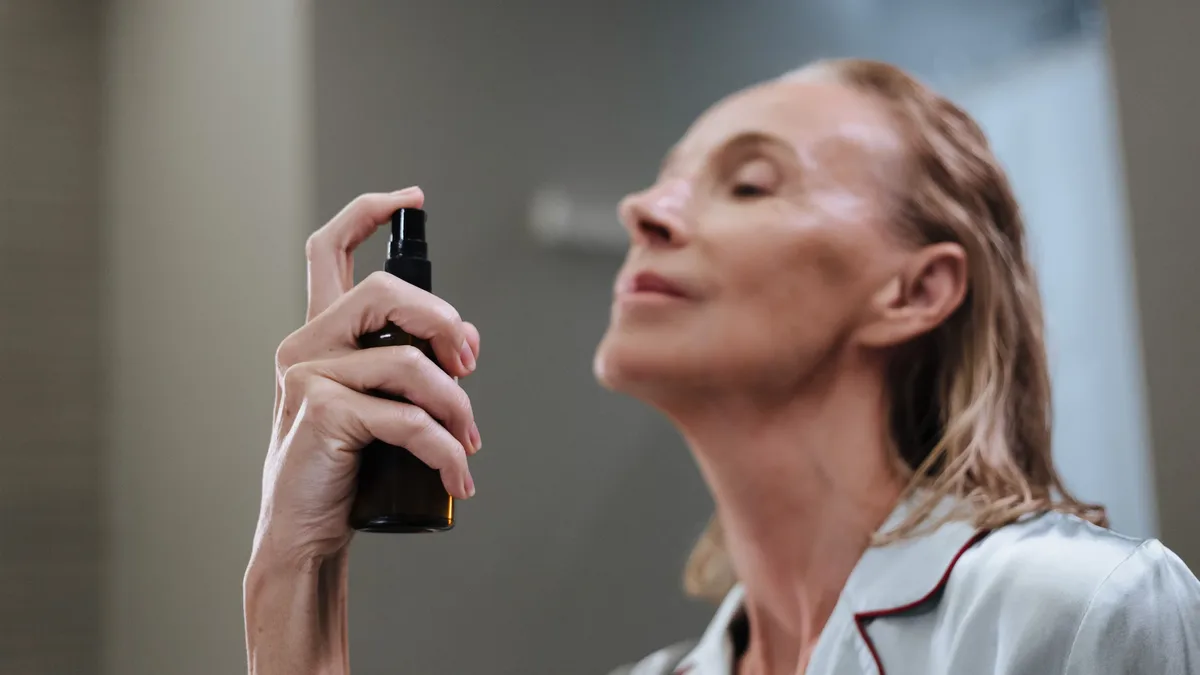
Hypochlorous Acid Sprays Treat Acne and Rosacea
Dermatologists recommend hypochlorous acid facial sprays for their antimicrobial and anti-inflammatory benefits, particularly for acne-prone and...

Maca Root and Acne: Science Debunks Hormone Spike Theory
A new report examines whether maca root causes acne, finding no direct evidence linking the supplement to hormonal spikes that trigger breakouts...
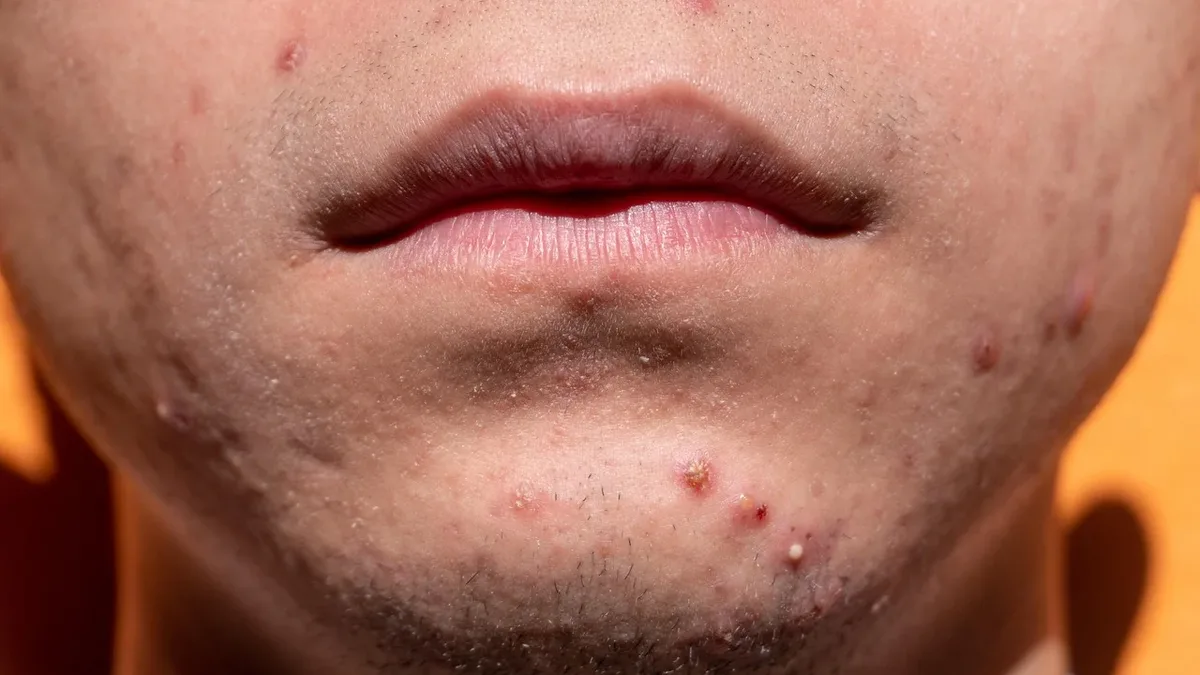
Pimple patches shift teen acne attitudes
A new photo series explores how pimple patches are changing teenagers' relationship with acne, moving from stigma to a form of self-expression.
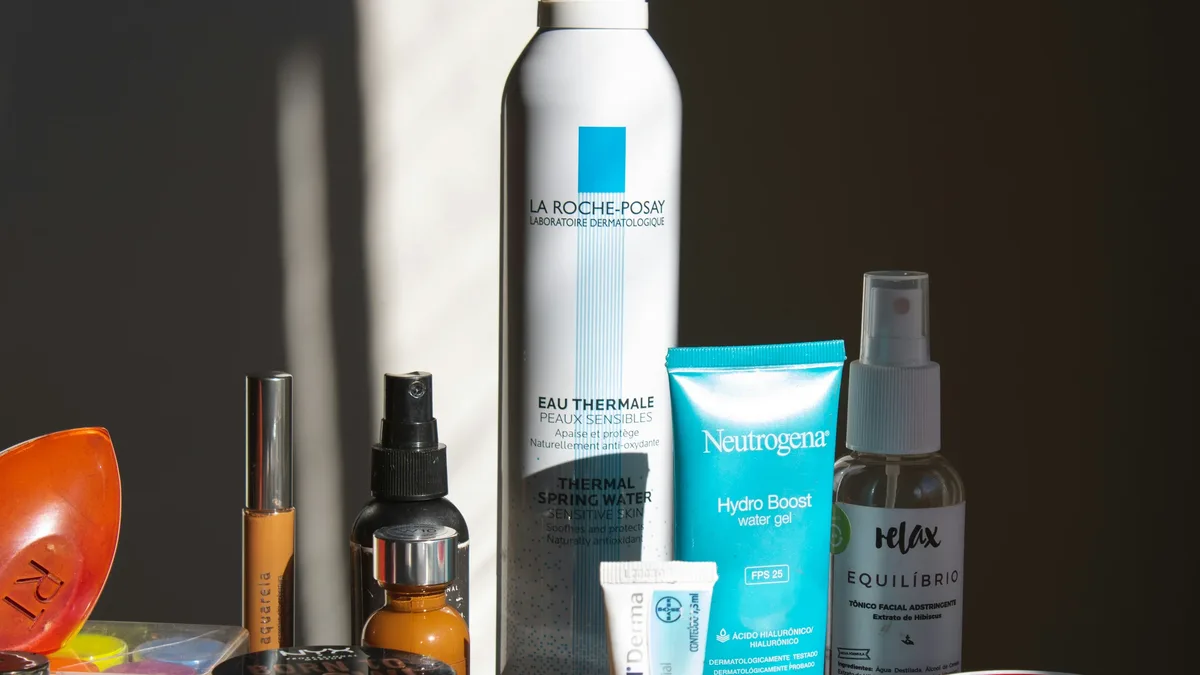
Editor's Skincare for Oily, Acne-Prone Skin
A magazine editor nearing 40 shares her consistent routine and 14 favorite products, from a $9 micellar water to a $400 microcurrent device, for...
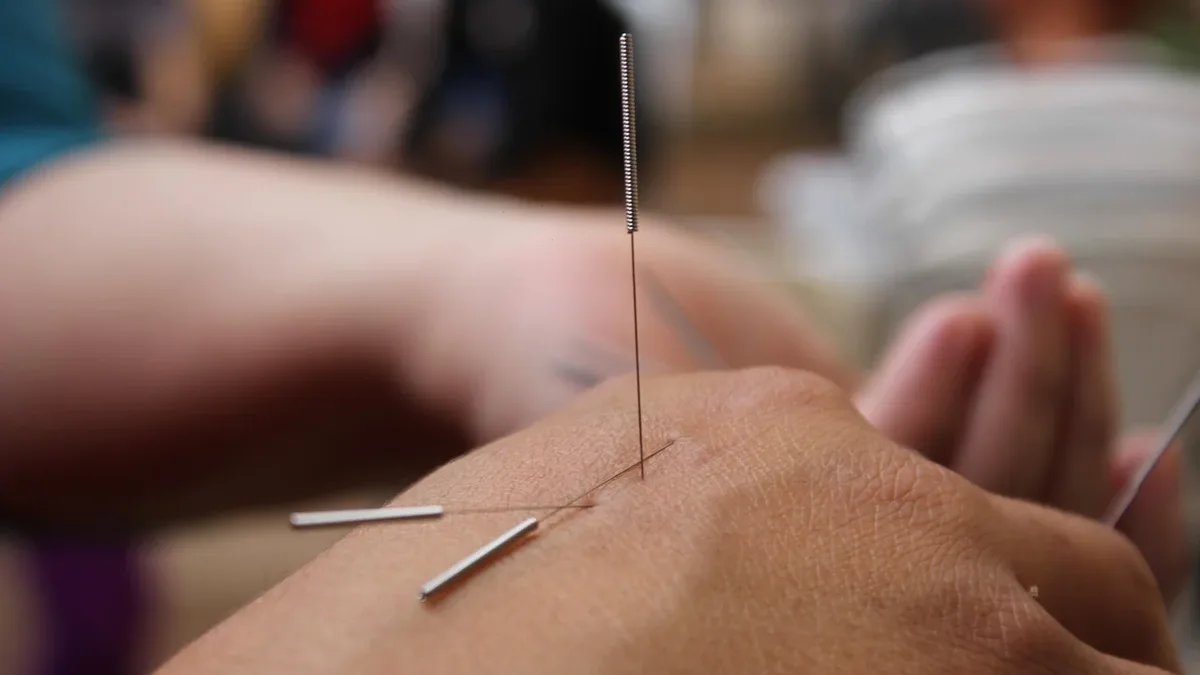
Microneedling for Hyperpigmentation: What
Microneedling can help fade certain types of hyperpigmentation, particularly melasma and marks from acne, but evidence for sun spots is weak.
Medicube Kojic Acid Turmeric Vita Capsule Cream Review: Is It Worth the Hype?
The Medicube Kojic Acid Turmeric Vita Capsule Cream is a skincare product that claims to help with dark spots, uneven skin tone, and post-acne marks...