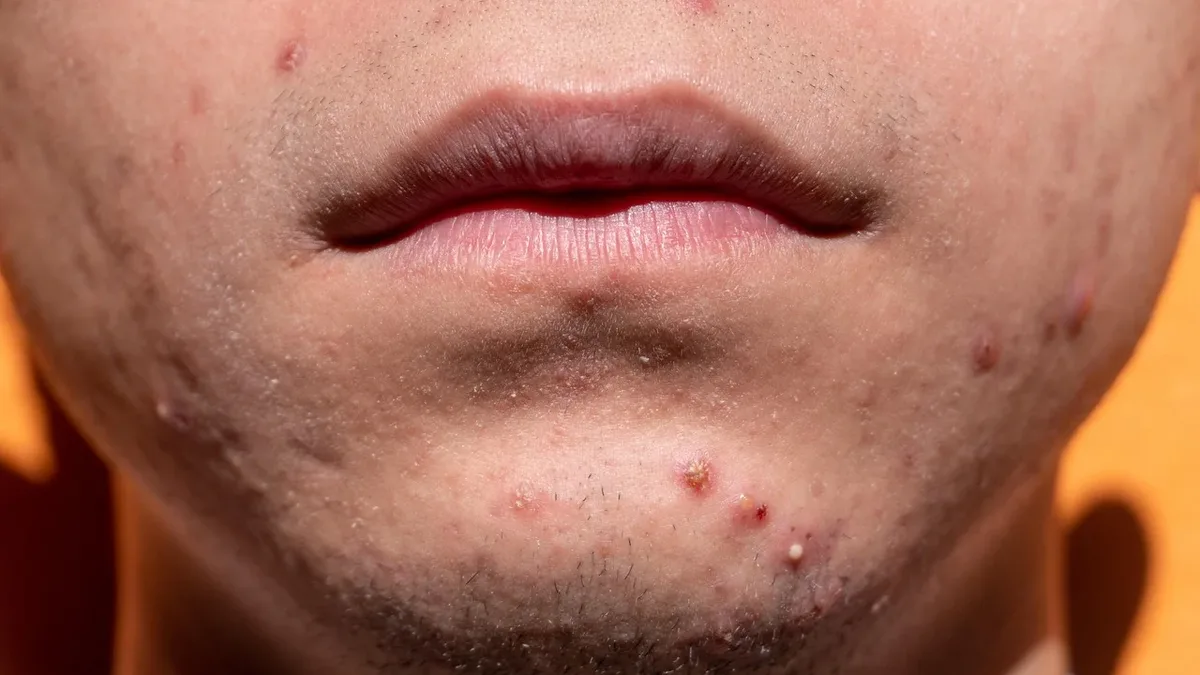
Hypochlorous Acid Sprays Treat Acne and Rosacea
Dermatologists recommend hypochlorous acid facial sprays for their antimicrobial and anti-inflammatory benefits, particularly for acne-prone and sensitive
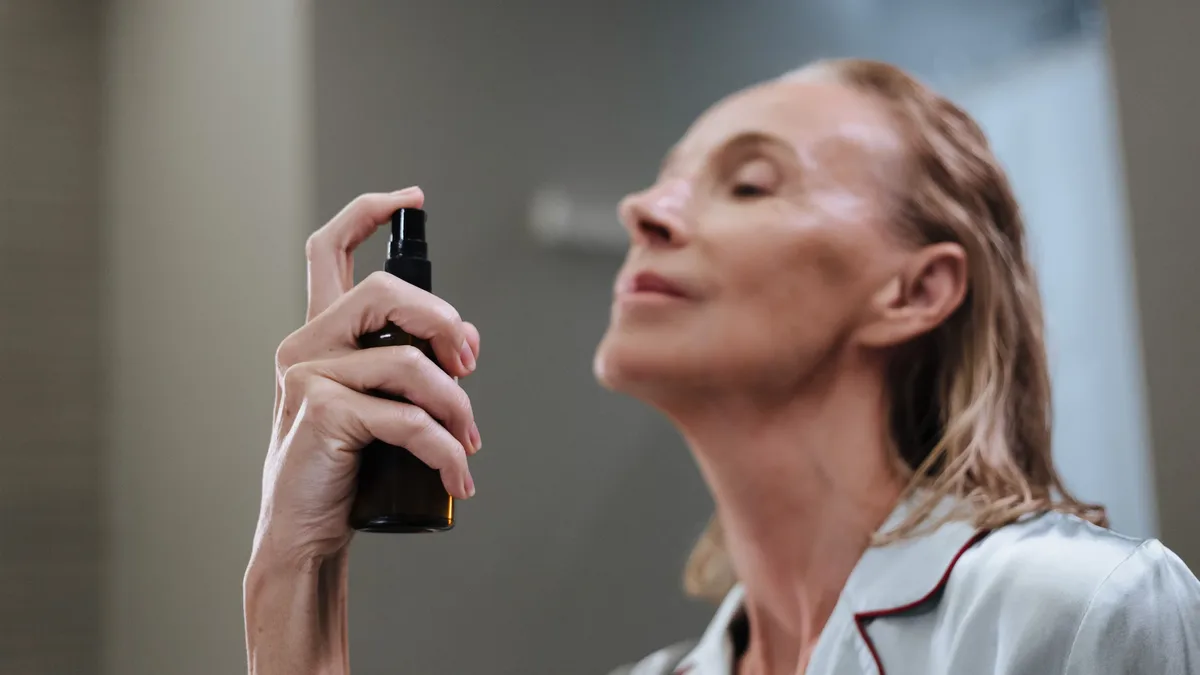
Hypochlorous acid is a skincare ingredient dermatologists recommend for nearly all skin types. Its primary benefits are reducing bacteria and calming inflammation, making it useful for acne, rosacea, and sensitive skin.
Hypochlorous acid is a molecule naturally produced by the human immune system. "Our immune system produces it to help defend against unwanted microbes," explains Dr. Sejal Shah, a board-certified dermatologist. Chemists have stabilized it for use in skincare. Dr. Mona Gohara, another board-certified dermatologist, notes these facial sprays contain very dilute, stabilized formulas to reduce bacteria and calm inflammation.
The chemical formula for hypochlorous acid is HOCl. It operates within a pH range of 3 to 6 but is unstable, degrading within days to weeks. Originally used as a disinfectant and for wound irrigation, its mechanism of action involves the oxidative disruption of microbial cell components.
Skin Benefits and Uses
"Think of it as part of your skin’s clean-up crew," says Dr. Gohara. The ingredient helps reduce bacteria, calm visible redness, and support the skin's natural healing without stripping it. Dr. Shah adds its history in wound care lends it credibility. Its anti-inflammatory properties can temporarily reduce redness and irritation, helping to calm conditions like eczema, rosacea, or psoriasis flares.
For acne, common active ingredient classes include retinoids, benzoyl peroxide, salicylic acid, and azelaic acid. These are typically applied once daily to several times weekly in formulations like creams, gels, or cleansers, working through exfoliation, anti-inflammatory, antimicrobial, or comedolytic actions. Hypochlorous acid offers an additional supportive option.
How to Apply the Sprays
Application is simple: spritz on the skin. Dr. Gohara warns that light and air can make the ingredient less effective, so packaging should be kept closed and away from direct sunlight. A common use is immediately after sweating or exercising when washing isn't possible. "It can help cleanse the skin and reduce microbes, making it particularly helpful for areas prone to acne or folliculitis, like the chest, back, or hairline," Dr. Shah says. However, it should not replace dedicated acne treatments.
The spray also works for stressed skin. Dr. Gohara describes it as a reset button, recommending application on clean skin, letting it dry completely before adding other products. The report from Oprah Daily concludes by highlighting the ingredient's ease of use, versatility, affordability, and scientific backing.