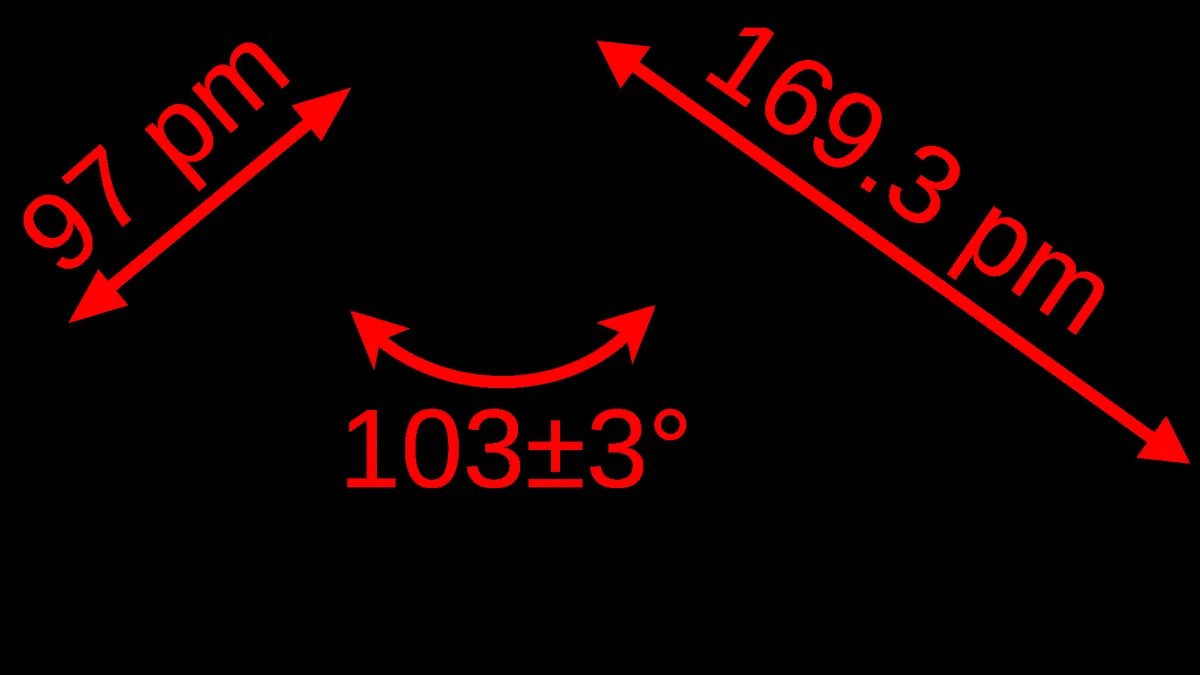
Hypochlorous Acid
| Chemical formula | HOCl |
|---|---|
| pH range | 3–6 |
| Stability | Unstable, degrades within days to weeks |
| Original use | Disinfectant and wound irrigation |
| Mechanism of action | Oxidative disruption of microbial cell components |
| Skin concerns treated | Acne, wound healing, eczema, dermatitis |
| Application form | Topical solution (spray, gel, or liquid) |
Origin and history
Hypochlorous acid (HOCl) is a naturally occurring substance produced by the human body's white blood cells as part of the innate immune response. Its biological role in combating pathogens has been recognized by scientists since the late 19th century. The compound itself was first identified and named in the 1830s by the French chemist Antoine Jérôme Balard. While its existence is natural, its development for topical clinical use is a more modern advancement. Significant research into its stability and efficacy for wound care accelerated in the late 20th century, particularly in the 1980s and 1990s. The foundational scientific understanding originates from European chemistry and immunology, but its applied medical development is a global effort.
What it is designed for
Hypochlorous acid is primarily designed as a broad-spectrum antimicrobial agent to reduce microbial load on skin and wound surfaces. Its core clinical purpose is to cleanse and support the healing of acute and chronic wounds, such as surgical incisions, ulcers, and burns, by targeting bacteria, viruses, and fungi. In dermatology, it is formulated for topical use to manage inflammatory skin conditions where microbial imbalance or irritation is a factor. It is specifically utilized to soothe and reduce redness and itching associated with conditions like eczema, dermatitis, and rosacea. The solution is engineered to deliver potent antimicrobial activity while being exceptionally gentle on fragile skin tissue. Its design prioritizes non-cytotoxic cleansing, meaning it aims to kill pathogens without significantly harming the surrounding healthy skin cells needed for repair.
Development and versions
Early versions of hypochlorous acid for medical use were unstable, decomposing quickly into salt water and losing efficacy, which limited their practical application. Technological development focused on electrochemical generation methods, which pass a mild electrical current through a solution of salt and water to produce a stable, pure form of HOCl. This process, refined over recent decades, allows for the creation of solutions with consistent pH and concentration, critical for predictable antimicrobial performance. Contemporary versions are primarily available as preserved, stabilized topical sprays, gels, and wound irrigation solutions with varying concentrations, typically ranging from 0.01% to 0.05% for over-the-counter skin care. Some advanced systems generate HOCl on-site in clinical settings for immediate use, maximizing potency. The development trajectory has moved from unstable laboratory curiosities and harsh chemical cousins like bleach to shelf-stable, biocompatible products suitable for daily patient use.
Hypochlorous Acid guide
For treating inflammatory skin concerns like eczema or rosacea, select a product formulated specifically for topical dermatological use, not a general-purpose disinfectant. Apply the hypochlorous acid spray or mist to clean, dry skin, holding the container several inches away to ensure an even, light coating. It can be used on affected areas multiple times per day, particularly during flares of itching or redness, as directed by a physician or product labeling. For post-procedure care, such as after laser treatments or microneedling, gently mist the area to soothe and protect the compromised skin barrier. The solution should feel like water and dry quickly without any sticky residue, requiring no rinsing. Always allow the product to air dry completely before applying any subsequent moisturizers or medicated creams to avoid diluting its effect.
Overview
Hypochlorous acid is a mild, non-irritating topical solution that harnesses the body's own immune chemistry to address skin inflammation and microbial imbalance. It functions as an oxidant, disrupting the cell walls and internal functions of microorganisms upon contact, leading to their rapid destruction. Unlike harsh antiseptics such as alcohol or hydrogen peroxide, it performs this antimicrobial action without causing significant stinging or damage to epithelial cells. Its utility spans clinical wound management, post-procedural skin recovery, and daily management of chronic inflammatory dermatoses. The compound is generally recognized as safe and is well-tolerated even on sensitive skin, infant skin, and fragile wound beds. Its overview positions it as a bridge between aggressive antiseptic care and gentle, ineffective cleansers, offering a clinically proven middle ground.
What to know
Hypochlorous acid is not a moisturizer and does not replace emollients or barrier repair creams; it is an antimicrobial and anti-inflammatory treatment step. Its efficacy is concentration-dependent, and over-the-counter skincare products contain far lower concentrations than those used for hospital-grade wound irrigation. The solution has a limited shelf life once opened, typically expiring within several months, as it can gradually lose potency and revert to saline when exposed to light and air. It is important to store the product in a cool, dark place and to check expiration dates to ensure activity. While extremely safe, it can cause irritation in a very small subset of individuals, often due to other ingredients in the formulation like preservatives, not the HOCl itself. It does not contribute to antibiotic resistance, as its mechanism of physical oxidation is not a pathway microbes can easily develop defenses against.
Common questions
A common question is whether hypochlorous acid is the same as bleach, to which the answer is no; household bleach is sodium hypochlorite, a much harsher, alkaline compound, while HOCl is a mild, weak acid. People often ask if it can be used on open wounds, and for minor cuts and abrasions, dermatological-grade sprays are generally considered safe and beneficial, but deep or serious wounds require professional medical advice. Many wonder about using it on acne, and while it can help reduce surface bacteria and inflammation, it is not a primary treatment for comedonal acne and works best for red, inflamed papules. Users frequently inquire about combining it with other actives, and it is typically compatible with most skincare ingredients but should be applied first on clean skin and allowed to dry. A recurring question concerns its use around the eyes, and most formulations are safe for use on eyelids to manage conditions like blepharitis, but direct contact with the eyeball should be avoided. Individuals often ask about frequency of use, and for chronic conditions, daily or twice-daily application is common, while for acute situations, it may be used more frequently as a soothing agent.
Pros and cons
A significant pro is its exceptional gentleness combined with broad-spectrum efficacy, making it suitable for skin types that cannot tolerate traditional antiseptics. It provides immediate soothing and reduction of itch for inflammatory conditions without corticosteroids. A major con is its instability; if not formulated and packaged correctly, it degrades into ineffective salt water, wasting money and providing no therapeutic benefit. Users often regret choosing it when they expect it to be a moisturizing cure-all for dry skin, as it can feel drying if not followed with an appropriate emollient. The common mistake is using an expired product or one stored in a hot, sunny bathroom, leading to disappointment when inflammation does not improve. Another drawback is that for severe, deep-tissue infections or aggressive inflammatory diseases, it is only an adjunctive therapy and cannot replace prescription antibiotics or stronger immunosuppressive treatments.
Who it suits
Hypochlorous acid suits individuals with sensitive, reactive skin conditions like eczema, rosacea, and contact dermatitis who need an antimicrobial that won't trigger further irritation. It is ideal for patients recovering from cosmetic procedures, such as laser resurfacing or tattoo sessions, where gentle cleansing and anti-inflammatory support are paramount. It suits healthcare workers and others who need frequent hand sanitizing but suffer from the drying and damaging effects of alcohol-based gels. Parents managing diaper rash or minor childhood skin irritations find it useful due to its safety profile on infant skin. Athletes or individuals prone to folliculitis or chafing can use it as a post-exercise cleanse to reduce bacterial load on sweat-prone skin. It is also well-suited for elderly patients with fragile skin and chronic wound management needs, where harsh chemicals are contraindicated.
Latest Hypochlorous Acid news
Latest reporting
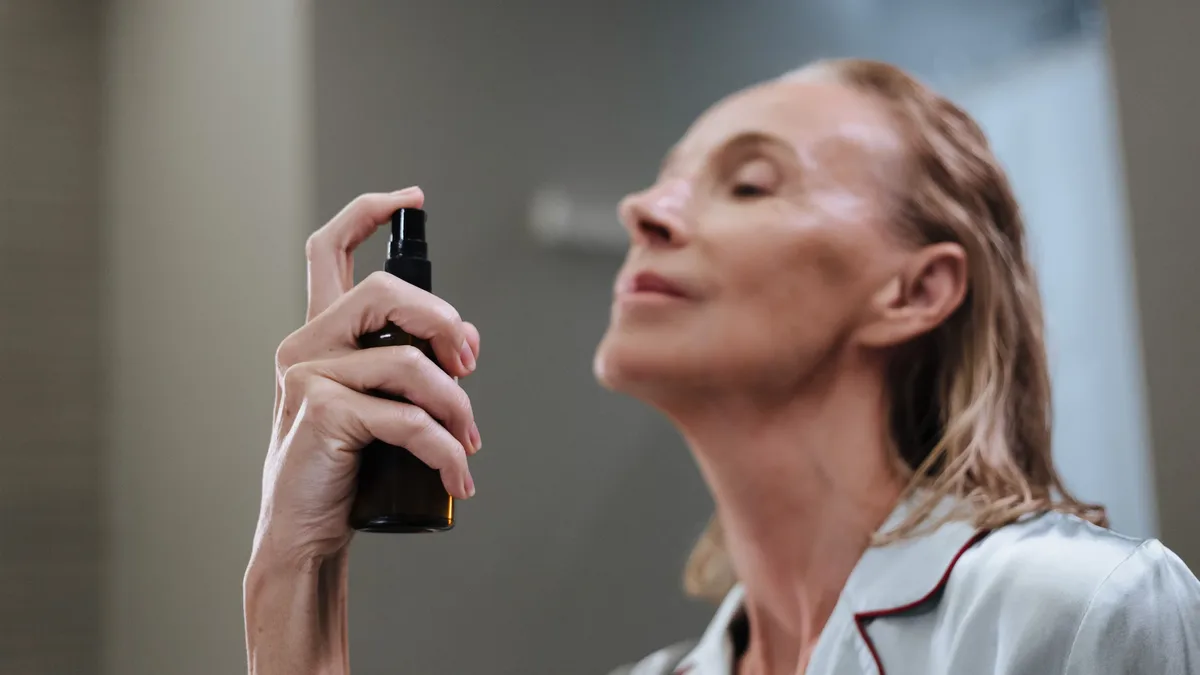
Hypochlorous Acid Sprays Treat Acne and Rosacea
Dermatologists recommend hypochlorous acid facial sprays for their antimicrobial and anti-inflammatory benefits, particularly for acne-prone and...
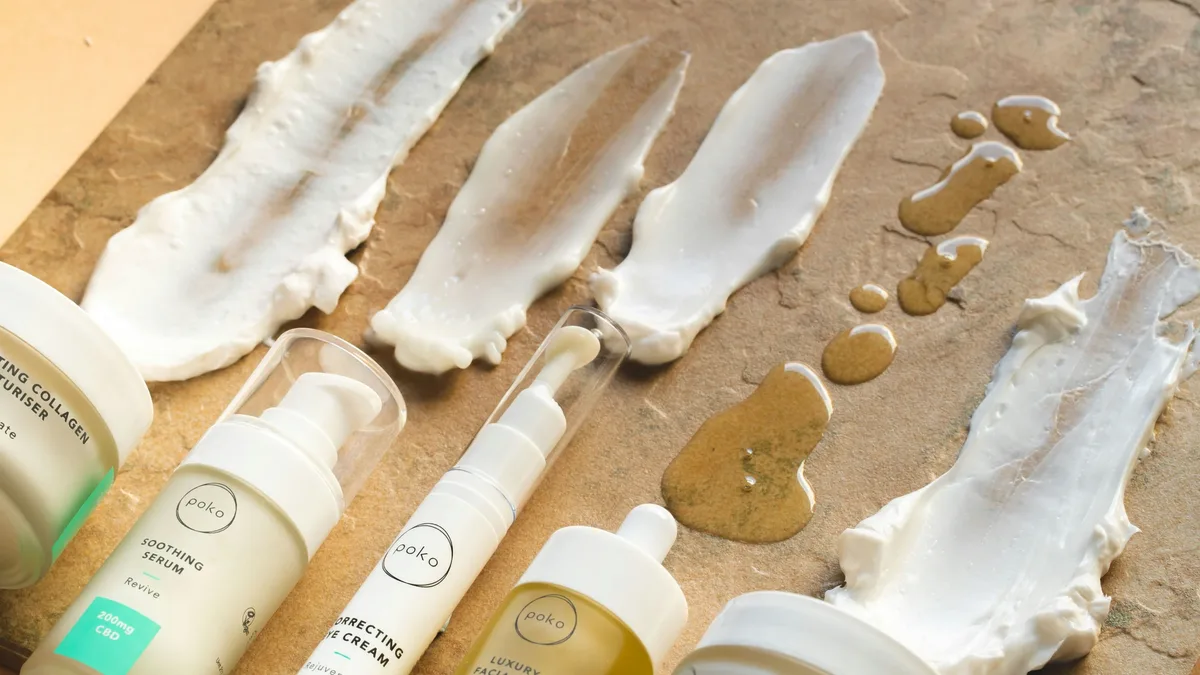
Dermatologists Advise Autumn Skincare Reset for Dry Skin
Experts recommend adjusting cleansers and moisturisers as colder weather arrives, highlighting key hydrating ingredients like ceramides and...

Acure Glycolic Acid Cleanser Review: Minimal Exfoliation
A review of ACURE's Resurfacing Glycolic & Unicorn Root Cleanser finds its 1% glycolic acid concentration is too low and its rinse-off format prevents
Medicube Kojic Acid Turmeric Vita Capsule Cream Review: Is It Worth the Hype?
The Medicube Kojic Acid Turmeric Vita Capsule Cream is a skincare product that claims to help with dark spots, uneven skin tone, and post-acne marks...