MAC Revives Frost Lipsticks Amid Y2K Nostalgia Wave
MAC Cosmetics reintroduces its Frost lipstick line as part of a broader Y2K beauty revival, while dermatological guidance clarifies that azelaic acid is the safest chemical exfoliant for managing rosacea.
MAC Cosmetics has brought back its Frost lipstick formula, tapping into a cultural wave of Y2K nostalgia within the beauty industry. Separately, skincare experts have identified azelaic acid as the most effective and safest chemical exfoliant for individuals with rosacea, particularly when the condition is under control.
Y2K Beauty Revival
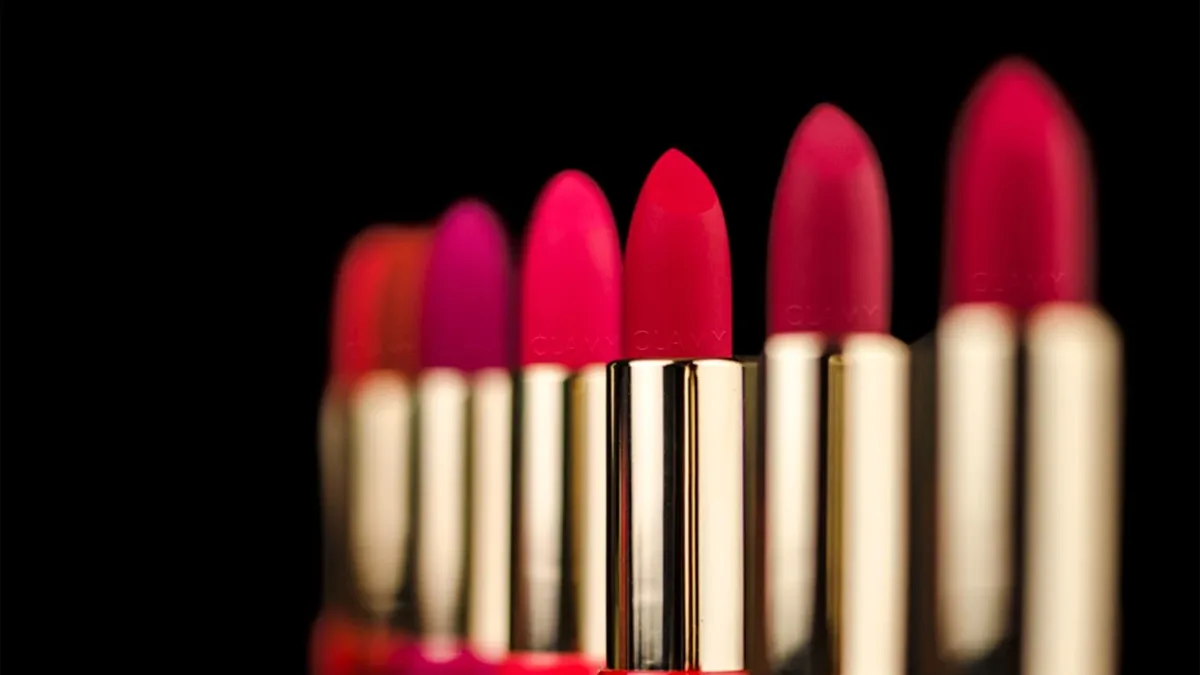
MAC Cosmetics reintroduced its Frost lipstick formula on Thursday, reviving classic shades like Spanish Fly, a medium brown with frosty blue glitter. The campaign features beauty creator Erin Parsons, and the launch is framed by the brand as a reflection of a current cultural shift toward the experimental and expressive aesthetics of the early 2000s. Teny Kureghian, global head of product development at MAC, stated that the Y2K period was a very creative time and that a similar sense of futurism is emerging again.
The trend extends beyond lipstick, with Chinese brand Little Ondine launching a Tamagotchi collaboration and various brands leveraging nostalgia through campaigns with early-2000s celebrities. However, this revival coincides with a critical reevaluation of the era's beauty standards, highlighted by popular documentaries examining shows like 'America's Next Top Model' and 'The Swan'. Makeup artist Pati Dubroff, who went viral for a 2024 tutorial recreating a look she did for the Olsen twins, noted the concurrent return of ultra-thin body ideals alongside frosty lipsticks. Trend forecaster Lisa Payne suggested brands are capitalizing on a romanticized view of the past, while also acknowledging that the extreme standards of that time never truly disappeared but are now less openly endorsed.
Safe Exfoliation for Rosacea
For individuals with rosacea, azelaic acid is the recommended chemical exfoliant, but only when the inflammatory skin condition is not experiencing an active flare-up. During a flare-up, any exfoliation should be avoided entirely to prevent increased stinging, burning, and redness. Azelaic acid works by reducing inflammation, smoothing rough skin, and helping to eliminate the red bumps associated with rosacea.
The ingredient is considered superior for this skin concern because it exfoliates less aggressively than alternatives like glycolic acid. Rosacea weakens the skin's barrier, making it overly reactive to potential irritants. Therefore, a gentle approach is critical. While azelaic acid can cause initial stinging, its efficacy for rosacea is supported by clinical research. The guidance is clear: exfoliation is not a mandatory step, and for those with controlled rosacea and persistent texture issues, azelaic acid presents the safest option.