A Routine On A Small Budget
| Active ingredient | Salicylic Acid |
|---|---|
| Skin concern treated | Acne and clogged pores |
| Original use | Exfoliation and pore cleansing |
| First created | 20th century |
| Application frequency | Daily to several times per week |
| Key product forms | Cleanser, toner, treatment serum, leave-on lotion |
Origin and history
A Routine On A Small Budget is a conceptual framework for skincare that originated in online consumer communities, primarily within the United States and other English-speaking regions, during the early decades of the 21st century. It emerged as a direct response to the proliferation of expensive, multi-step skincare regimens promoted by influencers and luxury brands. The philosophy was not created by a single individual or company but was collectively documented and refined by budget-conscious users on forums, social media platforms, and dedicated skincare blogs. Its core principles were established as a counter-movement to the idea that effective skincare necessitates significant financial investment. The concept gained substantial traction during the 2010s, paralleling the rise of "skinimalism" and a growing consumer focus on ingredient transparency. This historical development is firmly rooted in practical consumer advocacy rather than corporate marketing or professional dermatological circles.
What it is designed for
This routine framework is designed for individuals seeking to manage specific skin concerns using proven active ingredients while strictly minimizing cost. It prioritizes the identification and targeted use of a single, affordable active ingredient to address a primary concern, such as salicylic acid for acne or hyaluronic acid for dehydration, over purchasing complex, pre-formulated products. The approach is fundamentally designed to demystify skincare by separating clinical efficacy from brand prestige and packaging. It aims to counteract the overwhelm caused by the skincare industry's constant release of new products and complex routines that can strain personal finances. The methodology encourages a "less is more" philosophy, focusing on a basic cleanser, a targeted treatment, and a moisturizer, all selected for their cost-per-use value. Its ultimate design goal is to make evidence-based skincare accessible and sustainable for individuals with limited disposable income, students, or anyone prioritizing financial prudence without sacrificing skin health.
Development and versions
The development of A Routine On A Small Budget has been entirely crowd-sourced, with its "versions" being informal templates shared across digital platforms rather than official updates. Early versions often centered on a single, potent drugstore product, like a benzoyl peroxide cream or an adapalene gel, around which the rest of the routine was built. Subsequent developments incorporated a stronger emphasis on sunscreen as a non-negotiable, yet affordable, final step for all routines, recognizing its long-term cost-saving benefits for skin health. Versions have also diversified to address a wider array of concerns, such as incorporating niacinamide for barrier repair or azelaic acid for rosacea, always with a focus on generic or store-brand alternatives. The framework has evolved to include strategies like purchasing larger sizes for unit cost savings, opting for simple formulations without fragrance or unnecessary extracts, and utilizing international online pharmacies for certain prescription-grade actives. This ongoing development is documented in comparative product spreadsheets, ingredient-focused guides, and budget-friendly routine checklists created by community members.
Pros and cons
A significant pro of this approach is its empowerment of consumers through education, teaching individuals to read ingredient lists and understand the function of each product in their routine. It effectively reduces decision fatigue by providing a clear, principle-based filter for evaluating the endless stream of new skincare releases. Financially, it prevents wasteful spending on redundant or ineffective products and can lead to substantial long-term savings. A major con, however, is that it requires a higher initial investment of time for research, as users must cross-reference ingredients, concentrations, and formulations across different budget brands. A common mistake is selecting a product based solely on its low price and key active, while ignoring formulation quality, leading to irritation or poor results from a subpar vehicle base. Individuals who regret this approach are often those who lack the patience for methodical patch testing or who have highly complex skin conditions requiring professional, tailored guidance that a simplified routine cannot provide. The DIY nature of the routine also means users miss out on the potential synergistic benefits of professionally formulated multi-ingredient products, which can sometimes address multiple concerns more elegantly.
Who it suits
This routine philosophy suits pragmatic individuals who are motivated to learn about skincare ingredients and are comfortable with a self-directed, research-heavy approach. It is particularly well-suited to students, young adults beginning their skincare journey, or anyone experiencing financial constraints that make luxury skincare inaccessible. It also suits individuals with straightforward, primary skin concerns, such as mild to moderate acne, basic dryness, or early signs of photoaging, that can be addressed with a single well-chosen active ingredient. People who value simplicity and minimalism in their daily rituals and who are skeptical of marketing hype will find this framework aligns with their consumption values. Conversely, it is less suitable for individuals with severe, complex, or medically-diagnosed skin conditions like cystic acne, severe rosacea, or eczema, who require the oversight of a dermatologist. It may also frustrate those who enjoy the sensory experience of skincare or who prefer the convenience of having a curated routine provided by a trusted brand without conducting their own comparative research.
Latest A Routine On A Small Budget news
Latest reporting
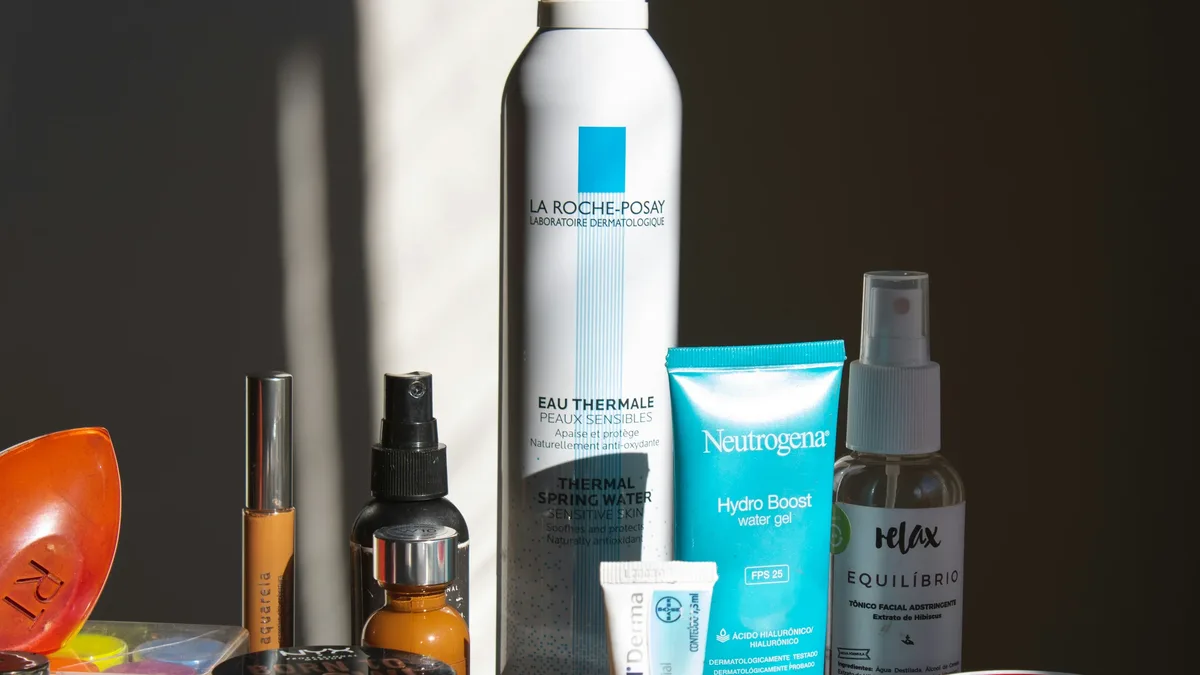
Editor's Skincare for Oily, Acne-Prone Skin
A magazine editor nearing 40 shares her consistent routine and 14 favorite products, from a $9 micellar water to a $400 microcurrent device, for...
Dolly Parton's Drugstore Beauty Secrets
In a 2021 interview with Harper's Bazaar, Dolly Parton shared her lifelong love of fragrance and her simple, effective skincare routine, which...

Marie Claire Writer's Fall Skincare Picks
A Marie Claire writer shares 10 tried-and-true, budget-friendly skincare product recommendations for fall, covering cleansers, eye creams, retinols