Cleansers
| Active ingredient | Salicylic acid |
|---|---|
| Skin concern treated | Acne and clogged pores |
Origin and history
The use of dedicated cleansing agents for skin dates back to ancient civilizations, with early forms documented in regions like Mesopotamia and the Indus Valley. Soap-making, a key precursor to modern cleansers, was practiced in ancient Babylon around 2800 BCE using ashes and fats. In the first millennium CE, solid soap made from olive oil and alkali became established in the Mediterranean region, notably in Syria and later in Europe. The modern concept of a facial cleanser, distinct from general soap, emerged as a commercial product in the early 20th century alongside the growth of the cosmetics industry. The development of synthetic detergents in the mid-20th century allowed for the creation of cleansers with a pH more compatible with skin than traditional alkaline soap. This innovation paved the way for the diverse range of liquid, cream, and gel cleansers available today.
What it is designed for
Cleansers are designed to remove surface impurities, including sebum, sweat, environmental pollutants, makeup, and dead skin cells, from the skin's surface without compromising the skin barrier. Their primary function is to prepare the skin for subsequent treatment products by ensuring a clean canvas, which can enhance the absorption and efficacy of serums and moisturizers. Different formulations target specific skin concerns; for example, cleansers with salicylic acid are designed for oily and acne-prone skin to exfoliate inside pores and reduce breakouts. Cleansers containing ceramides or fatty acids are engineered for dry or sensitive skin to cleanse while replenishing lipids and minimizing barrier disruption. Those with glycolic acid or other alpha-hydroxy acids are intended for dull or uneven skin texture to provide superficial exfoliation and promote cell turnover. The product category is fundamentally designed for hygiene and skin health maintenance, serving as the essential first step in most skincare routines.
Development and versions
Development has progressed from simple soap-based bars to highly specialized formulations catering to diverse skin types and concerns. Early versions were primarily alkaline bar soaps, which often stripped skin of natural oils and disrupted the acid mantle. The introduction of syndet bars (synthetic detergent bars) in the latter half of the 20th century marked a significant advancement, offering a milder, pH-balanced alternative. Modern versions now include oil-based cleansers that dissolve makeup and sunscreen via the "like dissolves like" principle, often used as a first step in double cleansing. Gel cleansers, typically formulated with surfactants like sodium lauryl sulfoacetate or cocamidopropyl betaine, provide a deeper cleanse suited to oily skin. Cream or lotion cleansers, often surfactant-free or using very mild surfactants, are versions designed for dry and sensitive skin as they deposit emollients during the cleansing process. Micellar water, developed in France in the 1990s, represents a version using micelle technology to lift dirt without rinsing, originally for harsh local water. Powder cleansers, which activate upon mixing with water, offer a physical exfoliating version and are among the oldest formats, revived with modern enzyme ingredients.
Pros and cons
A primary pro is the ability to effectively remove impurities, which is foundational for preventing pore congestion and maintaining skin health. A significant con is that many cleansers, especially those with harsh surfactants like sodium lauryl sulfate, can over-strip lipids, leading to dryness, irritation, and a compromised skin barrier. The pro of having specialized formulations for different concerns is offset by the con that choosing the wrong type for one's skin can exacerbate issues, such as using a drying acne cleanser on already dehydrated skin. A common mistake is over-cleansing, which can trigger a rebound increase in sebum production for oily skin types or lead to sensitivity in dry types. Many users regret choosing heavily fragranced or exfoliating cleansers when they have sensitive or reactive skin, as these can cause immediate stinging or longer-term inflammation. The pro of convenience and daily use also presents a con if the product leaves a residue or film, which can interfere with subsequent products and potentially cause milia or clogged pores.
Who it suits
Gel or foaming cleansers with ingredients like salicylic acid or zinc typically suit individuals with oily, acne-prone skin who require thorough sebum removal. Cream, lotion, or milky cleansers containing hydrating ingredients like glycerin or ceramides are best suited for those with dry, dehydrated, or mature skin needing gentle cleansing without stripping. Micellar waters and gentle non-foaming cleansers suit individuals with sensitive or reactive skin, as well as those in environments with hard water that can interact with traditional surfactants. Balm or oil cleansers are well-suited for removing heavy makeup and sunscreen, and are often recommended for normal to dry skin types as part of a double-cleansing method. Medicated cleansers with benzoyl peroxide or sulfur are suited for those with active inflammatory acne, though they must be used cautiously to avoid excessive dryness. Powder or enzyme-based cleansers suit those seeking mild physical or chemical exfoliation and are often appropriate for normal to combination skin types when used intermittently.
Latest Cleansers news
Latest reporting
Allure's 2026 Best of Beauty Skin Care Winners Announced
Allure has revealed its 42 Best of Beauty award winners for skin care in 2026, highlighting top cleansers, scrubs, and essences based on rigorous...
PEOPLE's 2026 Beauty Awards Highlight Top Skincare Launches
PEOPLE's 12th annual Beauty Awards has named the best skincare launches of 2026, featuring 31 products from cleansers to serums and devices that...
Dermatologists Advise Autumn Skincare Reset for Dry Skin
Experts recommend adjusting cleansers and moisturisers as colder weather arrives, highlighting key hydrating ingredients like ceramides and...
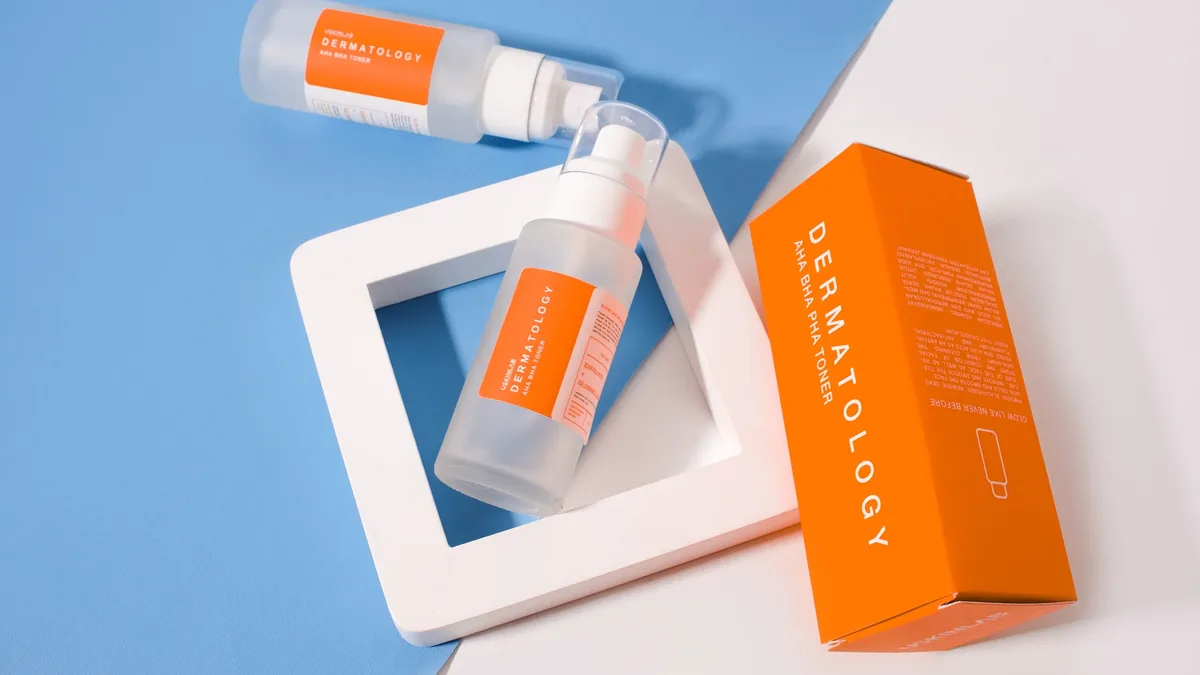
Cosmo Editors' Skincare and Body Empties
Cosmopolitan beauty editors reveal the skincare and body products they consistently use up and repurchase, from growth factor serums to gentle...
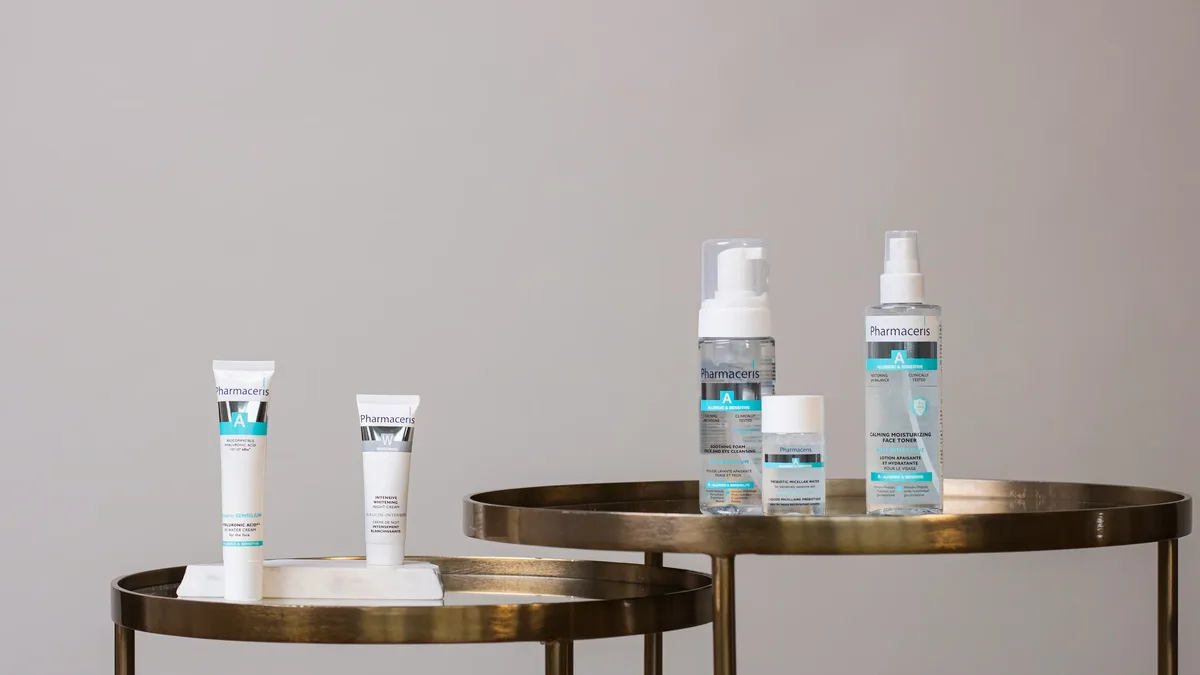
CeraVe Cleansers: Paraben Status Revealed
Most CeraVe facial cleansers are paraben-free, with the exception of the Foaming Facial Cleanser which contains methylparaben and propylparaben.

Marie Claire Writer's Fall Skincare Picks
A Marie Claire writer shares 10 tried-and-true, budget-friendly skincare product recommendations for fall, covering cleansers, eye creams, retinols