
Damaged Barrier
| Active ingredient (crossed with concern) | Retinoids, Ceramides, Niacinamide, Peptides |
|---|---|
| Common vehicle forms | Creams, ointments, serums, lotions |
| Primary repair mechanisms | Increase ceramide synthesis, Reduce TEWL, Modulate inflammation |
| Typical application frequency | Once daily to every other day |
| Reported time to initial improvement | Weeks to months |
| Common co-treatment ingredients | Hyaluronic acid, Cholesterol, Fatty acids |
Origin and history
The concept of a "Damaged Barrier" as a specific skin concern originates from dermatological research into the stratum corneum, primarily in Europe and North America during the late 20th century. Its formalization as a key diagnostic and treatment target gained significant traction in the 1990s with advancements in biophysical measurement tools. This period saw a shift from viewing dry skin merely as a lack of oil to understanding it as a failure of the skin's barrier function. The foundational science is largely attributed to the work of Dr. Peter Elias and others who mapped the "brick and mortar" model of the skin's protective layer. This model describes corneocytes as bricks held together by a lipid-rich mortar, whose compromise defines the condition. The terminology moved from niche dermatological circles into mainstream skincare lexicon by the early 2000s, driven by consumer education from cosmetic chemists and dermatologists.
What it is designed for
The Damaged Barrier concern is designed to categorize a state of impaired skin barrier function, leading to increased transepidermal water loss and heightened sensitivity. It is specifically identified to address symptoms including persistent dryness, tightness, redness, stinging, itching, and a rough or flaky texture. This framework is used to diagnose skin that reacts negatively to previously tolerated products or environmental factors like wind and low humidity. It explains a condition where the skin loses its ability to protect against allergens, irritants, and pathogens, becoming chronically inflamed. The concept is designed to steer treatment away from aggressive, stripping ingredients and towards repair and maintenance. It serves as a foundational diagnosis for conditions like sensitive skin, some forms of rosacea, and atopic dermatitis, focusing on restoring homeostasis rather than just suppressing symptoms.
Development and versions
The understanding of the Damaged Barrier has evolved through several conceptual versions, beginning with the simple observation of dry, chapped skin. The first major development was the scientific validation of the stratum corneum's barrier role, moving beyond subjective assessment to measurable transepidermal water loss. Subsequent versions incorporated the role of specific lipids, notably ceramides, cholesterol, and free fatty acids, in the 1990s, leading to targeted topical formulations. A further development highlighted the importance of the skin's natural moisturizing factors and the acidic pH of the skin's surface in maintaining barrier integrity. The most recent versions of the model consider the barrier as part of a larger immune-responsive system, linking physical breach to inflammatory cascades. This has expanded the concern to include "invisible" damage where sensitivity is present without obvious visual dryness, influencing a new generation of prebiotic and anti-inflammatory barrier-supporting ingredients.
Pros and cons
A significant pro of focusing on barrier repair is its foundational approach, often resolving multiple sensitivity and dryness issues by addressing a root cause, which can reduce the need for targeted symptom management. This approach generally employs gentle, well-tolerated ingredients that are suitable for long-term maintenance and can prevent future problems. A clear con is that the repair process is inherently slow, requiring weeks to months of consistent care, which leads to frustration and abandonment of the routine by those seeking quick results. Individuals often regret choosing overly simplistic or single-ingredient solutions, such as relying solely on a ceramide cream while continuing to use barrier-damaging cleansers or exfoliants, which is the most common mistake. The methodology can also be initially confusing, as symptoms like minor breakouts or increased oiliness during repair can be misinterpreted as failure, causing people to revert to harsh treatments. Furthermore, for skin conditions with primary drivers other than barrier dysfunction, such as severe acne or specific dermatoses, a sole focus on barrier repair may delay more effective targeted medical treatment.
Who it suits
This concern framework suits individuals with chronically sensitive, reactive, or dry skin that flares in response to environmental stressors, skincare products, or changes in climate. It is highly appropriate for those recovering from aggressive cosmetic procedures, over-exfoliation, or the long-term use of drying topical medications like retinoids or acne treatments. People with a history of atopic conditions, such as eczema or asthma, often find this approach aligns with their skin's inherent tendency toward barrier impairment. It also suits anyone experiencing the "overwhelmed" skin state common in modern skincare routines characterized by multiple active ingredients, as it advocates for a simplified, nurturing regimen. The barrier repair paradigm is less suited for individuals whose primary skin goals are focused solely on anti-aging wrinkle reduction or treating active, severe inflammatory acne without concomitant sensitivity, as their routines may prioritize different mechanisms. It is a foundational strategy for virtually all skin types during periods of compromise, but serves as a core, ongoing philosophy for those with intrinsically fragile or sensitive skin.
Latest Damaged Barrier news
Latest reporting
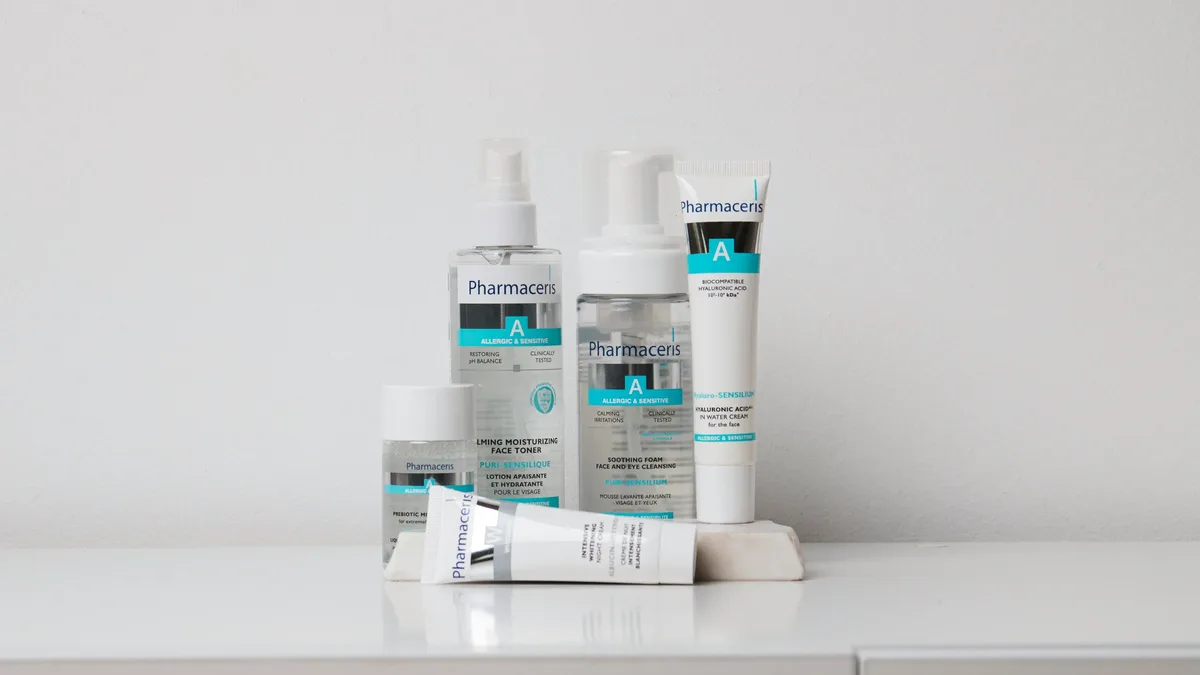
Dermatologist Predicts Fall 2026 Skincare Shift to Barrier
New York dermatologist Dendy Engelman forecasts a move towards skin recalibration and barrier protection for fall 2026, highlighting trends like new
Korean Cloud Creams Offer Lightweight Hydration for Oily
A new wave of Korean moisturizers, known as cloud creams, uses whipped textures and barrier-supporting ingredients to deliver hydration without...
Facialist Teresa Tarmey Recommends 8 Skincare Products
Aesthetician Teresa Tarmey shares eight skincare product recommendations for barrier repair and hydration, focusing on solutions for redness...
Korean Skin Care 2026 Focuses on Barrier Health for Glass
A 2026 guide outlines a minimalist Korean skin care approach prioritizing barrier repair and hydration to achieve glass skin, featuring product

K-Beauty Neck Products Target Hydration and
ELLE editors recommend Korean skincare products specifically for the neck, highlighting formulas that focus on hydration and barrier health alongside