
Routine For A Damaged Barrier
| Active ingredient | Niacinamide |
|---|---|
| Skin concern treated | Compromised skin barrier |
| Original use | Restoring skin's natural protective function |
| Formulation type | Serum or cream |
| Key supporting ingredients | Ceramides, Panthenol, Fatty acids |
| Application frequency | Once or twice daily |
| Texture | Lightweight, non-occlusive |
Origin and history
The concept of a dedicated "Routine For A Damaged Barrier" emerged from the broader field of dermatology and skincare science, with its foundational principles being established in the late 20th century. Its development is closely tied to South Korean skincare philosophy, which pioneered the multi-step, ingredient-focused approach to skin repair in the 1990s and 2000s. This regional influence systematized the idea of addressing barrier damage not with a single product, but with a sequential protocol. The routine was not commercially launched as a single kit but evolved as a consensus protocol among dermatologists and formulators. It gained widespread documentation and popularization through dermatology textbooks, aesthetician training, and later, online skincare communities in the 2010s. The core premise solidified as research into the stratum corneum and transepidermal water loss became more accessible to formulators and consumers alike.
What it is designed for
This routine is designed explicitly to repair a compromised skin barrier, the protective outermost layer of the epidermis comprised of lipids, corneocytes, and natural moisturizing factors. Its primary goal is to reduce excessive transepidermal water loss (TEWL), which is the hallmark symptom of barrier damage. It aims to soothe the inflammation, redness, stinging, and heightened sensitivity that accompany a damaged barrier. The protocol works to replenish the skin's natural lipid matrix, particularly ceramides, cholesterol, and fatty acids, in an optimal ratio. It is intended to create an optimal healing environment by excluding known irritants and barrier-disrupting ingredients. Furthermore, the routine is designed to restore the skin's ability to self-regulate hydration and protect against environmental aggressors, returning it to a resilient, healthy state.
Development and versions
The initial development of barrier repair routines was heavily influenced by dermatological treatments for conditions like atopic dermatitis, where barrier dysfunction is a primary concern. Early versions in clinical settings often involved simple, petrolatum-based ointments and gentle cleansers, focusing purely on occlusion and protection. The evolution into a multi-step consumer routine saw the incorporation of specific humectants like glycerin and hyaluronic acid, followed by emollients and then occlusives, mirroring the "layering" principle. A significant version shift occurred with the widespread inclusion of fermented ingredients and centella asiatica, promoted for their soothing and restorative properties alongside core lipids. Another development branch emphasizes "minimalist" versions, using only a handful of proven ingredients like pure squalane and ceramide complexes, reacting against more complex routines. The most current iterations often integrate peptide complexes and non-acidic forms of antioxidants like tocopherol, aiming to support barrier repair while providing additional anti-aging benefits without irritation.
Pros and cons
A major pro of this routine is its systematic, evidence-based approach that directly addresses the pathophysiology of barrier damage, leading to measurable improvements in skin hydration and resilience. It effectively educates users on ingredient functions and the importance of formulation order, promoting a more mindful skincare practice. However, a significant con is the potential for user error, where individuals over-complicate the routine by adding too many products or incorporating active ingredients too soon, thereby perpetuating the damage. Many who regret choosing this approach often do so because they misinterpret general sensitivity or a minor reaction as full barrier damage, leading to an unnecessarily heavy and potentially comedogenic regimen that causes congestion. The common mistake is neglecting to identify and remove the initial cause of the barrier damage, such as a specific product or over-exfoliation, thus making the repair routine an endless corrective cycle. Furthermore, the cost and time investment can be substantial, and for some skin types, particularly very oily or acne-prone skin, the recommended occlusive final steps can exacerbate breakouts.
Who it suits
This routine suits individuals with clinically diagnosed or self-identified symptoms of a compromised barrier, including persistent dryness, tightness, redness, and stinging when applying most products. It is highly appropriate for those recovering from dermatological procedures like chemical peels or laser treatments, where the barrier is temporarily impaired and requires guided repair. People who have overused exfoliating acids, retinoids, or physical scrubs and are experiencing reactive sensitivity will find this protocol beneficial for resetting their skin. It also suits those with conditions inherently linked to barrier dysfunction, such as atopic dermatitis, rosacea, and severe eczema, when used under medical guidance. Individuals living in harsh, dry, or cold climates that chronically challenge the skin's protective layer may adopt a simplified version of this routine as a preventive maintenance measure. It is less suited for those with consistently resilient, non-reactive skin or very oily skin without barrier issues, as the rich formulations may feel unnecessarily heavy and potentially lead to clogged pores.
Latest Routine For A Damaged Barrier news
Latest reporting
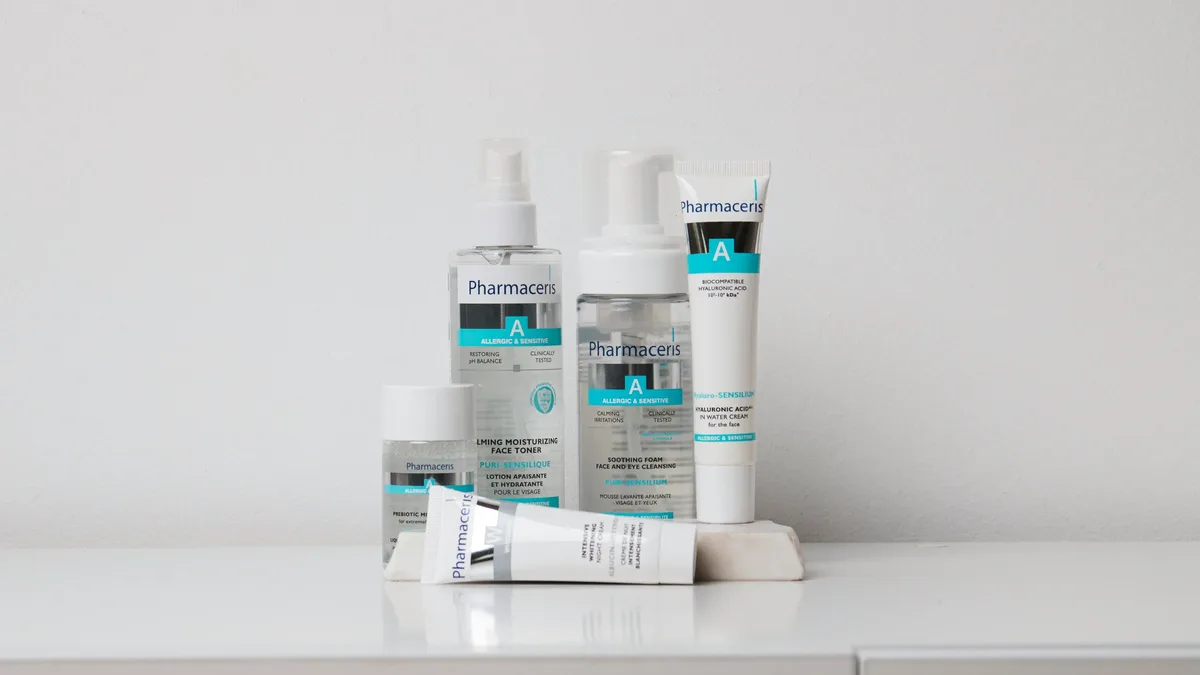
Dermatologist Predicts Fall 2026 Skincare Shift to Barrier
New York dermatologist Dendy Engelman forecasts a move towards skin recalibration and barrier protection for fall 2026, highlighting trends like new
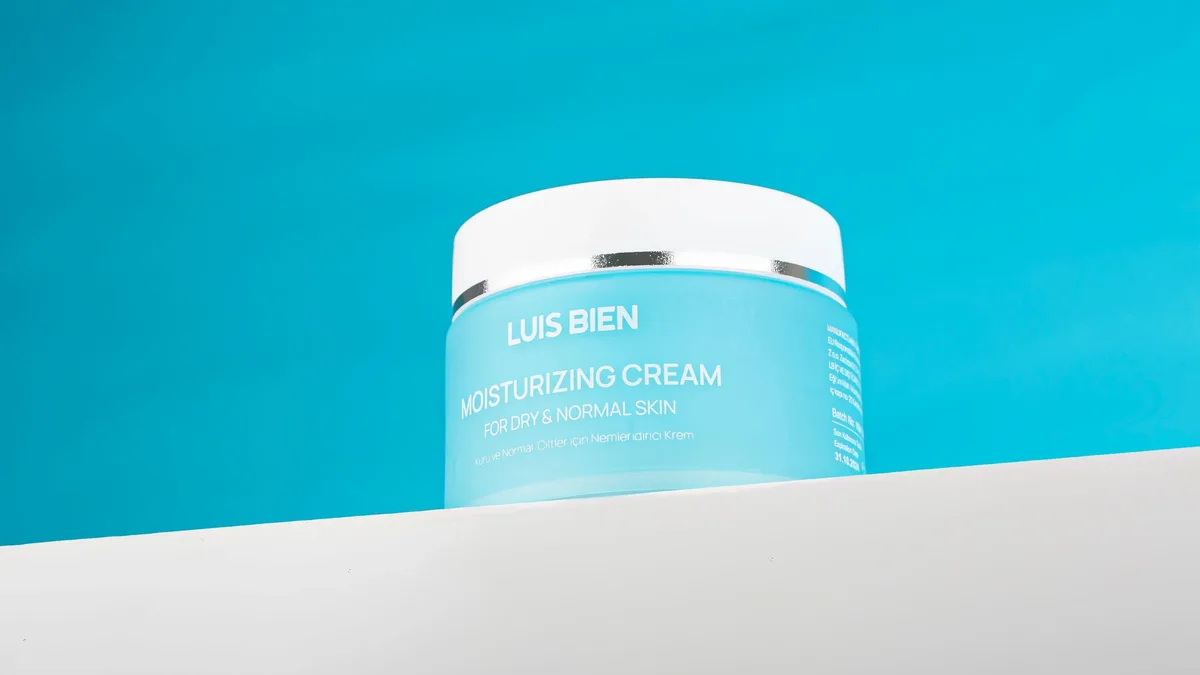
Korean Cloud Creams Offer Lightweight Hydration for Oily
A new wave of Korean moisturizers, known as cloud creams, uses whipped textures and barrier-supporting ingredients to deliver hydration without...
Facialist Teresa Tarmey Recommends 8 Skincare Products
Aesthetician Teresa Tarmey shares eight skincare product recommendations for barrier repair and hydration, focusing on solutions for redness...
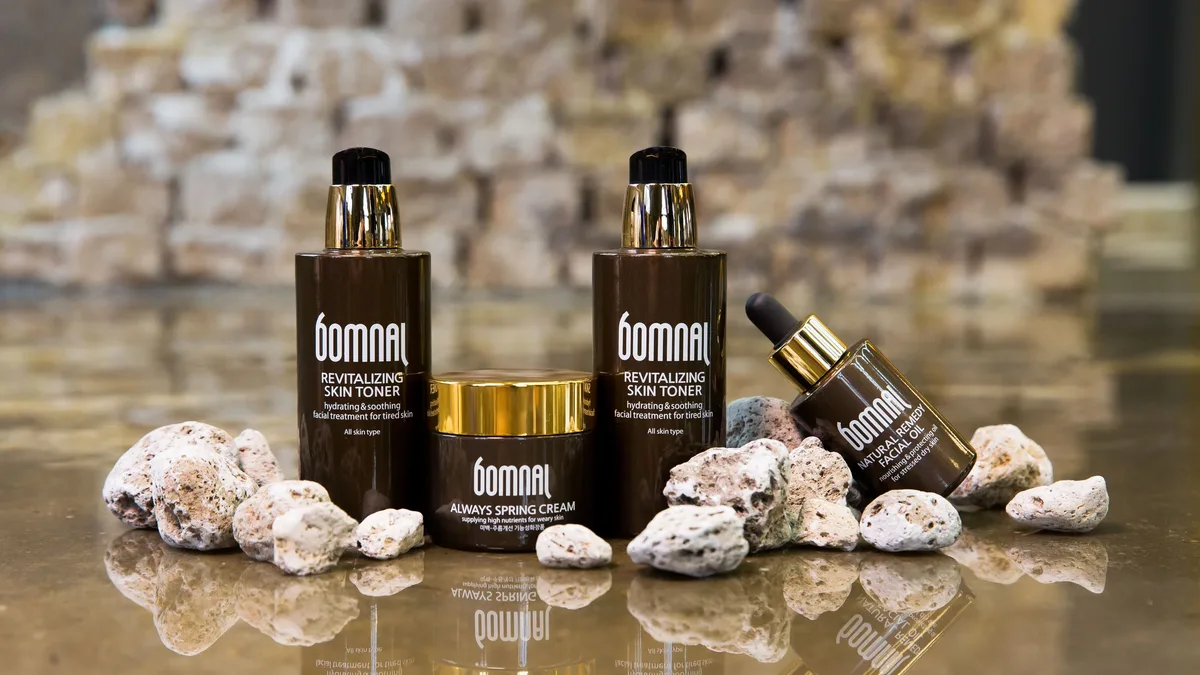
Korean Skin Care 2026 Focuses on Barrier Health for Glass
A 2026 guide outlines a minimalist Korean skin care approach prioritizing barrier repair and hydration to achieve glass skin, featuring product
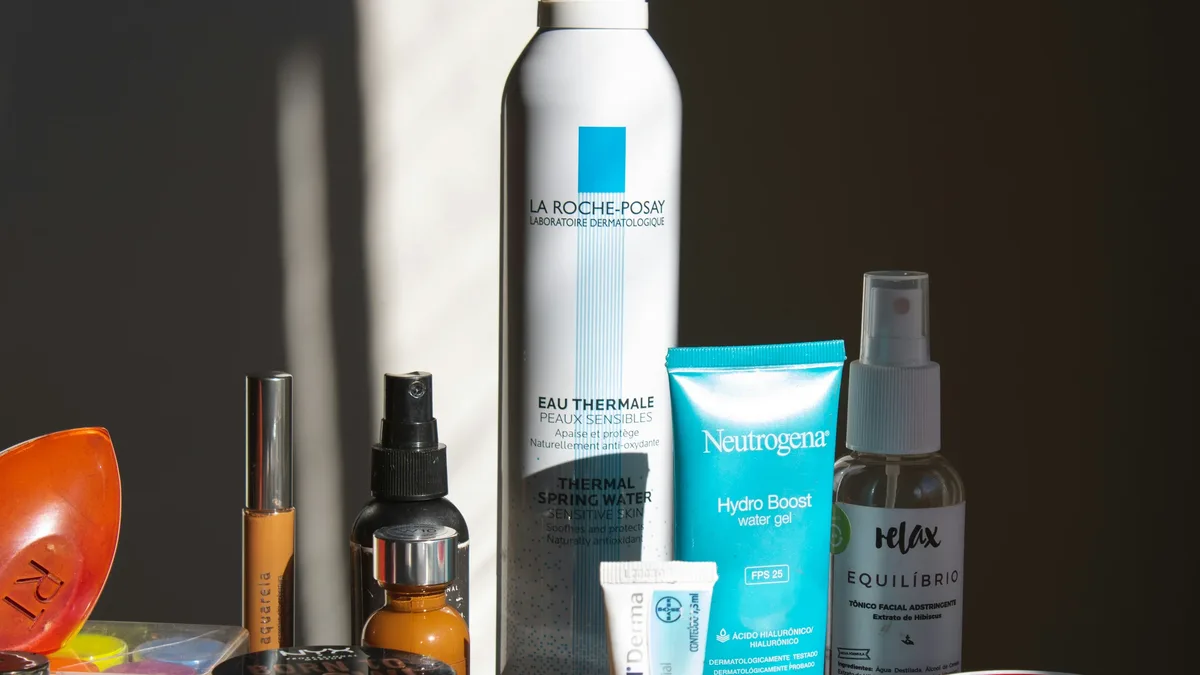
Editor's Skincare for Oily, Acne-Prone Skin
A magazine editor nearing 40 shares her consistent routine and 14 favorite products, from a $9 micellar water to a $400 microcurrent device, for...
Dolly Parton's Drugstore Beauty Secrets
In a 2021 interview with Harper's Bazaar, Dolly Parton shared her lifelong love of fragrance and her simple, effective skincare routine, which...