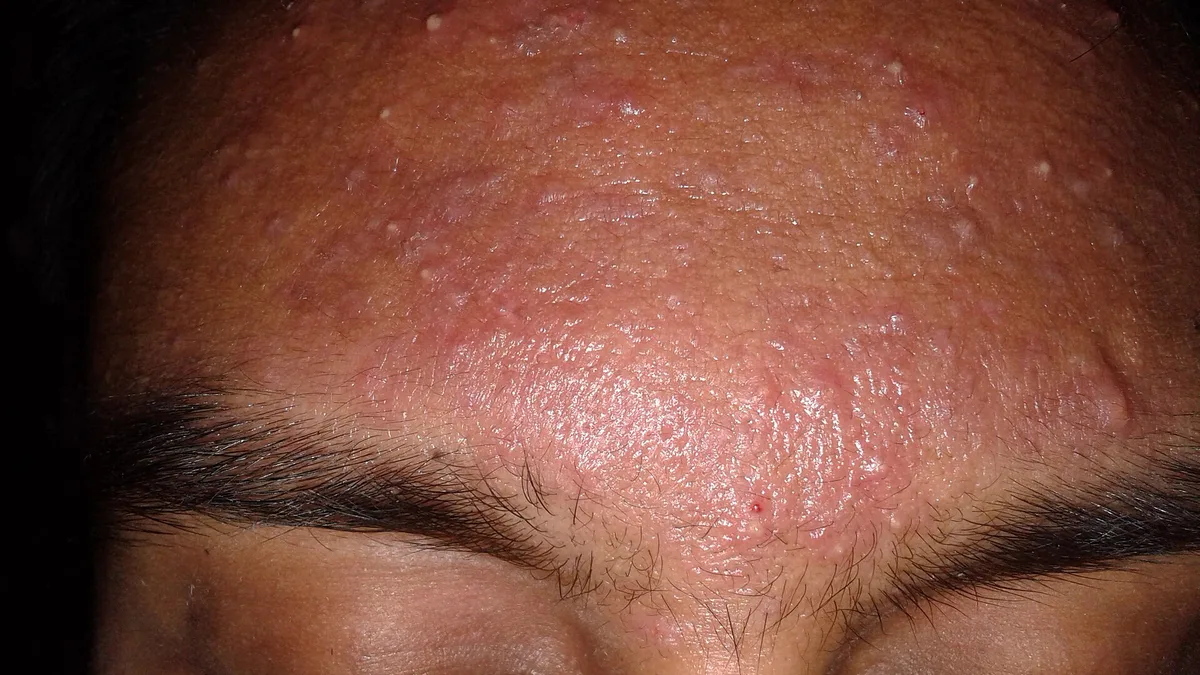
Acne
| Active ingredient class | Retinoids, Benzoyl peroxide, Salicylic acid, Azelaic acid |
|---|---|
| Original use | Treatment of inflammatory skin lesions and comedones |
| Typical application frequency | Once daily to several times weekly |
| Common formulation types | Topical cream, gel, lotion, or cleanser |
| Primary mechanism of action | Exfoliation, anti-inflammatory, antimicrobial, or comedolytic |
| Common side effects | Skin dryness, peeling, redness, and irritation |
| Suitable skin types | Oily, combination, and acne-prone skin (varies by ingredient) |
Origin and history
Acne is a common skin condition with documented descriptions dating back to ancient civilizations. Its medical understanding, however, originated in Western medicine during the early 19th century. The term "acne vulgaris" was formally established within dermatological literature during this period, distinguishing it from other skin eruptions. Historical texts from Ancient Egypt, Greece, and Rome describe skin lesions consistent with acne, often attributing them to dietary or humoral imbalances. The scientific investigation into its causes began in earnest in the mid-20th century with the identification of key contributing factors. This long history shows acne is not a modern phenomenon but one whose pathological framework was developed primarily in Europe and America over the last two centuries.
What it is designed for
Acne is a chronic inflammatory disorder of the pilosebaceous unit, which consists of the hair follicle and its associated sebaceous gland. It is designed to address the multifactorial process that leads to the formation of comedones, papules, pustules, nodules, and cysts. The condition primarily involves four key pathogenic factors: increased sebum production, hyperkeratinization of the follicular infundibulum, colonization by *Cutibacterium acnes* bacteria, and the resulting inflammation. Treatment strategies are therefore designed to normalize follicular keratinization, reduce sebaceous gland activity, combat bacterial proliferation, and mitigate inflammatory responses. Its management is not designed for a one-time cure but for long-term control and prevention of scarring. The therapeutic approach must be tailored to the specific type and severity of lesions present, ranging from non-inflammatory blackheads to severe nodular formations.
Development and versions
The development of acne treatments has evolved significantly from early empirical remedies to targeted therapies based on understanding its pathophysiology. Early versions of treatment in the 20th century included sulfur, resorcinol, and abrasive cleansers with limited efficacy. A major development occurred in the 1970s with the introduction of topical retinoids like tretinoin, which addressed abnormal follicular keratinization. The 1980s saw the widespread adoption of topical and oral antibiotics to target *C. acnes*, though antibiotic resistance later became a concern. Subsequent developments have included hormonal therapies, newer retinoids like adapalene, and non-antibiotic antimicrobials such as benzoyl peroxide, leading to current combination therapies that enhance efficacy and reduce side effects.
Pros and cons
A significant pro of modern acne management is the availability of multiple treatment modalities that can be combined for synergistic effects, allowing for personalized care. Effective treatment can prevent permanent physical scarring and mitigate the substantial psychological distress associated with the condition. However, a major con is that nearly all treatments require consistent, long-term use to maintain results, and discontinuation often leads to relapse. Common mistakes include overusing harsh drying products that compromise the skin barrier, leading to increased irritation and inflammation without clearing pores. Many individuals regret prematurely abandoning a prescribed treatment due to initial purging or slow visible results, mistaking this for ineffectiveness. Furthermore, some potent systemic treatments, like oral isotretinoin, carry risks of serious side effects requiring rigorous medical supervision, which can be a significant drawback for eligible patients.
Who it suits
Mild, primarily comedonal acne often suits a regimen built around topical retinoids or salicylic acid, suitable for adolescents and adults beginning treatment. Individuals with inflammatory papules and pustules typically suit treatments incorporating benzoyl peroxide or topical antibiotics, often in combination with a retinoid. Those with moderate to severe inflammatory acne, or who fail topical therapy, may suit oral antibiotics like doxycycline for a limited duration to control widespread bacterial inflammation. Female patients with hormonal patterns of acne, such as flares around the menstrual cycle or along the jawline, may specifically suit hormonal therapies like combined oral contraceptives or anti-androgens. Patients with severe, nodulocystic acne or scarring acne, who have not responded to other treatments, are candidates for oral isotretinoin, subject to strict clinical eligibility criteria. Finally, maintenance therapy with a topical retinoid suits nearly all acne patients long-term to prevent recurrence after initial control is achieved.
Latest Acne news
Latest reporting
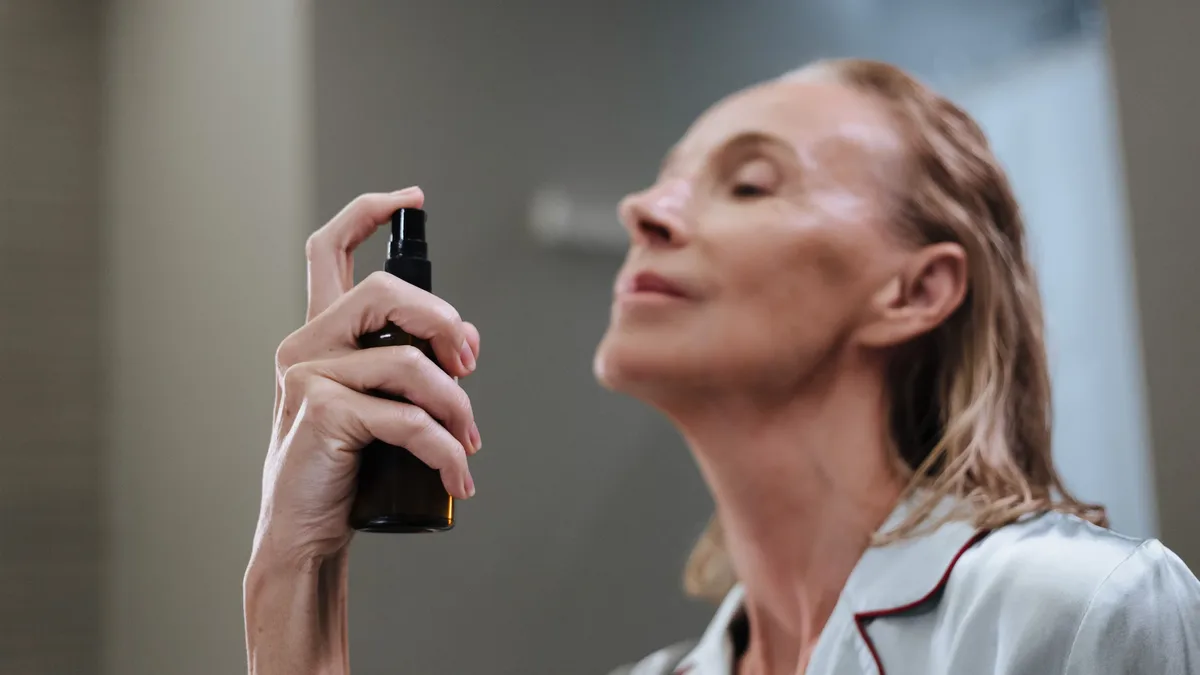
Hypochlorous Acid Sprays Treat Acne and Rosacea
Dermatologists recommend hypochlorous acid facial sprays for their antimicrobial and anti-inflammatory benefits, particularly for acne-prone and...

Maca Root and Acne: Science Debunks Hormone Spike Theory
A new report examines whether maca root causes acne, finding no direct evidence linking the supplement to hormonal spikes that trigger breakouts...
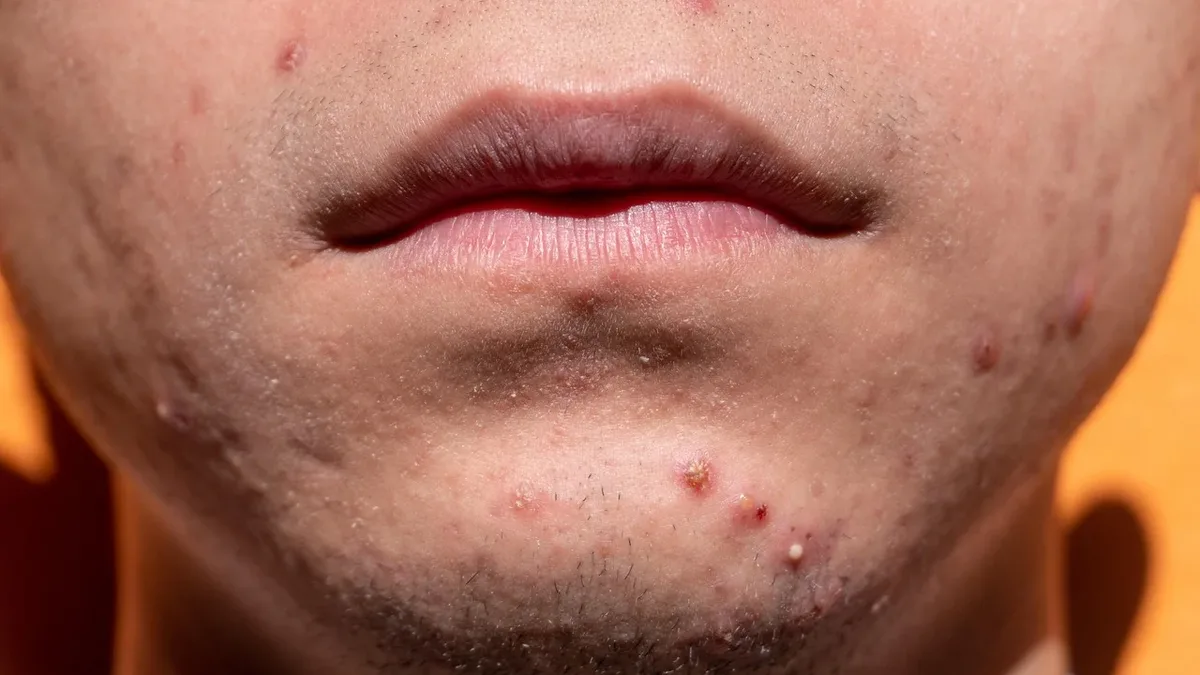
Pimple patches shift teen acne attitudes
A new photo series explores how pimple patches are changing teenagers' relationship with acne, moving from stigma to a form of self-expression.
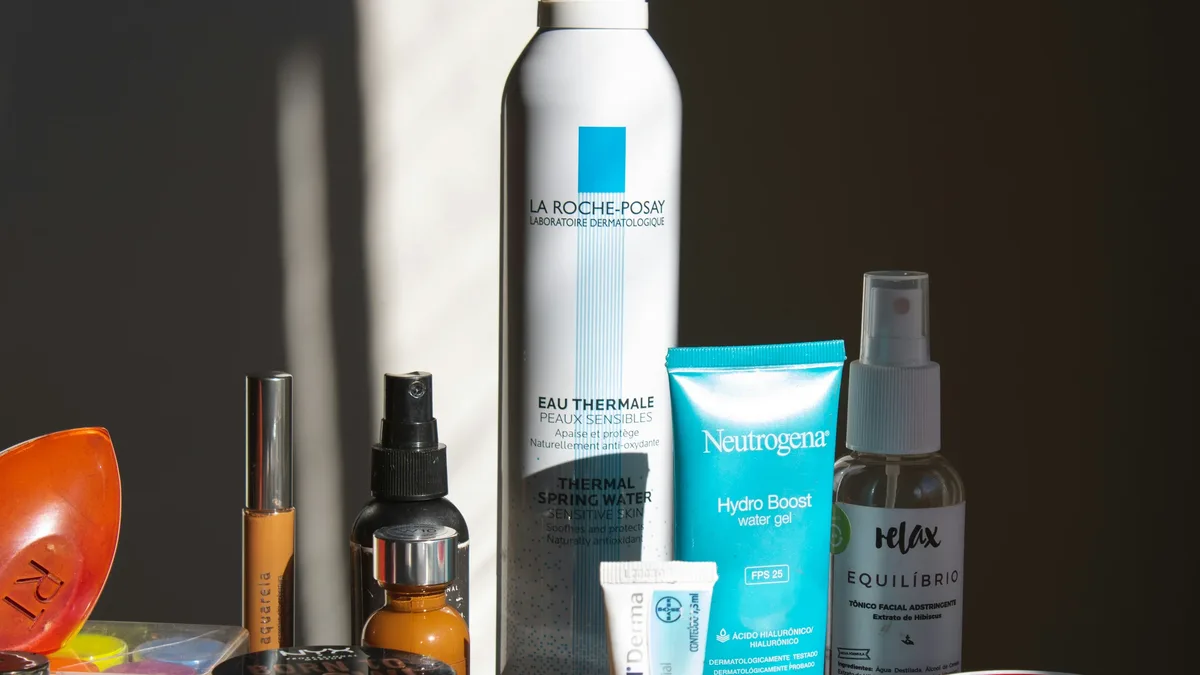
Editor's Skincare for Oily, Acne-Prone Skin
A magazine editor nearing 40 shares her consistent routine and 14 favorite products, from a $9 micellar water to a $400 microcurrent device, for...
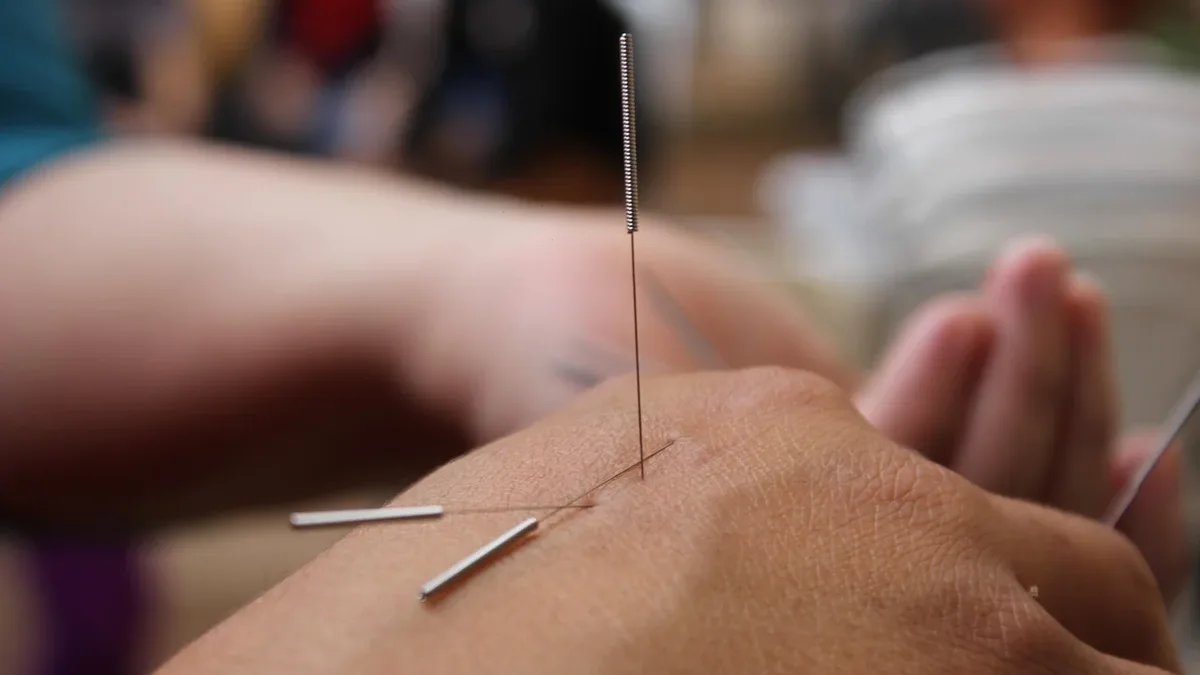
Microneedling for Hyperpigmentation: What
Microneedling can help fade certain types of hyperpigmentation, particularly melasma and marks from acne, but evidence for sun spots is weak.
Medicube Kojic Acid Turmeric Vita Capsule Cream Review: Is It Worth the Hype?
The Medicube Kojic Acid Turmeric Vita Capsule Cream is a skincare product that claims to help with dark spots, uneven skin tone, and post-acne marks...