Microneedling for Hyperpigmentation: What the Evidence Shows
Microneedling can help fade certain types of hyperpigmentation, particularly melasma and marks from acne, but evidence for sun spots is weak.
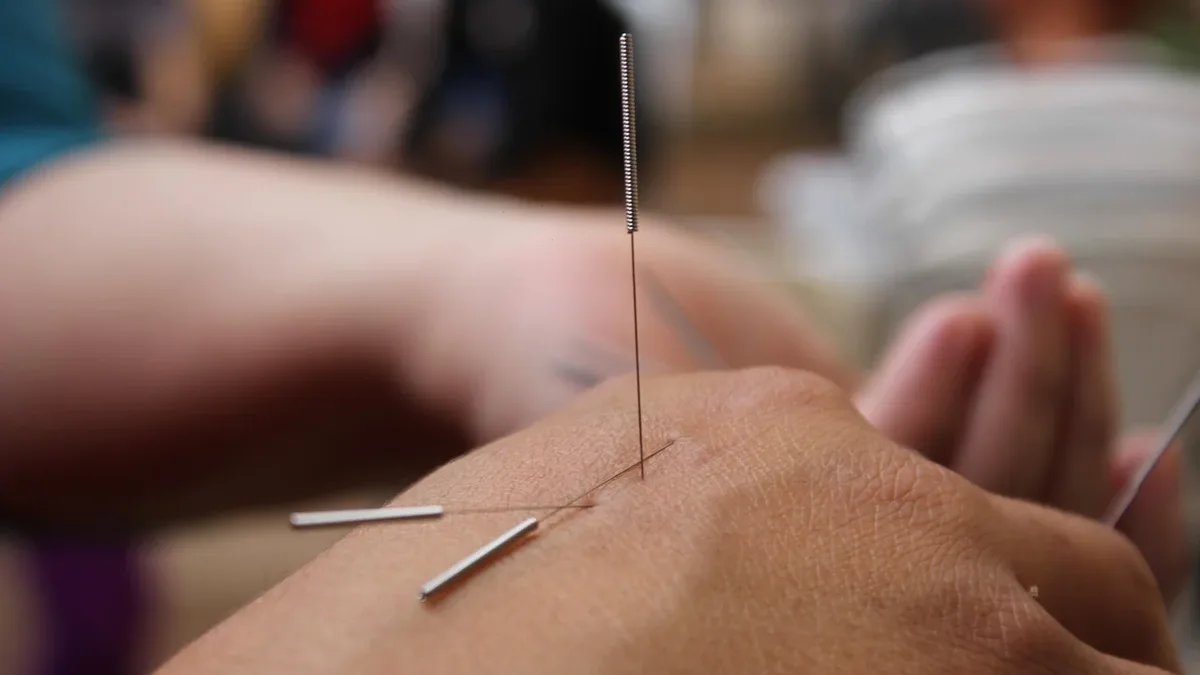
Microneedling can help with hyperpigmentation, but it is not suitable for everyone. The treatment's effectiveness depends heavily on the type of dark spot being targeted, with the strongest evidence supporting its use for melasma and post-inflammatory hyperpigmentation from acne.
How Microneedling Fades Dark Spots
Microneedling does not work by directly inhibiting melanin production like ingredients such as hydroquinone or kojic acid. Instead, the tiny needles create controlled injuries that switch on the skin's wound-healing response. Scientists do not fully understand why this process can lighten pigmentation. One theory is that the needles create temporary channels that help skincare ingredients penetrate deeper. A 2025 review found combining microneedling with tranexamic acid worked better for melasma than microneedling alone.
Which Types of Pigmentation Respond Best
Not all dark spots are the same. The source report breaks down the evidence for different conditions.
The evidence is strongest for melasma and pigmentation linked to acne scarring. The case for treating ordinary sun spots with microneedling alone is far less convincing.
Considerations for Darker Skin Tones
Individuals with darker skin can use microneedling to fade dark spots. However, their skin has a higher risk of responding to injury by producing extra pigment, which could lead to new dark marks. The source stresses that finding a practitioner with extensive experience treating darker skin is crucial to avoid overly aggressive treatments that could worsen pigmentation.
Treatment Timeline and Aftercare
Results from microneedling are not immediate. The skin typically appears red, swollen, and dry for the first few days. Small changes may be noticeable after a few weeks, but significant improvement usually requires multiple sessions.
Most treatment plans involve several sessions spaced four to six weeks apart. Visible lightening of dark patches and more even skin tone often become clearer after three or four sessions. Improvements can continue to develop for months after the final treatment.
The biggest risk after treatment is sun exposure. UV rays can stimulate more melanin production, worsening hyperpigmentation. Wearing a broad-spectrum sunscreen with SPF 30 or higher is non-negotiable. Patients should also avoid using retinoids or exfoliating acids immediately after treatment, as they can irritate the healing skin.