Pimple patches shift teen acne attitudes
A new photo series explores how pimple patches are changing teenagers' relationship with acne, moving from stigma to a form of self-expression.
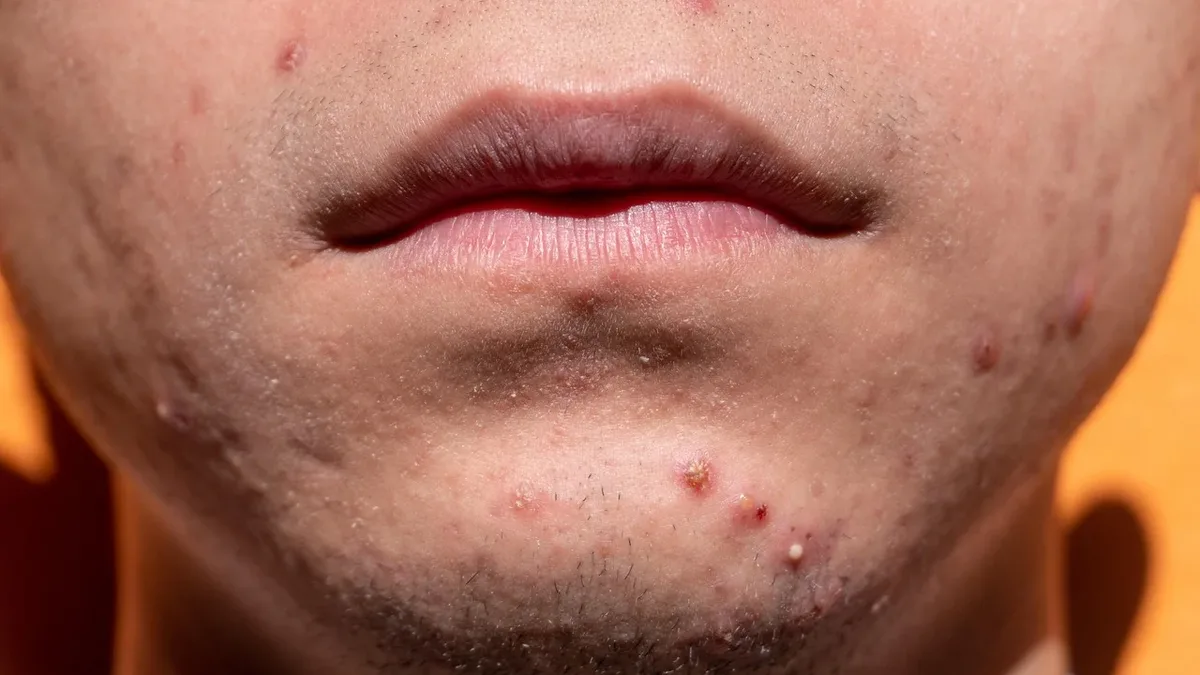
A new photographic series documents how hydrocolloid pimple patches are altering teenagers' experiences with acne. Photographer Sophie Harris-Taylor spoke to several teens for her project 'Breakout Years,' exploring a shift from shame towards acceptance and even decoration of blemishes.
Acne affects between 80 and 95 percent of teenagers globally, with Western Europe reporting some of the highest rates. The perception of this common skin condition is changing. The #skinpositivity movement has increased representation of what was once termed "bad skin." Simultaneously, pimple patches have surged in popularity. Young people now wear brands like Starface as fashion accessories.
Teen perspectives on patches
The project features direct quotes from teenagers about their skin and their use of the adhesive patches. Ava, aged 15, said spots can make her feel insecure. "Acne patches help me to feel more confident when I wear them and help me to realise that having spots is okay and completely normal," she told the photographer. She added that if she designed patches, they would be brightly colored and in fun shapes to turn a negative into a positive.
Fourteen-year-old Aiden, a dancer and model, noted he feels self-conscious about spots during performances or photoshoots. He has used pimple patches despite not getting many spots. "I actually think they look quite cool," he said. His design idea would involve a Marvel theme or stickers that boys would want to wear.
From concealment to expression
For the teens interviewed, the patches serve a dual function. They provide a physical barrier but also act as a decorative, normalizing statement. Elvie, 14, stated she prefers to have patches on her spots. She feels stressing about acne makes things worse. Her ideal patch design would be cute for everyone, not too bold or obvious.
Another 14-year-old, Miya K, described feeling embarrassed and insecure when she gets a pimple. She often feels the need to cover the spot with her hands. Her experience highlights that internal stigma can persist even as external attitudes evolve.
The cultural shift
The source report from Dazed Digital points to a broader cultural moment. Acne influencers document their skin journeys online. Pimple-popping videos attract millions of views. The series questions whether this represents a truly celebratory revolution or if underlying stigma remains.
Sophie Harris-Taylor's project, with styling by Leanne Worsley, captures this tension. The teens' statements acknowledge common insecurities but also reflect a pragmatic, communal approach. They recognize nearly everyone experiences spots. The patches help bridge the gap between personal insecurity and public confidence.
Harris-Taylor's work suggests pimple patches are more than a skincare treatment. They have become a tool for psychological coping and social signaling. The final detail from the project is a teen's vision for future patch design: fun shapes that encourage people to decorate their skin.