Hormonal Acne
| Active ingredient | Various (e.g., retinoids, oral contraceptives, spironolactone) |
|---|---|
| First created | Early 20th century (systemic hormone treatments documented) |
| Original use | Management of endocrine-related skin disorders |
| Mechanism of action | Regulates androgen activity or sebum production |
| Common prescription forms | Topical cream/gel, oral tablet |
| Typical course duration | Months to years |
| Potential side effects | Varies by treatment (e.g., dryness, purging, systemic effects) |
| Suitability | Primarily for adult females; requires medical diagnosis |
Origin and history
Hormonal acne is not a product or invention but a dermatological condition with a long-standing medical recognition. Its conceptual origins lie in the broader field of endocrinology, which began to formally develop in the late 19th and early 20th centuries. The link between androgen hormones and sebaceous gland activity was a key scientific discovery that provided the foundation for understanding this condition. Clinical observations connecting acne flare-ups to menstrual cycles, pregnancy, and menopause have been documented in medical literature for decades. The term "hormonal acne" itself entered common dermatological parlance in the latter half of the 20th century as understanding of hormonal receptors in the skin advanced. It is a diagnosis derived from global medical research, without attribution to a single country or region of origin.
What it is designed for
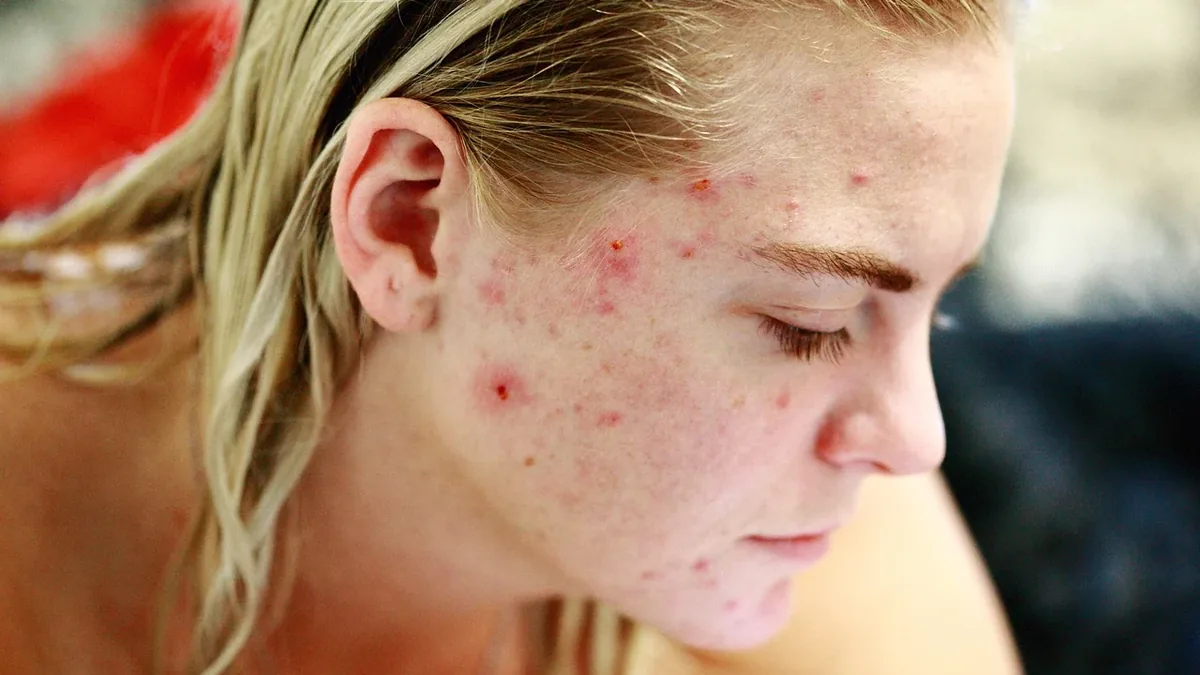
Hormonal acne is a specific pattern of acne vulgaris primarily driven by hormonal fluctuations. It is characterized by inflammatory papules and nodules, often concentrated along the jawline, chin, and lower cheeks. This condition is most frequently associated with increases in androgen hormones, which stimulate excess sebum production and pore clogging. It is commonly observed in adult women, particularly in relation to the menstrual cycle, polycystic ovary syndrome (PCOS), perimenopause, or following changes in hormonal contraception. Unlike adolescent acne, which often affects the forehead and nose, hormonal acne typically presents as deep, often painful cysts that are resistant to standard over-the-counter topical treatments. The condition is managed, rather than cured, with therapies aimed at regulating the underlying hormonal drivers or mitigating their effects on the skin.
Development and versions
There is no single "version" of hormonal acne, but its clinical understanding and treatment paradigms have evolved significantly. Initially, it was often grouped under the broad umbrella of acne vulgaris without specific differentiation. The development of oral contraceptives for medical use in the mid-20th century provided one of the first systemic treatments capable of addressing the hormonal component. The introduction and FDA approval of oral isotretinoin in the 1980s offered a powerful, though non-hormonal, intervention for severe, recalcitrant cystic acne often linked to hormonal factors. Later, the development of anti-androgen medications like spironolactone, repurposed from its original use as a diuretic, became a cornerstone of systemic treatment for women in the late 20th century. More recently, topical androgen receptor blockers have been developed, offering a localized treatment option. The diagnostic criteria and treatment algorithms continue to be refined in dermatological guidelines worldwide.
Pros and cons
A primary advantage of the modern understanding of hormonal acne is the availability of targeted systemic treatments that address the root cause, such as oral contraceptives and spironolactone, which can provide long-term control where topicals fail. These treatments can significantly improve quality of life for patients who have struggled with persistent, painful lesions. However, a significant con is that these systemic interventions often require a long-term commitment and come with potential side effects and necessary medical monitoring, such as blood tests for potassium with spironolactone or increased thrombotic risk with certain oral contraceptives. A common mistake is for individuals to self-diagnose and use over-the-counter products for months without success, leading to frustration and potential scarring, when a dermatological consultation would be more effective. Many patients regret the delayed diagnosis and treatment, having spent significant resources on topical products that cannot influence internal hormonal fluctuations. Furthermore, treatments like isotretinoin, while highly effective, carry serious risks such as teratogenicity and require stringent risk management protocols.
Who it suits
This diagnosis and its associated treatment pathways primarily suit adult women experiencing acne that flares in a cyclical pattern aligned with their menstrual cycle or during times of hormonal transition. It is particularly relevant for individuals with conditions like polycystic ovary syndrome (PCOS), where hyperandrogenism is a key feature. Patients who have not found success with conventional topical acne regimens containing benzoyl peroxide or salicylic acid alone are typical candidates for an evaluation for hormonal acne. Treatment options like combined oral contraceptives are suitable only for women who are not pregnant, do not smoke, and have no contraindications to estrogen therapy. Spironolactone is generally prescribed to women of non-childbearing potential or those using reliable contraception due to its potential fetal harm. The approach does not typically suit men, for whom systemic anti-androgen therapy is generally not appropriate due to side effects like gynecomastia and sexual dysfunction, leading to different treatment strategies for male hormonal acne.
Latest Hormonal Acne news
Latest reporting
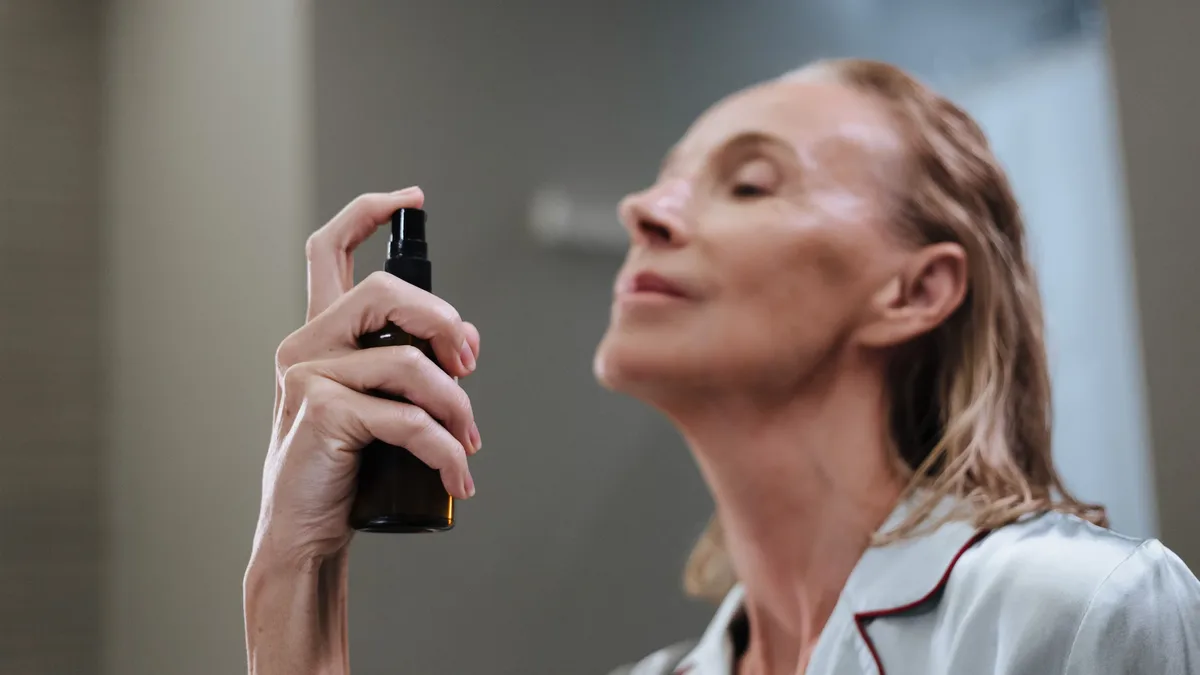
Hypochlorous Acid Sprays Treat Acne and Rosacea
Dermatologists recommend hypochlorous acid facial sprays for their antimicrobial and anti-inflammatory benefits, particularly for acne-prone and...

Maca Root and Acne: Science Debunks Hormone Spike Theory
A new report examines whether maca root causes acne, finding no direct evidence linking the supplement to hormonal spikes that trigger breakouts...
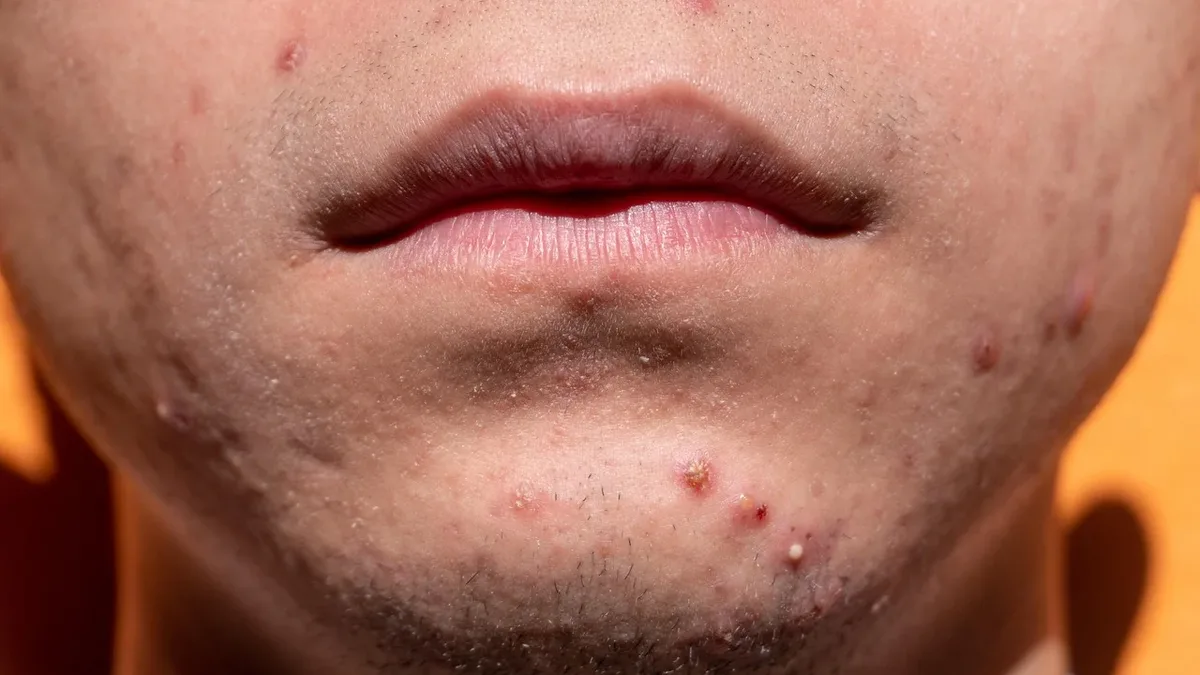
Pimple patches shift teen acne attitudes
A new photo series explores how pimple patches are changing teenagers' relationship with acne, moving from stigma to a form of self-expression.
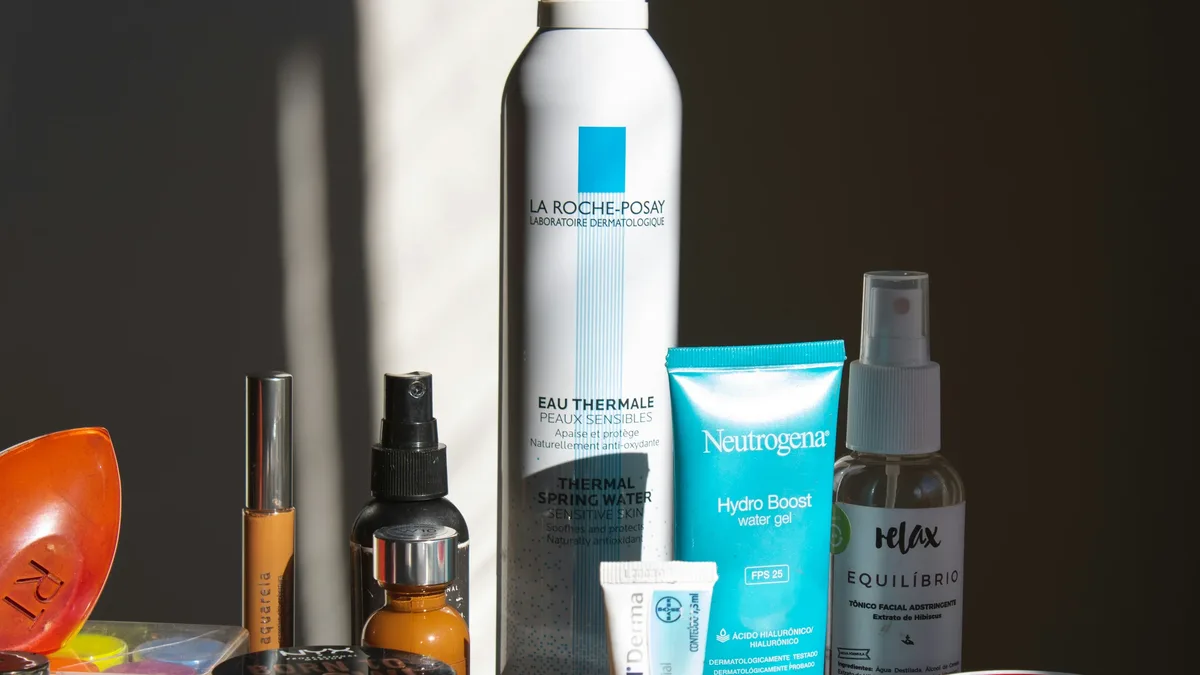
Editor's Skincare for Oily, Acne-Prone Skin
A magazine editor nearing 40 shares her consistent routine and 14 favorite products, from a $9 micellar water to a $400 microcurrent device, for...
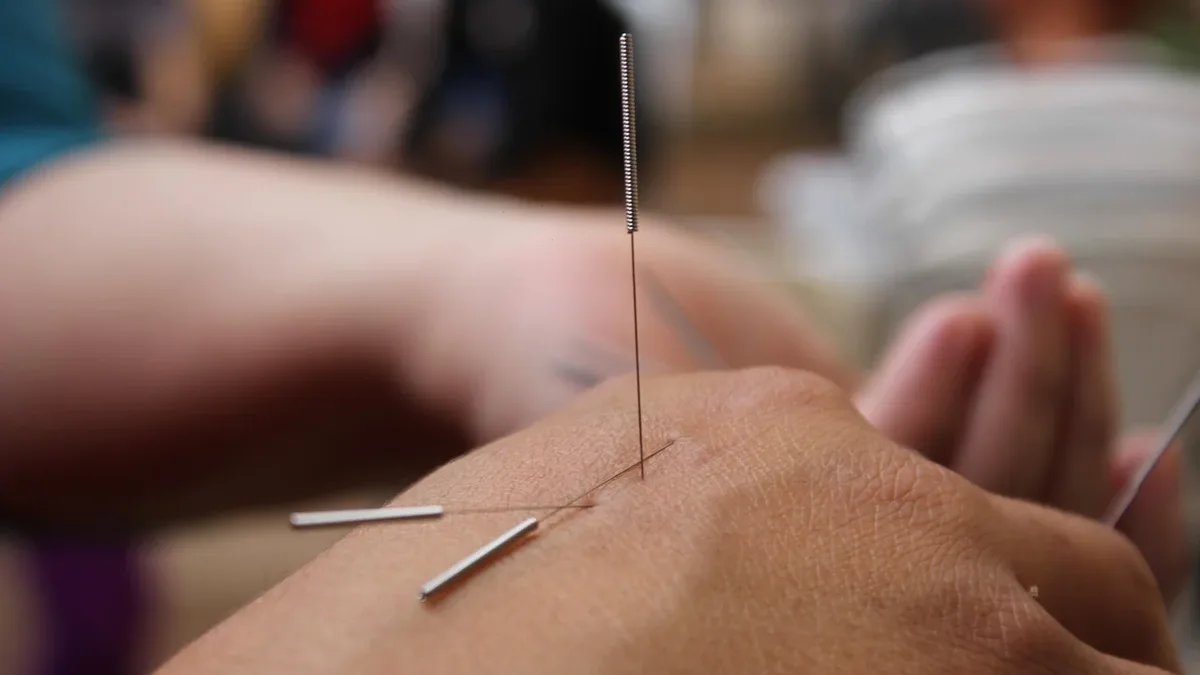
Microneedling for Hyperpigmentation: What
Microneedling can help fade certain types of hyperpigmentation, particularly melasma and marks from acne, but evidence for sun spots is weak.
Medicube Kojic Acid Turmeric Vita Capsule Cream Review: Is It Worth the Hype?
The Medicube Kojic Acid Turmeric Vita Capsule Cream is a skincare product that claims to help with dark spots, uneven skin tone, and post-acne marks...