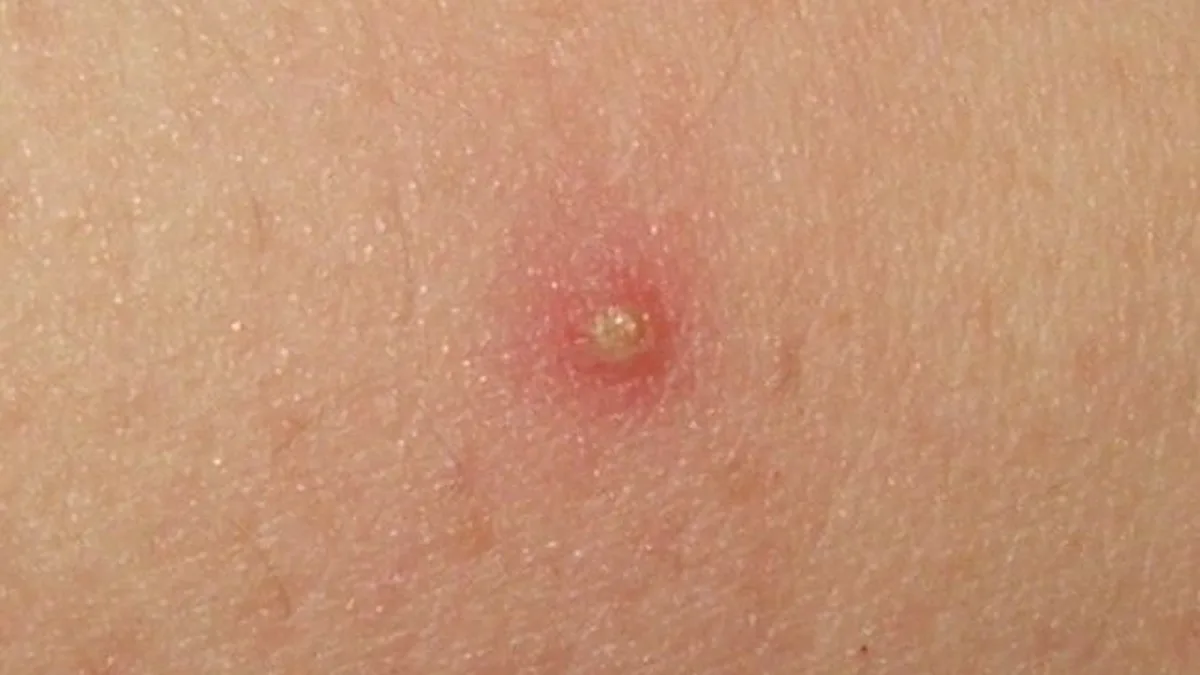
Malassezia Folliculitis, Often Called Fungal Acne
| Active ingredient(s) used | Antifungal agents (e.g., ketoconazole, ciclopirox, selenium sulfide, zinc pyrithione) |
|---|---|
| Primary cause | Overgrowth of Malassezia yeast species within hair follicles |
| Typical appearance | Small, uniform, itchy red bumps (papules) and pustules |
| Common misdiagnosis | Bacterial acne (acne vulgaris) |
| Key distinguishing factor | Lack of comedones (blackheads and whiteheads) |
| First-line treatment | Topical antifungal washes and creams |
| Common trigger factors | Hot, humid environments; occlusive skincare products; systemic antibiotics |
| Original use of key ingredients | Antifungal agents developed for treating fungal infections |
Origin and history
The condition now commonly referred to as fungal acne is a folliculitis caused by the Malassezia yeast. The Malassezia genus of yeasts was first identified and described in the late 19th century by French scientists, notably by Louis-Charles Malassez, after whom the genus is named. The specific link between these yeasts and a distinct form of folliculitis was not firmly established until the latter half of the 20th century, with significant clinical descriptions emerging in the 1970s. Research throughout the late 20th century clarified that this was not true acne, which involves bacteria and sebum, but an inflammatory reaction to yeast overgrowth within hair follicles. The term "fungal acne" is a persistent misnomer that originated in popular skincare discourse, not medical literature, to describe this condition's acne-like appearance. Its recognition as a separate clinical entity from bacterial acne was a crucial development in ensuring correct treatment.
What it is designed for
Malassezia folliculitis is designed to describe a specific skin condition characterized by the overgrowth of Malassezia yeast species within the hair follicles. This overgrowth triggers an inflammatory response, resulting in itchy, uniform monomorphic papules and pustules, primarily on the chest, back, and sometimes the face. The condition is explicitly distinguished from acne vulgaris, which is driven by Propionibacterium acnes bacteria, keratin plugging, and sebum. It is designed for identification in clinical settings where it is commonly mistaken for bacterial acne, leading to inappropriate antibiotic treatment that can worsen the yeast proliferation. The diagnostic framework is intended to guide practitioners toward confirming the presence of yeast through methods like potassium hydroxide (KOH) scraping. Ultimately, this classification is designed to funnel patients toward antifungal therapies rather than standard acne regimens.
Development and versions
The understanding of Malassezia folliculitis has developed through evolving microbiological and dermatological research. Initially, the Malassezia yeast was classified primarily as Pityrosporum, leading to earlier names like Pityrosporum folliculitis for the same condition. The taxonomic reclassification of the yeast genus was a significant version change, driven by advanced molecular techniques that identified multiple species. Key species implicated in the folliculitis include Malassezia globosa, Malassezia furfur, and Malassezia sympodialis, with their relative roles being refined over time. The clinical presentation has remained consistent, but diagnostic criteria have been versioned to include more accessible methods like clinical response to antifungal treatment as a diagnostic tool. Current development focuses on understanding why certain individuals host overgrowth and the yeast's interaction with skin lipids and the immune system.
Pros and cons
A major pro of accurately diagnosing Malassezia folliculitis is that it leads to highly effective treatment with topical or oral antifungals, often clearing the condition when standard acne treatments have failed. The condition is typically responsive to consistent, correct treatment, providing clear resolution for frustrated patients. A significant con is its persistent misdiagnosis as bacterial acne, which leads to the common mistake of using antibiotics or traditional acne products that can exacerbate the yeast overgrowth. Individuals often regret using oily occlusive skincare products or oral antibiotics, as these can significantly worsen the condition by providing more lipids for the yeast to thrive. The condition can be recurrent and requires maintenance therapy, which is a drawback for those seeking a permanent cure. Furthermore, the itchiness associated with it is a distinct negative not commonly found in classic acne, adding to patient discomfort.
Who it suits
This condition typically suits individuals with oily or seborrheic skin, as the Malassezia yeast feeds on specific lipids found in sebum. It is common in young to middle-aged adults but can affect any age group, including adolescents experiencing increased sebum production. It suits those living in hot, humid climates where sweating and moisture can promote yeast proliferation on the skin's surface. Individuals who have recently taken broad-spectrum antibiotics are particularly suited to developing this condition, as the medication disrupts bacterial balance that normally keeps yeast in check. People with compromised immune systems or those using immunosuppressive medications are also at higher risk for more severe or persistent cases. Athletes or anyone wearing occlusive, sweat-trapping clothing for prolonged periods may find this condition develops in areas under their gear.
Latest Malassezia Folliculitis, Often Called Fungal Acne news
Latest reporting
Nip + Fab Launches 'The Fix' with Full Ingredient
Nip + Fab has launched a three-product skincare line called The Fix, publishing the complete ingredient quantities, full testing reports, and product...
Hypochlorous Acid Sprays Treat Acne and Rosacea
Dermatologists recommend hypochlorous acid facial sprays for their antimicrobial and anti-inflammatory benefits, particularly for acne-prone and...

Maca Root and Acne: Science Debunks Hormone Spike Theory
A new report examines whether maca root causes acne, finding no direct evidence linking the supplement to hormonal spikes that trigger breakouts...
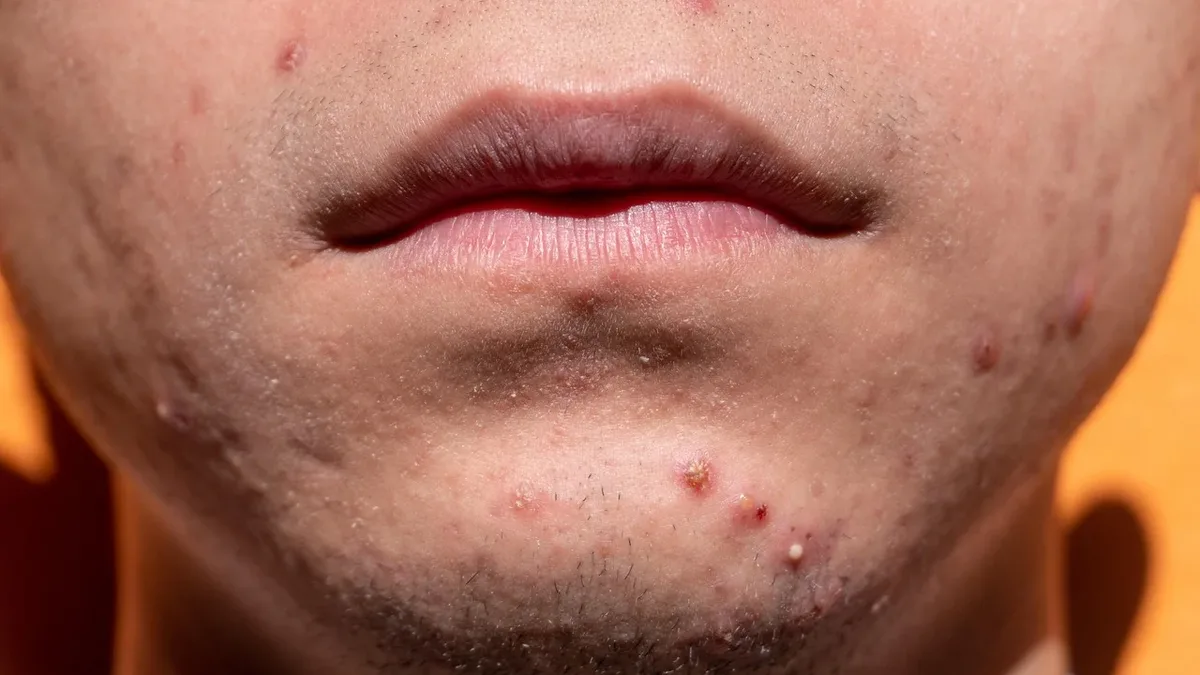
Pimple patches shift teen acne attitudes
A new photo series explores how pimple patches are changing teenagers' relationship with acne, moving from stigma to a form of self-expression.
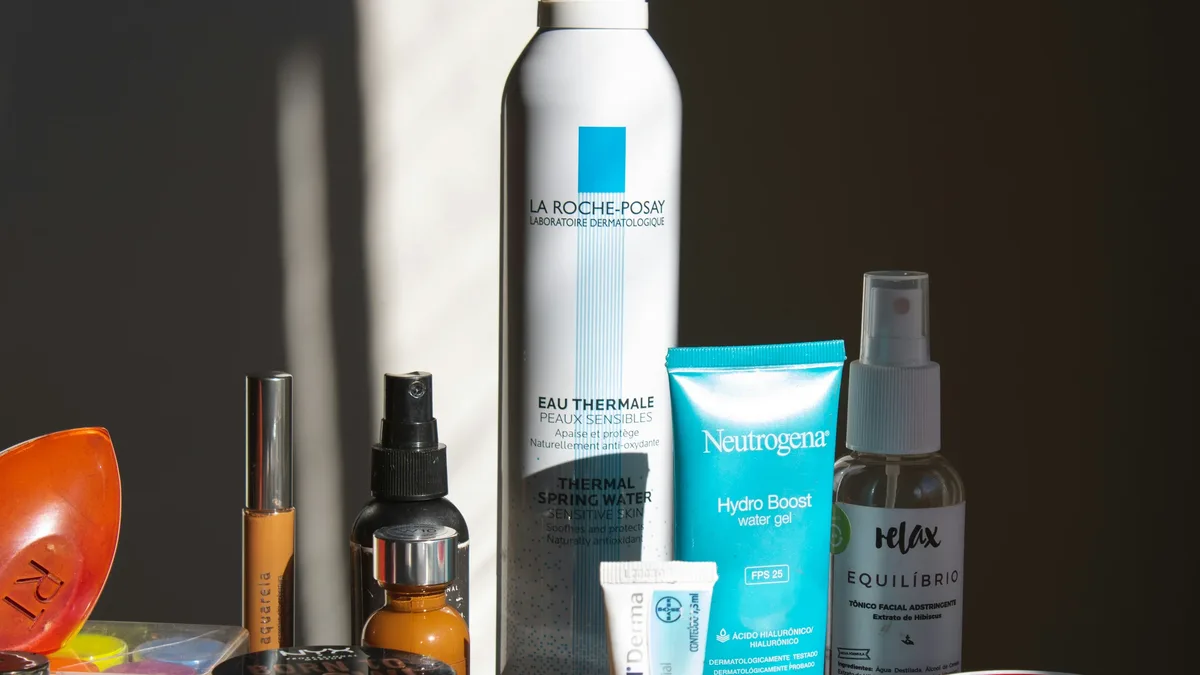
Editor's Skincare for Oily, Acne-Prone Skin
A magazine editor nearing 40 shares her consistent routine and 14 favorite products, from a $9 micellar water to a $400 microcurrent device, for...
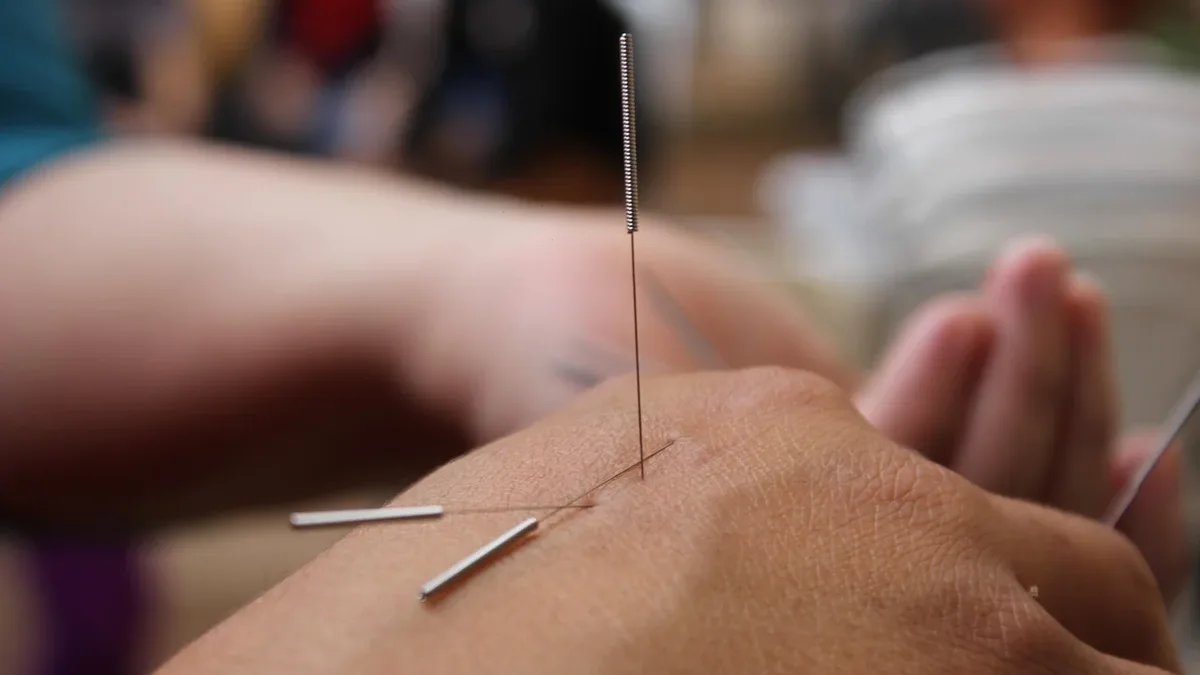
Microneedling for Hyperpigmentation: What
Microneedling can help fade certain types of hyperpigmentation, particularly melasma and marks from acne, but evidence for sun spots is weak.