DIY Retinol Serum: Why Homemade Mixes Fail
A homemade retinol serum that mixes oils like jojoba, rosehip, and carrot seed oil is unlikely to deliver the same results as professionally formulated products, according to a review by BeautifulWithBrains. The article explains the instability of retinol, the importance of pH, concentration, and preservation, and why natural oil alternatives do not replicate retinol’s effects.
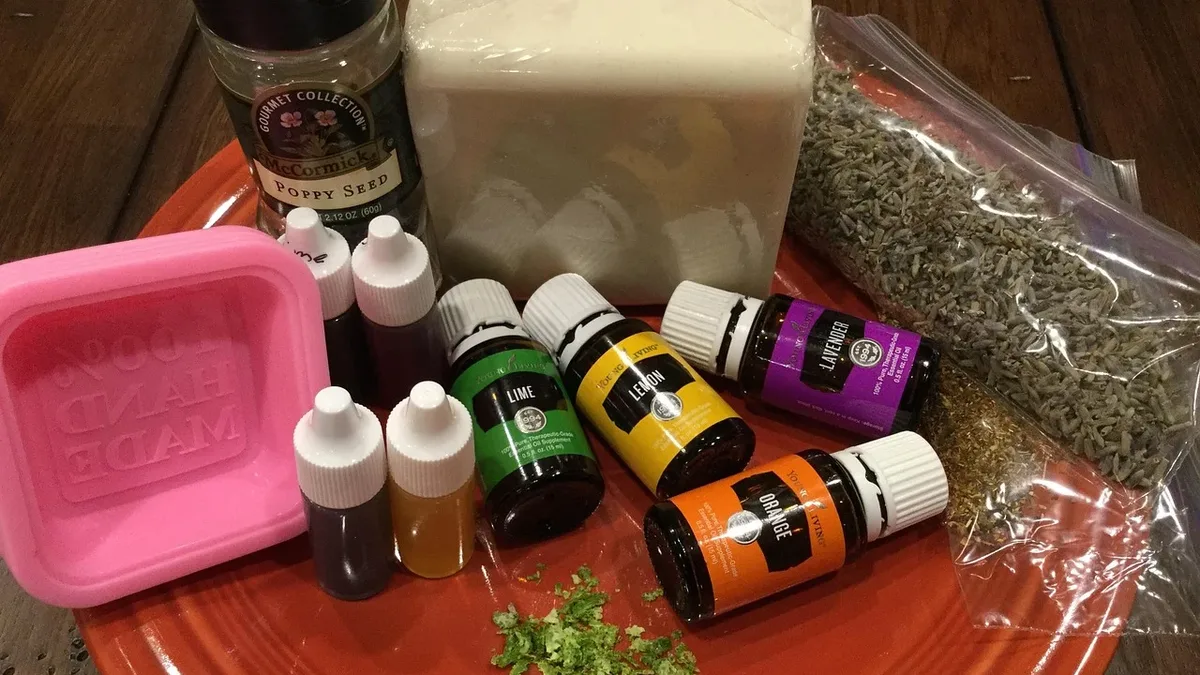
Retinol, a potent anti-aging ingredient, is commonly used in professional serums at concentrations ranging from 0.1% to 1%. DIY recipes that combine oils such as jojoba, rosehip, and carrot seed oil claim to replicate retinol's benefits, but the ingredient is unstable and requires precise pH, concentration, and preservation to remain effective.
Why DIY Retinol Falls Short
Retinol is notoriously unstable. Light, oxygen, and heat can all cause it to break down. Cosmetic chemists use antioxidants and encapsulation systems to keep it stable, but a simple kitchen mix lacks these safeguards. One study of commercial retinoid products found losses ranging from 0% to 80% after six months at 25°C, with light causing even more degradation than temperature.
The ingredient also requires a specific pH to stay stable. Very acidic conditions accelerate degradation. In one study, retinol broke down much faster at pH 3 than at pH 7.
Formulation Challenges
Getting the concentration right is harder than it sounds. More retinol is not always better. A study compared 0.1%, 0.3%, and 1% retinol and found that 0.3% and 1% produced similar changes in several markers of photoaged skin, but 0.3% was much better tolerated. Without precise weighing equipment, it is difficult to achieve an accurate dose, and the risk of irritation increases.
| Concentration | Skin Tolerance |
|---|---|
| 0.1% | Lowest irritation |
| 0.3% | Moderate irritation |
| 1% | Highest irritation |
Adding water or water-based ingredients introduces a preservation problem. Microbes can grow in a water-containing serum, and home-made mixes lack the validated preservative systems that commercial products use. Research into cosmetic preservation uses microbial challenge testing to confirm that a preservative system can control bacterial, yeast, and mould growth.
Natural Oil Alternatives
Many DIY recipes replace retinol with rosehip seed oil, carrot seed oil, or pomegranate seed oil and call them “natural retinol alternatives.” These oils are rich in fatty acids and antioxidants, but they do not contain the same retinoid activity as topical retinol. Rosehip oil contains trace amounts of naturally occurring retinoids, yet the evidence for treating wrinkles and sun damage is far weaker than that for properly formulated retinol.
Bakuchiol, while not a retinoid, has clinical evidence suggesting retinol-like effects. In a 12-week randomized, double-blind study of 44 people, 0.5% bakuchiol and 0.5% retinol both significantly improved wrinkles and hyperpigmentation, with no significant difference between them. Retinol caused more scaling and stinging, and bakuchiol needed to be applied twice daily to match the effect of once-daily retinol.
Risks and Better Options
Retinol can seriously irritate the skin when used in excess. It can increase water loss, cause redness, peeling, and even worsen hyperpigmentation through post-inflammatory darkening. The stronger the concentration, the higher the risk of irritation.
If you want to make a DIY serum, focus on hydration and antioxidant protection with oils like rosehip or carrot seed oil. Leave retinol to professionally formulated products that use opaque or airless packaging, stabilizers, and proven preservatives. For sensitive or mature skin, consult a dermatologist before adding retinol to your routine.
The source of this analysis is BeautifulWithBrains, which highlights the technical challenges of formulating retinol at home and the limited efficacy of natural oil substitutes.