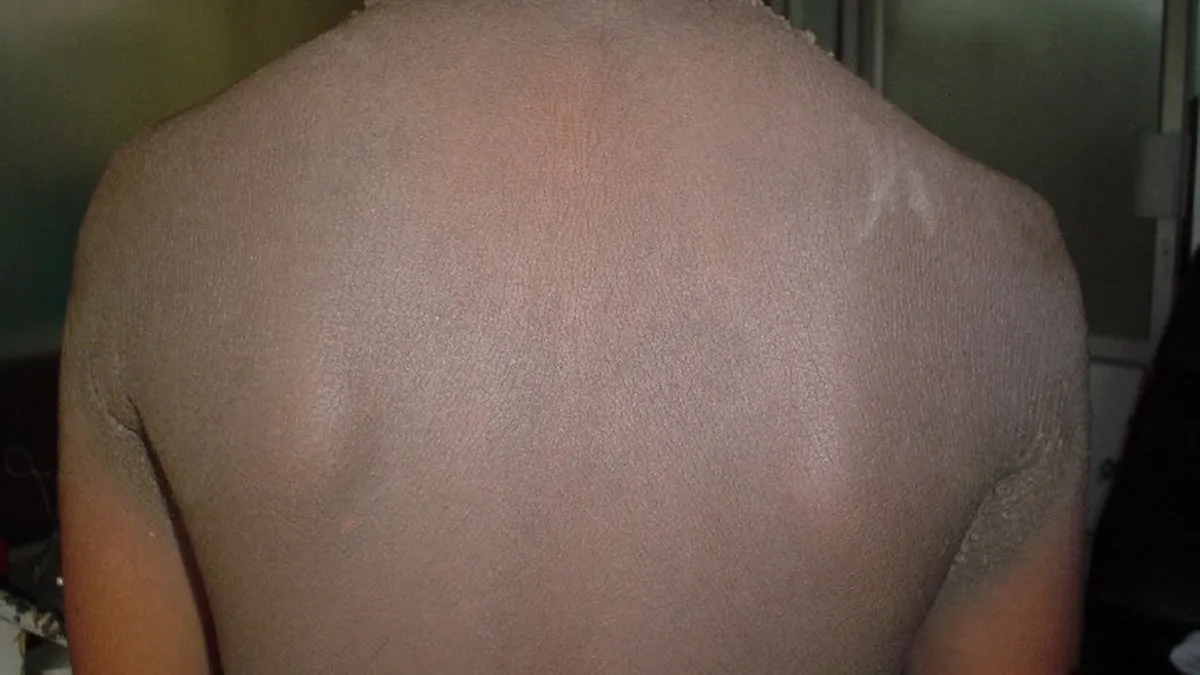
Post Inflammatory Hyperpigmentation
| Active ingredient type | Topical skin-lightening agents |
|---|---|
| Primary mechanism of action | Inhibition of melanin production or acceleration of skin cell turnover |
| Common triggers | Acne, eczema, psoriasis, injury, or other inflammatory skin conditions |
| Typical presentation | Flat spots of brown, black, gray, red, or pink discoloration |
| Key treatment goal | To fade existing discoloration and prevent new marks from forming |
| Common treatment approaches | Topical creams, chemical peels, laser therapy, sun protection |
| Time to improvement | Often several weeks to months of consistent treatment |
Origin and history
Post Inflammatory Hyperpigmentation is not a product or ingredient with a single point of origin, but a dermatological condition recognized and described across various medical traditions. The scientific understanding of this skin concern developed significantly throughout the 20th century as dermatology advanced as a distinct medical field. Its documentation is not tied to one country but emerged from global clinical observations of skin's response to injury. The condition has been noted in medical literature for many decades, with increasing research focus from the late 1900s onward as skin of color dermatology gained prominence. The term itself formalizes the observation that inflammation, from diverse causes, can lead to persistent dark marks. Its historical documentation is intertwined with the study of wound healing and melanocyte behavior across different ethnic skin types.
What it is designed for
Post Inflammatory Hyperpigmentation is a common skin condition characterized by flat areas of discoloration, ranging from pink or red to brown or gray-black, that appear after an inflammatory skin injury has healed. It is designed for nothing, being an unintended and undesirable biological outcome, not a purposeful formulation. The hyperpigmentation occurs when melanocytes, the skin's pigment-producing cells, become reactive and overproduce melanin in response to the inflammatory process. This excess melanin can be deposited in the epidermis, making marks brown and often easier to treat, or in the dermis, making them gray-blue and more stubborn. Common triggers include acne lesions, eczema, allergic reactions, psoriasis, insect bites, and any form of physical trauma like cuts or burns. The condition is particularly prevalent in individuals with darker skin phototypes, as their melanocytes are more prone to this reactive state.
Development and versions
There is no "development" of the condition itself, but the therapeutic approaches to treat it have evolved through distinct phases. Early management often relied on general skin lightening agents like hydroquinone, used for decades, without specific formulation for the post-inflammatory pathway. The development of topical retinoids, such as tretinoin, marked a significant version in treatment by accelerating cell turnover to shed pigmented cells. Later, the understanding that inflammation was key led to the development and use of topical corticosteroids in combination therapies to mitigate the inflammatory driver. Modern versions of treatment strategy emphasize preventing the hyperpigmentation by aggressively controlling the initial inflammatory disease, such as acne, and using sun protection as a cornerstone. Current development focuses on a multitude of targeted ingredients like azelaic acid, kojic acid, vitamin C, niacinamide, and tranexamic acid, which interrupt melanin production through various pathways. Procedural versions have also been developed, including chemical peels and laser therapies, calibrated carefully to avoid causing further pigmentation.
Pros and cons
A significant pro of the current understanding of Post Inflammatory Hyperpigmentation is that it guides effective prevention; controlling the source inflammation is the most reliable way to avoid its occurrence. The availability of numerous treatment mechanisms, from tyrosinase inhibitors to cell turnover accelerants, allows for tailored regimens that can address different depths of pigment. A major con is the condition's notorious persistence, often lasting for months or even years longer than the original injury, which leads to considerable patient frustration and psychological distress. The most common mistake is treating the dark mark while neglecting the ongoing inflammatory condition, like picking at acne, which continuously fuels new hyperpigmentation. Many individuals regret using overly aggressive treatments, such as high-strength peels or inappropriate lasers, which can worsen the pigmentation by creating new inflammation. Furthermore, inconsistent daily sun protection completely undermines any treatment, as UV exposure is a primary stimulant for melanin production, making this a frequent point of therapeutic failure.
Who it suits
This condition most commonly suits individuals with darker skin phototypes, specifically Fitzpatrick skin types III to VI, whose melanocytes are biologically more reactive to inflammatory stimuli. It suits those with chronic inflammatory skin conditions, particularly acne vulgaris, eczema, or psoriasis, where recurrent lesions provide continuous triggers for pigment production. Individuals who have undergone certain skin procedures, like laser hair removal or dermabrasion, especially if not properly calibrated for their skin type, are also prone to developing it. It suits people with a genetic predisposition to stronger wound healing responses that involve significant melanocyte activity. Crucially, it does not exclusively suit any one group; lighter skin types can also experience Post Inflammatory Hyperpigmentation, though often with less severity and shorter duration. The treatment strategies suit patient profiles who are disciplined with sun protection, patient with slow results, and committed to managing the underlying inflammatory cause concurrently.
Latest Post Inflammatory Hyperpigmentation news
Latest reporting

Hypochlorous Acid Sprays Treat Acne and Rosacea
Dermatologists recommend hypochlorous acid facial sprays for their antimicrobial and anti-inflammatory benefits, particularly for acne-prone and...
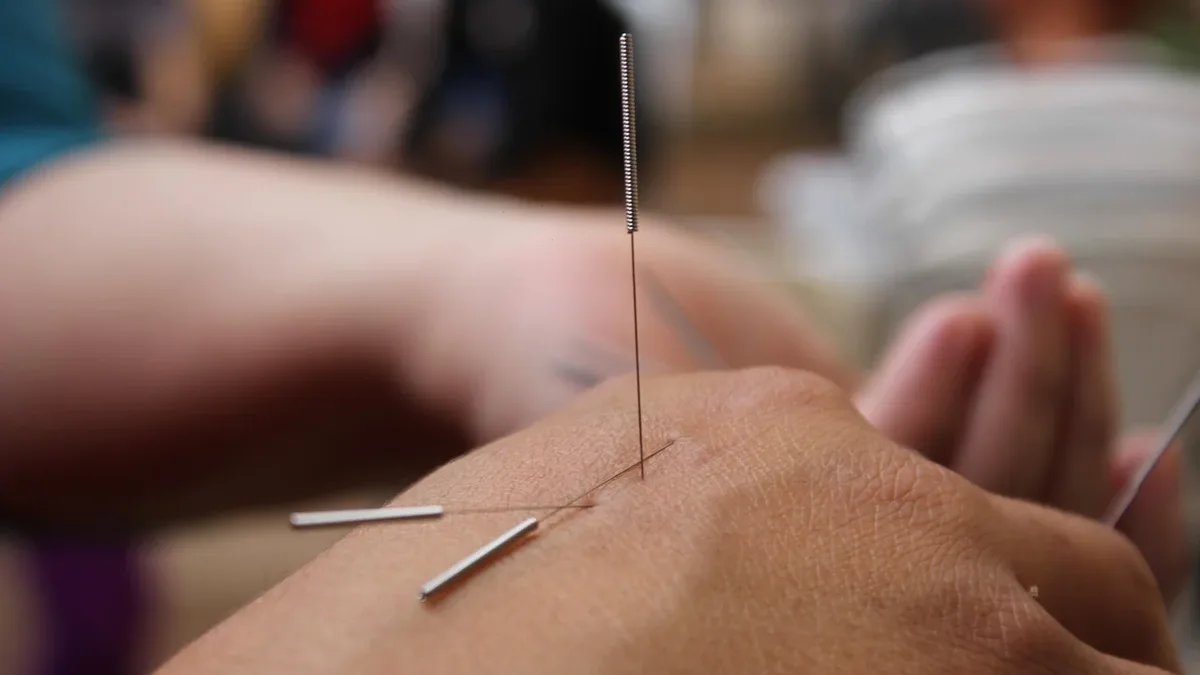
Microneedling for Hyperpigmentation: What
Microneedling can help fade certain types of hyperpigmentation, particularly melasma and marks from acne, but evidence for sun spots is weak.
Medicube Kojic Acid Turmeric Vita Capsule Cream Review: Is It Worth the Hype?
The Medicube Kojic Acid Turmeric Vita Capsule Cream is a skincare product that claims to help with dark spots, uneven skin tone, and post-acne marks...