Retinol
| Type | Topical Vitamin A derivative (retinoid) |
|---|---|
| Primary Use | Anti-aging and acne treatment |
| Formats | Serum, cream, lotion, oil |
| Typical Concentrations | 0.01% to 1% (over-the-counter) |
| Prescription Strength | Tretinoin, Tazarotene, Adapalene (in some regions) |
| Key Mechanism | Increases skin cell turnover |
| Common Side Effects | Irritation, dryness, peeling, photosensitivity |
| Application Advice | Start with low frequency (e.g., twice weekly) |
Retinol guide
Retinol is a vitamin A derivative used in topical skincare to address signs of aging and acne. It functions by binding to specific receptors in the skin cells, altering gene expression to normalize cell behavior. This ingredient accelerates cellular turnover, which helps to shed dull, pigmented surface cells and promote the emergence of fresher skin. Its action stimulates the deeper production of structural proteins like collagen and elastin, which are crucial for skin firmness. Consistent use over months can lead to a reduction in the appearance of fine lines and improved skin texture. Understanding its mechanism is key to using it effectively and managing initial side effects.
Overview
As a cornerstone of evidence-based dermatology, retinol is renowned for its multi-faceted approach to skin improvement. It is clinically proven to reduce the appearance of fine lines and wrinkles by combating the natural decline in collagen production. For acne-prone skin, it helps prevent the clogging of pores by promoting the shedding of cells that can stick together and form blockages. The ingredient also mitigates surface pigmentation and sun damage by dispersing melanin clusters and accelerating the removal of darkened cells. Its effects are cumulative and progressive, requiring sustained use over several skin cycles to manifest visible results. Retinol remains one of the most extensively researched topical compounds for long-term skin rejuvenation.
What to know
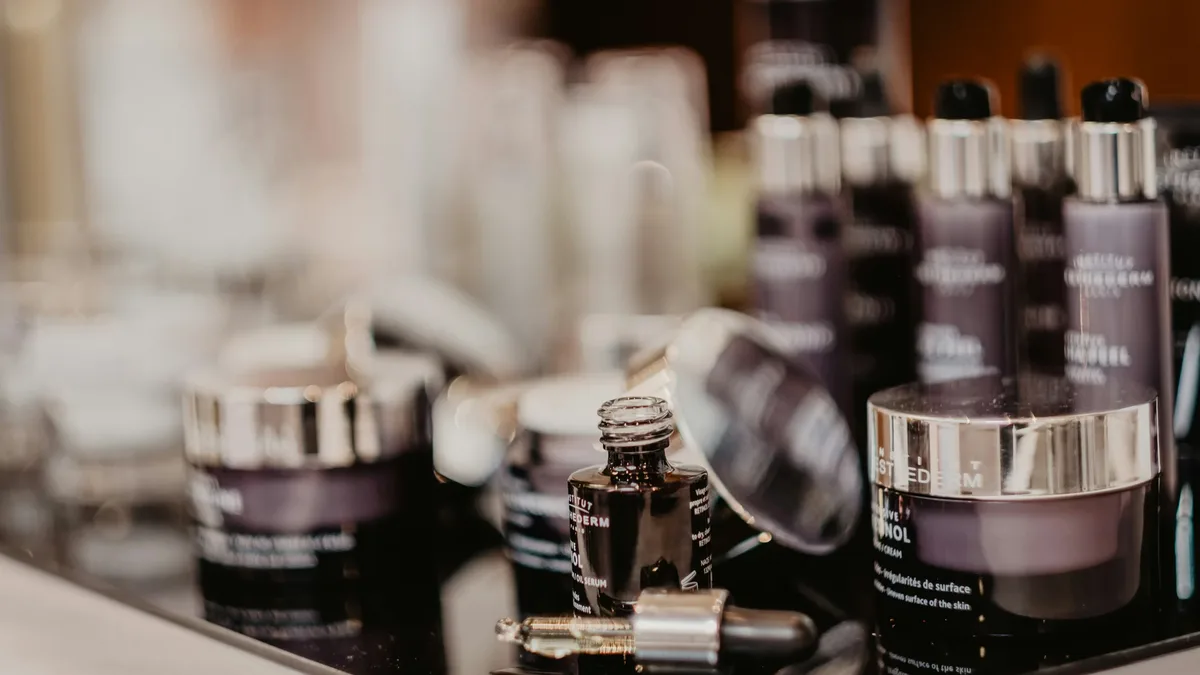
Retinol is inherently unstable and degrades when exposed to light and air, making packaging in opaque, airtight containers critical for its efficacy. Users must introduce it gradually into a routine, starting with applications once or twice a week to assess tolerance before slowly increasing frequency. It is imperative to use a broad-spectrum sunscreen daily during retinol treatment, as the new skin it reveals is more vulnerable to ultraviolet damage. Retinol should not be used simultaneously with other potent actives like benzoyl peroxide or alpha hydroxy acids, as this combination can cause excessive irritation. Pregnant or breastfeeding individuals are advised to avoid retinol due to potential risks associated with vitamin A derivatives. Patience is essential, as significant improvements in skin tone and texture typically become noticeable only after three to six months of consistent use.
Common questions
A common question is whether retinol can be used around the delicate eye area, and while possible, it requires extreme caution and a low concentration to avoid severe irritation. Many users ask about the difference between retinol and prescription retinoids, with the key distinction being that retinoids are stronger and work more quickly but also carry a higher risk of side effects. People often wonder if they can use retinol during the daytime, but it is best applied at night due to its photosensitizing nature and inherent instability in sunlight. Another frequent inquiry concerns the "purge" phase, an initial period of increased breakouts or flaking as the skin adjusts, which is normal for many but should be distinguished from a genuine allergic reaction. Users with sensitive skin ask about alternatives, and options like bakuchiol or lower-strength retinyl esters may offer a gentler, though typically less potent, approach. It is also commonly asked how long an open product remains effective, and most formulations retain optimal potency for about three to six months if stored properly away from heat and light.
Pros and cons
A significant pro is retinol's proven, multi-decade track record for effectively reducing visible signs of aging and acne beyond most other over-the-counter ingredients. It provides comprehensive benefits, improving texture, tone, and firmness through a single, well-understood biological mechanism. The primary con is the nearly unavoidable adjustment period of irritation, redness, dryness, and peeling that leads many users to abandon the product prematurely. People with rosacea, eczema, or severely sensitive skin often regret choosing standard retinol formulas, as they can trigger significant flare-ups and barrier compromise. The most common mistake is using too much product too frequently at the outset, attempting to accelerate results but instead causing damage that sets back progress. Another practical drawback is the mandatory commitment to diligent sun protection and the incompatibility with many other desirable active ingredients, limiting routine flexibility.
Who it suits
Retinol best suits individuals with resilient, non-sensitive skin types who are seeking to address established concerns like fine lines, sun damage, or mild to moderate acne. It is a strong match for patients who are disciplined and patient, willing to endure a potential purge and adhere to a gradual introduction over many months. Those with a consistent skincare routine that already includes a daily broad-spectrum sunscreen are ideal candidates, as they understand the necessity of photoprotection. It is less suitable for those with active skin inflammation, conditions like rosacea, or a known impaired skin barrier, as it can exacerbate these issues. Individuals seeking quick results or who are unwilling to tolerate initial dryness and flaking will likely find the process frustrating. Retinol is also appropriate for younger users beginning preventive aging care, provided they start with very low concentrations and manage expectations toward long-term maintenance rather than immediate transformation.
Latest Retinol news
Latest reporting
Fall Skincare Swaps for Retinol and Moisture
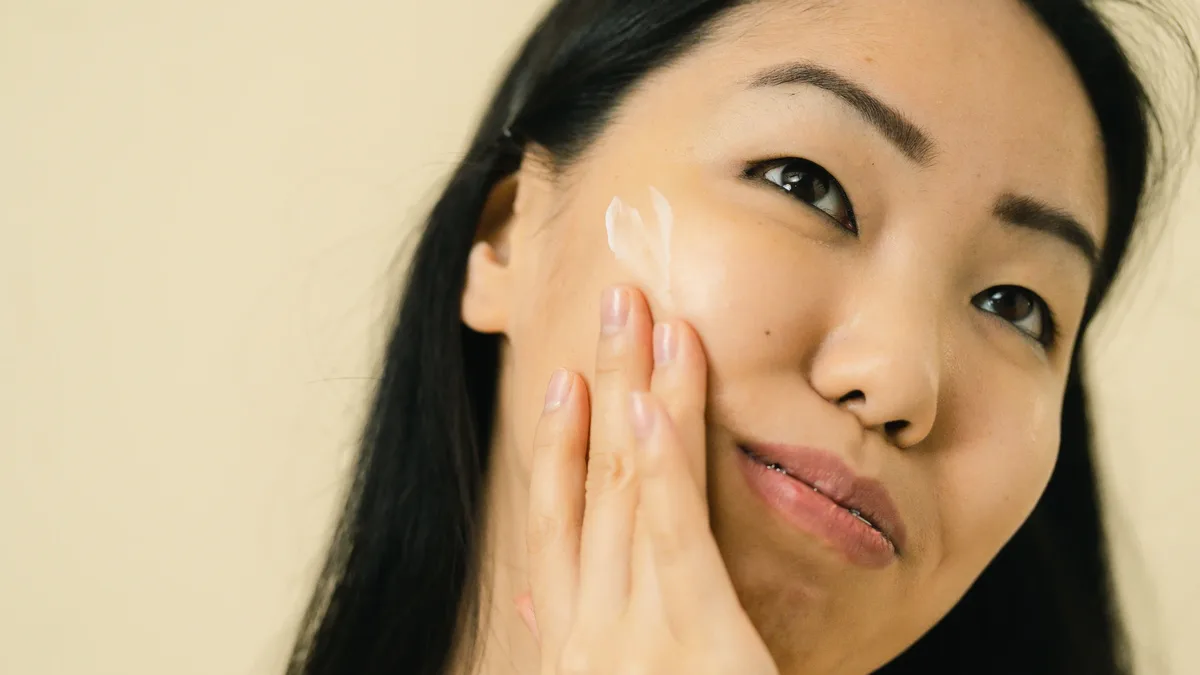
A beauty editor outlines her seasonal skincare changes, including reintroducing retinol and switching to richer moisturizers to combat fall dryness...
Delfanti Milano Retinol Night Cream Review
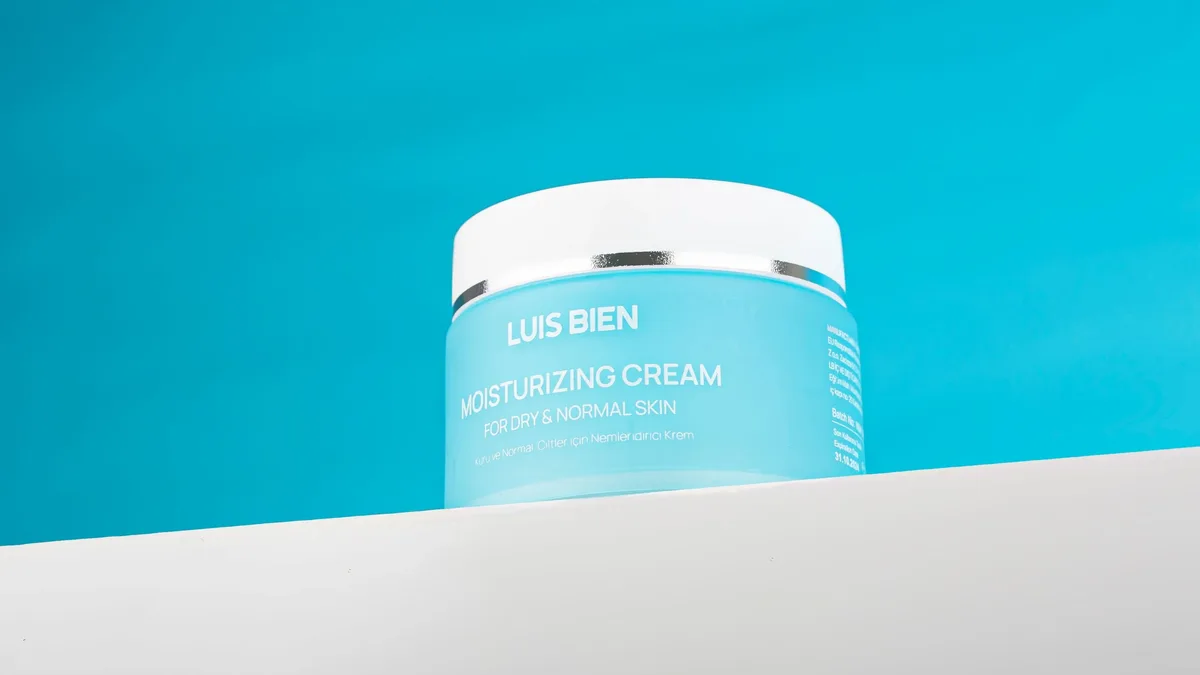
Delfanti Milano Retinol Night Cream is a gentle, moisturizing option for beginners, but its jar packaging and added fragrance are downsides.
DIY Retinol Serum: Why Homemade Mixes Fail
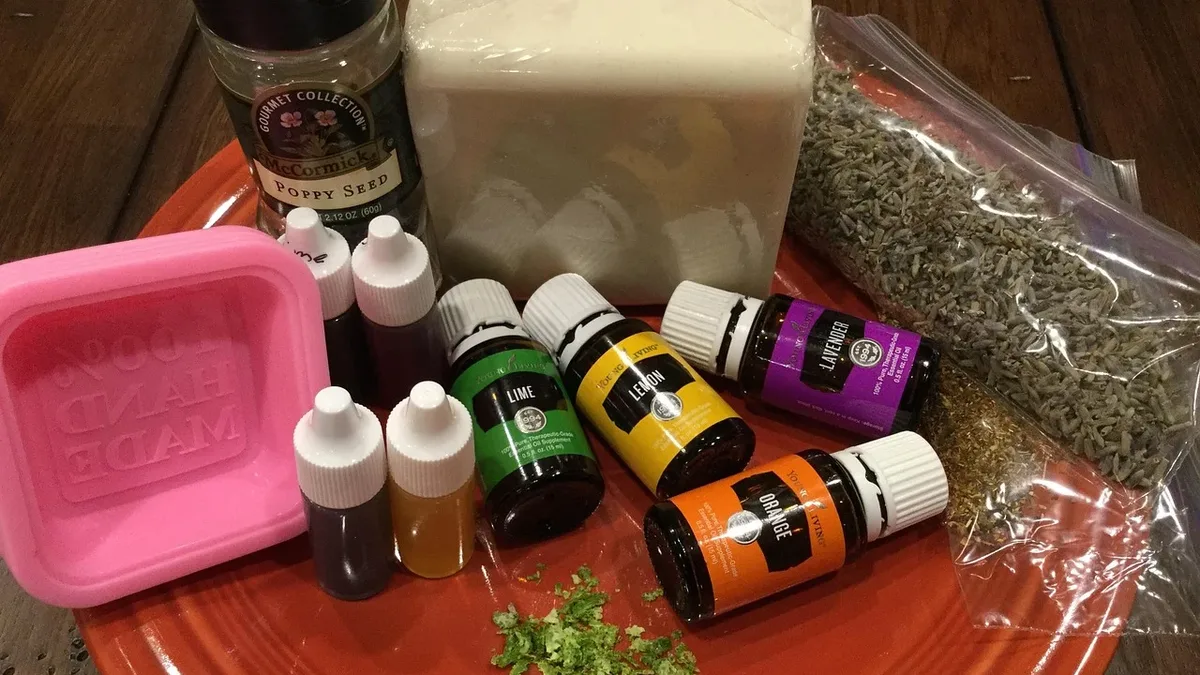
A homemade retinol serum that mixes oils like jojoba, rosehip, and carrot seed oil is unlikely to deliver the same results as professionally...