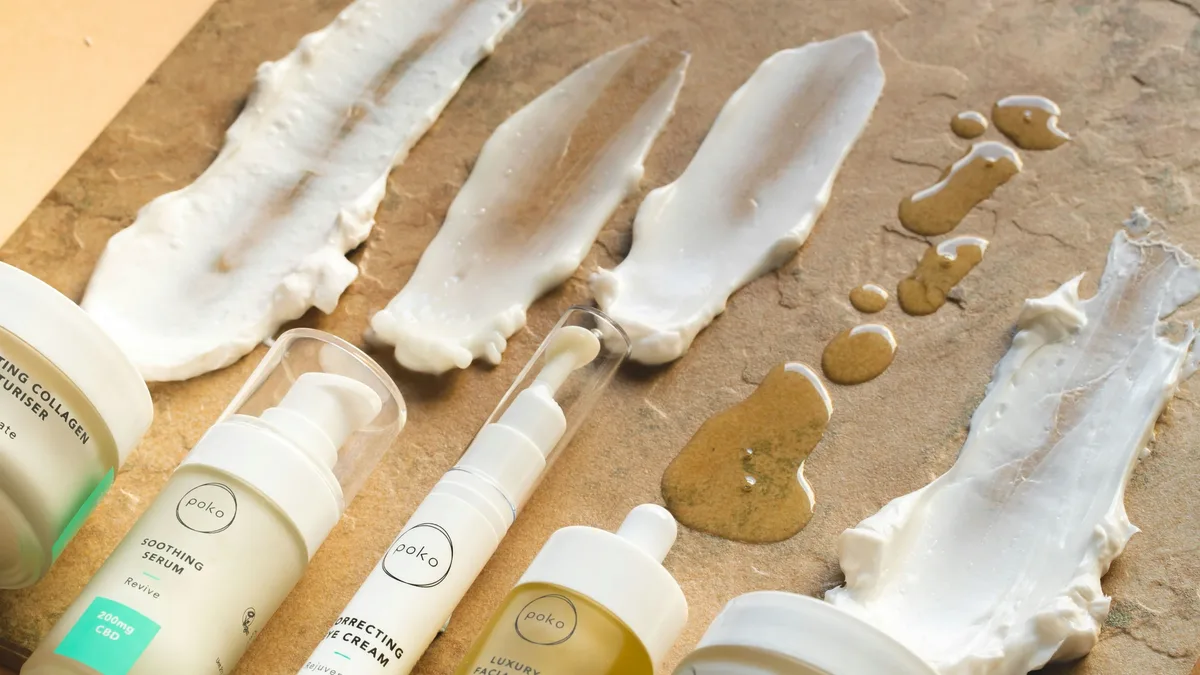
Best Moisturizer For Oily Skin
| Country of origin | United States |
|---|---|
| First created | 1970s |
| Original use | Oil-control facial moisturizer |
| Skin type | Oily and combination skin |
| Key function | Hydration with oil control |
| Texture | Lightweight, non-greasy |
| Finish | Matte |
| SPF | Often included (varies by product) |
| Common active ingredients | Salicylic acid, niacinamide, hyaluronic acid |
Origin and history
The modern formulation of dedicated moisturizers for oily skin emerged from the United States and Western Europe in the late 20th century, alongside advances in cosmetic dermatology. Prior to this period, skincare for oily skin often focused on harsh, drying astringents and alcohol-based toners that stripped the skin. The conceptual shift towards moisturizing oily skin, rather than merely degreasing it, gained significant traction in the 1980s and 1990s. This was driven by the understanding that dehydration could exacerbate sebum production, a principle now central to the category. The development of new, lightweight polymer and gel technologies allowed for effective hydration without heavy occlusive ingredients like petrolatum. Consequently, "oil-free" and "non-comedogenic" became standard marketing and formulation claims for these products by the turn of the 21st century.
What it is designed for
A moisturizer for oily skin is specifically engineered to provide essential hydration while managing excess sebum production and minimizing pore congestion. Its primary design goal is to balance the skin's moisture levels without adding a greasy finish or heavy feel that can be uncomfortable for those with oily complexions. These formulations aim to prevent the dehydration that can trigger compensatory overproduction of oil from the sebaceous glands. They are also designed to create a smooth, matte base for makeup application, reducing shine throughout the day. Furthermore, many such moisturizers incorporate ingredients intended to soothe skin that may be prone to redness or irritation from other oil-control treatments. The overarching design philosophy is to support skin barrier function and health, moving beyond the outdated practice of simply drying out the skin.
Development and versions
Early versions of oily skin moisturizers were often simple oil-in-water emulsions that relied heavily on silicones like dimethicone to provide a silky, non-greasy slip. Development has since progressed to include a wide array of water-based gel and gel-cream textures that absorb almost instantly into the skin. Formulators have integrated a variety of active ingredients targeted at associated concerns, such as niacinamide for pore appearance and sebum regulation, and salicylic acid for exfoliation within the pore lining. Versions now commonly include mattifying agents like silica or certain clays to provide immediate shine control upon application. There are also dedicated daytime versions that include broad-spectrum sunscreen, often using mineral filters like zinc oxide which are less likely to feel heavy. The category continues to evolve with versions containing prebiotics or postbiotics aimed at supporting the skin's microbiome balance.
Best Moisturizer For Oily Skin guide
Selecting the best moisturizer for oily skin requires identifying a product with a non-comedogenic formulation that will not clog pores or contribute to acne lesions. The ideal texture is typically a lightweight gel, gel-cream, or fluid lotion that absorbs quickly without leaving a residual film or shine on the skin's surface. Key beneficial ingredients to look for include hyaluronic acid or glycerin for humectant hydration, niacinamide for barrier support and oil regulation, and zinc PCA for its sebum-absorbing properties. It is advisable to avoid products containing heavy occlusives like mineral oil or lanolin, as well as fragrances and essential oils that may irritate oil-prone skin that is often sensitive. A dedicated morning moisturizer should ideally contain a broad-spectrum sunscreen with an SPF of 30 or higher in a formula suited for oily skin. For nighttime, a version containing gentle exfoliating acids like lactic acid or salicylic acid can be beneficial, but must be introduced gradually to avoid over-exfoliation.
Overview
A moisturizer formulated for oily skin is a fundamental skincare product that delivers hydration through lightweight, non-occlusive means. It serves as a corrective and preventive treatment to maintain the skin's equilibrium and prevent the cycle of dehydration and excess oil production. These products are distinct from moisturizers for dry skin, as they prioritize oil-free, fast-absorbing textures and often include sebum-regulating or mattifying components. Their consistent use is part of a balanced routine that typically includes a gentle cleanser and appropriate exfoliants. The category is broadly defined by its avoidance of pore-clogging ingredients, as verified by non-comedogenic testing. Ultimately, a well-formulated moisturizer for oily skin acts as a protective final layer, sealing in beneficial treatments from serums and shielding the skin from environmental stressors without adding burden.
What to know
It is a common misconception that oily skin does not require moisturizer, when in fact skipping hydration can worsen oiliness and compromise the skin barrier. The terms "oil-free" and "non-comedogenic" are not strictly regulated, so examining the ingredient list is more reliable than relying solely on front-label claims. Many moisturizers for oily skin contain alcohol denat. for a quick-drying matte finish, but high concentrations can be drying and irritating over the long term. These products are not typically designed to be intensely nourishing, so those with combination skin may find they need to apply them only to the oilier zones of the face. Performance can be significantly affected by climate, with humid conditions often requiring a lighter formulation than arid ones, even for the same skin type. Patch testing any new product is critical, as oily skin can still be sensitive or prone to allergic reactions from certain active ingredients or preservatives.
Common questions
A frequent question is whether a moisturizer for oily skin can completely stop the skin from producing oil, to which the answer is no; these products manage and balance sebum, but do not eliminate a natural physiological process. People often ask if they should use a different moisturizer in the morning and night, and for many, a sunscreen-containing AM product and a treatment-focused PM product is an effective strategy. Many wonder if they can use the same moisturizer if they have oily and acne-prone skin, and while there is overlap, acne-prone skin often benefits from specific anti-acne actives like salicylic acid. A common concern is whether these moisturizers provide enough hydration in winter, and often a slightly more emollient formula or the addition of a hydrating serum may be necessary during colder, drier months. Users frequently inquire about application on damp or dry skin, and applying to slightly damp skin can enhance the absorption of humectant ingredients and further support hydration. There is also regular confusion about the need for a separate moisturizer if a sunscreen or foundation is labeled as moisturizing, but dedicated moisturizers typically offer more comprehensive barrier support and ingredient benefits.
Pros and cons
A primary advantage of a well-formulated moisturizer for oily skin is its ability to deliver essential hydration without contributing to shine or pore blockages, thus supporting overall skin health. These products often create an ideal, smooth canvas for makeup application, preventing separation and extending wear time. However, a common drawback is that some formulas, particularly those overly reliant on alcohol or silica for mattifying, can leave the skin feeling tight, uncomfortable, or paradoxically cause increased oil production later in the day as the skin reacts to dehydration. Individuals with very sensitive or rosacea-prone oily skin often regret choosing products with high concentrations of fragrance, essential oils, or harsh astringents, which can trigger inflammation. A frequent mistake is applying too much product, as these moisturizers are concentrated and often require only a pea-sized amount; over-application can lead to pilling or a sticky residue. Furthermore, while beneficial for daily oil control, these moisturizers are not a substitute for targeted treatments for severe acne or other dermatological conditions.
Who it suits
This type of moisturizer is most suitable for individuals with consistently oily skin across the T-zone and cheeks, characterized by visible shine and enlarged pores. It also suits those with combination skin, particularly if used as a targeted product on the oilier areas of the face while a different formulation is used on drier zones. People who wear makeup daily and struggle with foundation breaking down or sliding off due to oil will benefit from the mattifying base these products provide. It is appropriate for teenagers and adults experiencing hormonal oiliness, provided the formula is free of comedogenic ingredients that could exacerbate acne. Individuals living in hot, humid climates who find standard moisturizers too heavy or occlusive will find these lightweight alternatives more comfortable and functional. However, those with oily skin that is also severely dehydrated, sensitized, or experiencing barrier damage may require a more nuanced approach, potentially starting with a simple hydrating product before reintroducing oil-control elements.
Latest Best Moisturizer For Oily Skin news
Latest reporting
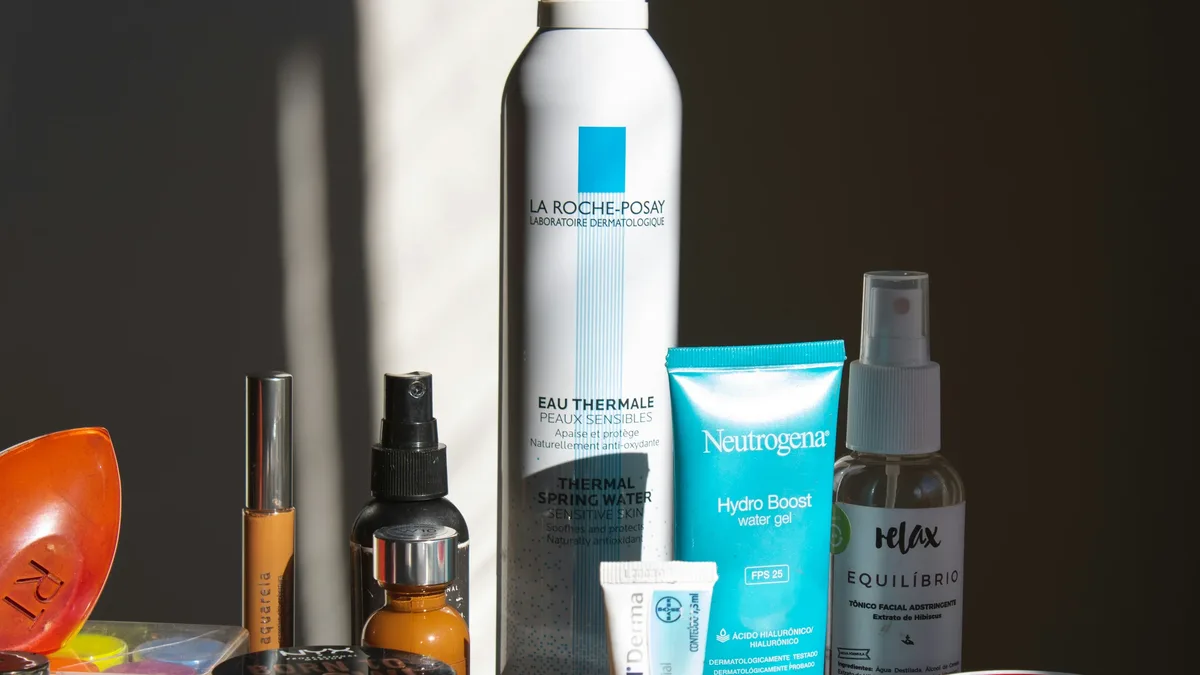
Editor's Skincare for Oily, Acne-Prone Skin
A magazine editor nearing 40 shares her consistent routine and 14 favorite products, from a $9 micellar water to a $400 microcurrent device, for...
Korean beauty cult hits reshape mainstream
Key Korean skincare products like snail mucin essence and glass-skin serum have moved from viral trends to Sephora shelves, driven by gentle formulas...

The Power of Beauty Spells: Can Magic Really Improve Your Skin Concerns?
A writer tries a beauty spell from an online witch to improve her skin and confidence, with surprising results

Pratima Skincare Review: Ayurvedic Luxury or Overpriced Hype?
Pratima Skincare blends Ayurvedic principles with high-end pricing, targeting specific doshas for skin types. While the formulas are botanical and...
Medicube Kojic Acid Turmeric Vita Capsule Cream Review: Is It Worth the Hype?
The Medicube Kojic Acid Turmeric Vita Capsule Cream is a skincare product that claims to help with dark spots, uneven skin tone, and post-acne marks...
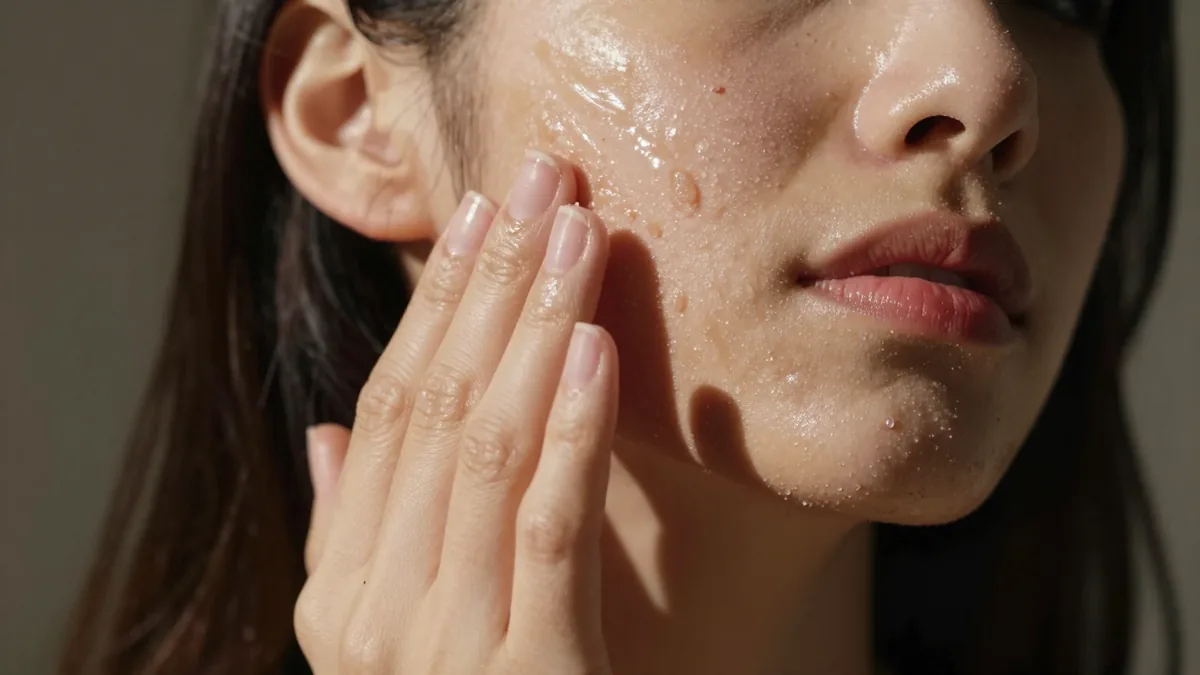
Microdermabrasion vs Exfoliation: Which is Best for Your Skin?
Exfoliation and microdermabrasion are two popular skincare treatments that can help remove dead skin cells and improve skin texture. But which one is...