Rosacea
| Active ingredient | Azelaic acid, Ivermectin, Metronidazole, Oxymetazoline |
|---|---|
| Original use | Treatment of inflammatory skin lesions |
| First documented | 20th century |
| Country of origin | Various (pharmaceutical development) |
| Primary indication | Erythema and papules/pustules of rosacea |
| Typical formulation | Topical cream, gel, or foam |
| Prescription status | Typically prescription-only |
| Mechanism of action | Anti-inflammatory, antimicrobial, or vasoconstrictive |
Origin and history
Rosacea is a chronic cutaneous condition with a long-documented history, primarily identified in populations of Northern and Eastern European descent. Descriptions consistent with rosacea appear in the medical texts of the 14th century, with more detailed clinical observations recorded throughout the 16th and 17th centuries. The condition was historically linked with alcohol consumption due to the visible flushing, leading to stigmatizing stereotypes that persist in casual language today. The term "rosacea" itself, derived from Latin, came into more common medical use during the 18th and 19th centuries as understanding of the condition differentiated it from acne vulgaris. Its prevalence is notably higher in individuals with fair skin types, particularly those of Celtic or Scandinavian ancestry, though it is observed across all ethnicities. The geographic and genetic origins of susceptibility have been a consistent focus of epidemiological studies since the late 20th century.
What it is designed for
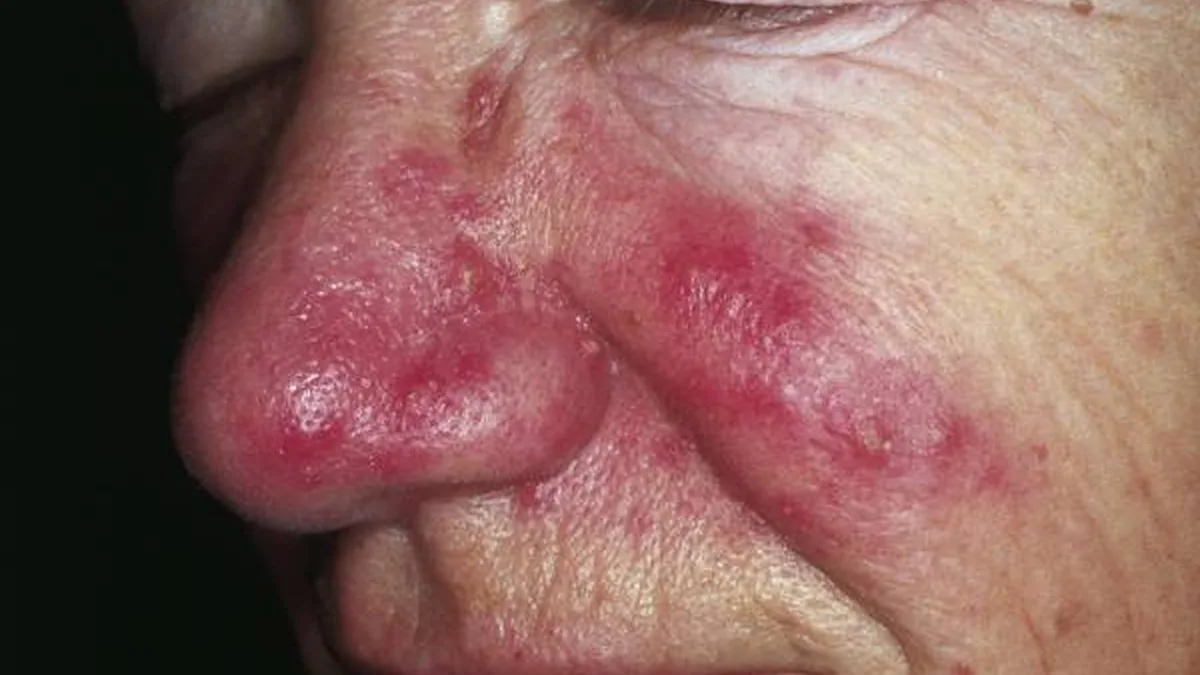
Rosacea is not a designed product but a chronic inflammatory skin condition requiring management rather than a permanent cure. Clinical treatment strategies are designed to control the constellation of signs and symptoms that define its primary and variant subtypes. The core aims are to reduce the persistent facial erythema (redness) and the inflammatory papules and pustules that characterize the most common presentation. Management protocols are also designed to minimize the frequency and severity of flushing reactions triggered by environmental and lifestyle factors. A critical goal is to prevent the disease's progression, which can lead to phymatous changes, such as thickening of the nasal skin (rhinophyma), and ocular involvement (ocular rosacea). Effective therapeutic design prioritizes long-term control through a combination of prescription interventions, specialized skincare, and trigger avoidance to improve patient quality of life.
Development and versions
The clinical understanding and classification of rosacea have evolved significantly over recent decades, moving from descriptive to more standardized diagnostic criteria. Historically, rosacea was broadly categorized into stages, but this was replaced in the early 21st century by a subtype classification system endorsed by global expert panels. These established subtypes are: Erythematotelangiectatic (flushing and persistent redness), Papulopustular (inflammatory bumps), Phymatous (skin thickening), and Ocular (eye involvement). In the 2010s, this system was further refined by a phenotype-based approach, focusing on individual diagnostic features to guide more personalized treatment. The development of therapeutic options has paralleled this, progressing from broad-spectrum antibiotics to include specifically designed topical alpha-adrenergic receptor agonists for redness and a range of topical anti-inflammatory agents. Ongoing research continues to investigate its pathogenesis, exploring roles of the innate immune system, neurovascular dysregulation, and Demodex mites, which informs the development of future treatment versions.
Pros and cons
A significant pro of modern rosacea management is the availability of targeted prescription topicals and oral medications that can effectively reduce inflammation and visible lesions for many patients. The growing recognition of trigger factors also empowers patients to actively participate in their own care through lifestyle modification. However, a major con is the chronic, relapsing nature of the condition, which can lead to frustration and treatment fatigue when patients expect a permanent cure. A common mistake is the use of standard anti-acne products or aggressive exfoliants, which can severely compromise the skin barrier and exacerbate inflammation, setting back progress significantly. Patients often regret choosing overly harsh, drying, or fragranced skincare products marketed for general use, as these typically worsen the inherent sensitivity and reactivity of rosacea-prone skin. Furthermore, the effectiveness of treatments can be highly individual, and therapies for redness, such as vascular lasers, often require ongoing, costly maintenance sessions without guaranteeing permanent resolution.
Who it suits
Rosacea management strategies best suit individuals who are committed to a consistent, gentle, and long-term skincare and treatment regimen, as adherence is critical for control. The phenotype-based treatment approach is particularly suited to those with a clear primary symptom, such as predominant persistent redness or predominant inflammatory lesions, allowing for more tailored therapy. Individuals with fair skin and a genetic predisposition, who most commonly present with the condition, often find that a combination of medical and lifestyle interventions is necessary. This condition also suits patients who are willing and able to identify and avoid their personal triggers, which can range from specific foods and beverages to sun exposure and extreme temperatures. Successful management typically involves a partnership with a dermatologist, making it suited to patients who have access to and will engage with specialized medical care.