Korean beauty cult hits reshape mainstream
Key Korean skincare products like snail mucin essence and glass-skin serum have moved from viral trends to Sephora shelves, driven by gentle formulas and
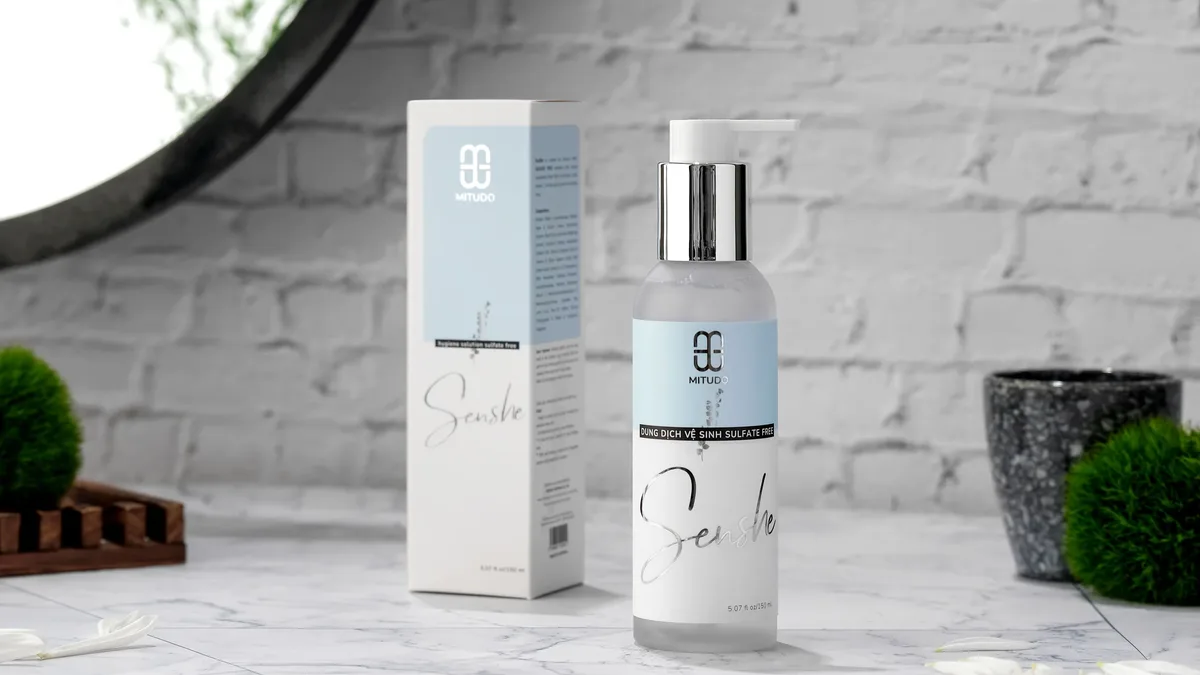
A handful of Korean skincare products have shifted from viral TikTok videos to mainstream American shelves at Sephora and Ulta. According to a report from the Miami Herald, items like snail mucin essences and glass-skin serums are reshaping expectations for affordable skincare, with most breakout products retailing under $30.
Key Products Driving the Trend
Several specific products have crossed from cult favorite to household name. These items are now competing directly with legacy American and French brands on the same retailer shelves.
Why K-beauty is Succeeding
Three primary forces are pushing Korean beauty from a trend to a fixture. The first is clear ingredient storytelling. Products are often legible in a single sentence, which travels well on social media. For example, Allure's Christa Joanna Lee noted that CosRx's essence helped turn snail mucin into a staple.
The second is a formulation philosophy. It focuses on prevention, hydration, and skin-barrier support rather than aggressive treatment. This contrasts with the acid-and-retinol era that dominated U.S. shelves in the late 2010s. Sensitive-skin shoppers have responded positively.
Price is the third driver. Most breakout products retail under $30. This undercuts comparable prestige serums by half or more while using the same social-media discovery engine.
The Future of the Category
The report states the category is peaking, but this is not a plateau. Three scenarios are likely over the next 12 to 24 months. The first is an ingredient breakout. While snail mucin has already made the jump, ingredients like mung bean, green tangerine, and adenosine-peptide blends are next in line for mainstream recognition. U.S. brands are expected to launch fast-follower versions.
Retail consolidation is the second scenario. Olive Young, the Korean beauty retailer that seeded many of these brands, is expanding its U.S. footprint through Sephora partnerships. This accessibility could turn today's cult products into tomorrow's basics, with prices potentially creeping upward as demand hardens.
The third scenario is category maturation, not collapse. The multi-step routine that defined early K-beauty is giving way to shorter, targeted stacks built around one or two well-understood actives. Products like Peach & Lily's serum and Medicube's jelly cream fit this leaner playbook.
Board-certified dermatologist Dr. Mona Mislankar said of the Laneige lip mask, "By far my number one. It has an amazing taste, actually leaves the lips soft, and is great in the winter."
The report advises shoppers to audit their routines against expert roundups and cut duplicative products. It suggests building a routine around the established hero products now, before pricing potentially catches up to demand. Key signals to watch include any reformulation of the CosRx snail essence, Olive Young's next Sephora rollouts, and the 2026 Jeju Island green tangerine harvest window for Goodal's supply. For more on product trends, see our stats page, and for insights into brand performance, check the standings.