Cetaphil Lotion Side Effects Explained
Cetaphil Moisturizing Lotion is gentle for most but can cause stinging, redness, or breakouts in some users. Key ingredients like isopropyl palmitate and preservatives may trigger reactions, especially on compromised skin. Severe allergic signs require immediate medical care.
Cetaphil Moisturizing Lotion is widely recommended by dermatologists, but it can still cause side effects for some users. According to a report from Beautiful With Brains, reactions typically stem from specific ingredients interacting with damaged or sensitive skin barriers.
Common Mild Side Effects
Dermatologists most often see minor issues in the first week of using Cetaphil Moisturizing Lotion. The source states that 99% of users never experience any side effects. For the small minority that do, reactions are usually temporary and localized.
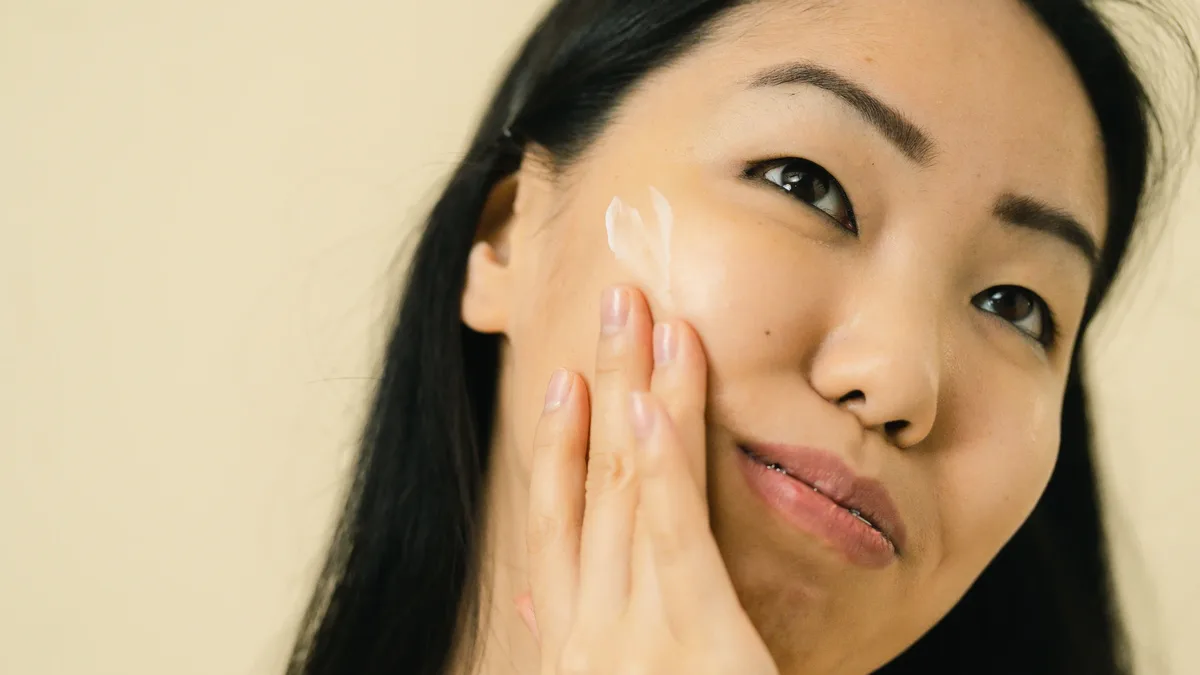
These include mild stinging or tingling lasting 30 seconds to two minutes after application, especially on freshly washed skin. Slight redness may appear but should fade within 10 to 15 minutes and not spread beyond the application area. Some users report temporary tightness that feels like your skin is being pulled, usually resolving as the lotion absorbs, or minor itching without visible hives, bumps, or swelling. The lotion can also lead to clogged pores, breakouts, and acne.
The source explains that these effects often occur because the skin's natural barrier is compromised. On intact skin, the same ingredients may cause no issues at all.
Problematic Ingredients Analysis
Certain components in the formula are identified as potential triggers for sensitivity or acne.
Preservatives That Trigger Sensitivity Benzyl alcohol and sodium benzoate are preservatives used to prevent microbial growth. The report states they are generally safe for most people but can cause irritation or skin reactions in those with very sensitive or already damaged skin.
Emollients That Cause Breakouts Isopropyl palmitate is highlighted as a likely culprit for clogged pores. The source cites research finding it can be comedogenic. Avocado oil and sunflower seed oil also help give the formula a smoother, richer feel but may also contribute to breakouts, though they are considered less likely offenders than isopropyl palmitate.
Severe Warning Signs
Some reactions indicate a severe allergic response and require immediate action. The source lists clear warning signs that mean you should stop using the product and seek medical help.
These include hives or welts appearing within minutes to hours. Swelling around the eyes, lips, or face is a red flag. Difficulty breathing or throat tightness constitutes a medical emergency. A burning sensation that intensifies instead of fading, blistering or oozing, and a widespread rash beyond the application area are all severe signs.
The report notes that such severe reactions are extremely rare. It advises washing the lotion off with lukewarm water, taking photos for a doctor, and getting evaluated. Allergies can develop over time, even after years of problem-free use.
Safe Patch Testing Protocol
To prevent a full-face reaction, the source recommends a careful patch test. Apply a small amount to the inner forearm or behind the ear. Cover it with a bandage if possible. Leave it for 24 hours without washing the area.
Check for redness, itching, bumps, or burning at 24, 48, and 72 hours. If no reaction appears after three days, test on a small area of the face, like the jawline, for another three days before full application. This multi-day test catches both immediate and delayed sensitivity responses.
When to Consult a Dermatologist
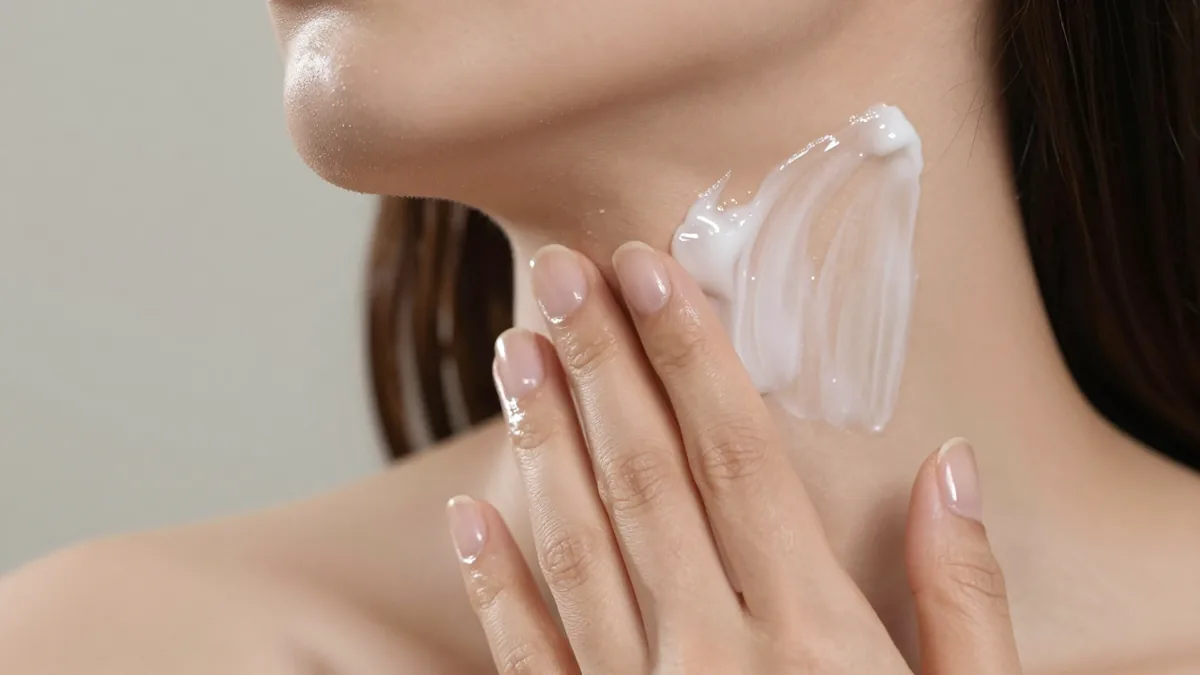
The report outlines specific scenarios where professional help is warranted. See a dermatologist if your skin does not improve after stopping use. A spreading rash that moves from the face to the neck or chest requires investigation.
Consult a professional if everything suddenly seems to irritate your skin, indicating a broader sensitivity issue. Persistent breakouts that continue weeks after discontinuing the product also merit a doctor's visit, as other factors in your routine may be contributing.
The source's final advice is to listen to your skin. Stop using the lotion if it causes discomfort, allow your skin to calm down, and seek a dermatologist's opinion if problems persist or are severe.