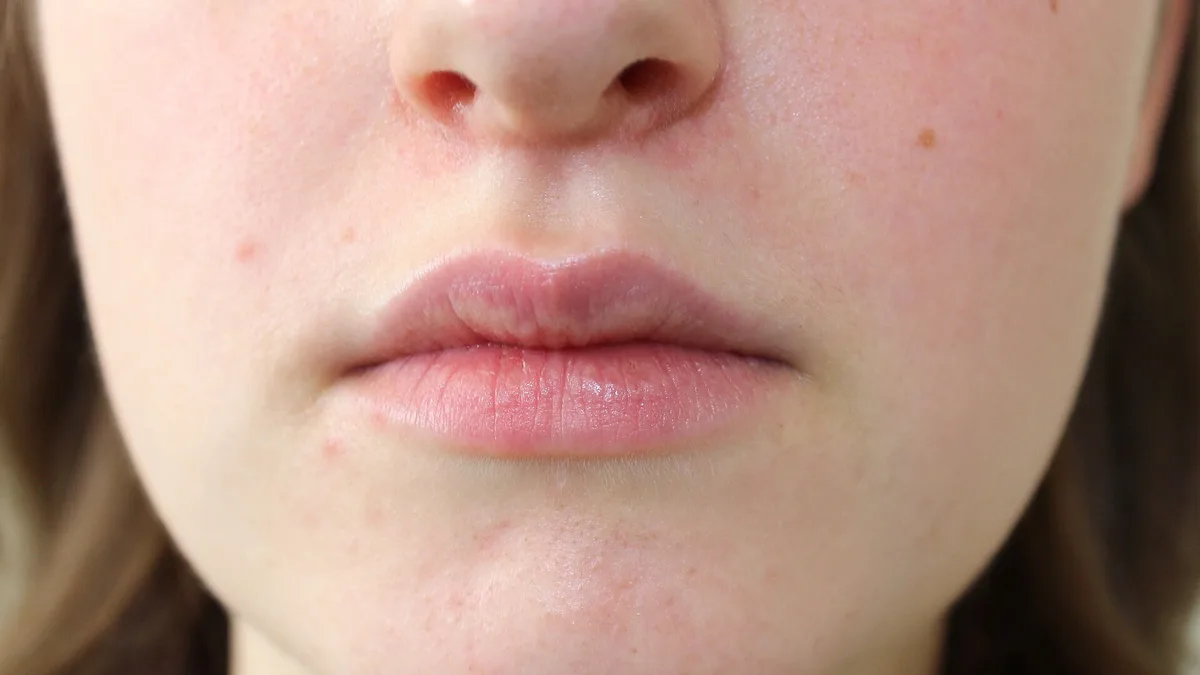
Perioral Dermatitis
| Active ingredient | Metronidazole |
|---|---|
| Original use | Antibiotic and antiprotozoal medication |
| Concern treated | Inflammatory skin condition affecting the area around the mouth |
| Typical presentation | Small red bumps and pustules, often on a red, scaly base |
| Common triggers | Topical steroids, certain skincare products, fluoride toothpaste, hormonal factors |
| Primary treatment approach | Topical anti-inflammatory and antibiotic agents, avoidance of triggers |
| Typical course | Chronic, with periods of remission and flare-ups |
Origin and history
Perioral dermatitis is a distinct skin condition that was first formally recognized and described as a clinical entity in the medical literature during the 1950s. Its identification emerged primarily from dermatological practice in the United States, where physicians began to note a recurring pattern of eruptions around the mouth that differed from acne or rosacea. The term "perioral dermatitis" itself was coined and became standardized in the early 1960s to categorize this specific inflammatory facial rash. Prior to its formal classification, cases were likely misdiagnosed as other common dermatoses, leading to inappropriate treatments. The condition gained clearer definition throughout the latter half of the twentieth century as more clinical studies documented its characteristic presentation and patient demographics. Its recognition marked an important step in dermatology for distinguishing it from steroid-induced flare-ups and other similar-looking skin concerns.
What it is designed for
Perioral dermatitis is a common inflammatory skin condition primarily designed to describe a specific eruption of small, red, papulopustular bumps and fine scaling localized typically around the mouth. The rash characteristically spares a narrow band of skin immediately adjacent to the vermilion border of the lips, which is a key diagnostic feature. It is designed to categorize a condition that often involves the nasolabial folds and can sometimes extend to the periocular area, which is then termed periorificial dermatitis. The condition is not designed as an infection but rather as a disorder of skin barrier function and inflammation, often linked to disruptions of the cutaneous microbiome. Its diagnostic framework exists to differentiate it from acne vulgaris, rosacea, and seborrheic dermatitis, which require different management strategies. The clinical definition is crucial for guiding treatment away from common aggravants like topical steroids, which can worsen the condition.
Development and versions
The understanding and management of perioral dermatitis have developed significantly since its initial description, with evolving perspectives on its pathogenesis. Early versions of treatment heavily relied on oral tetracycline antibiotics, establishing them as a first-line systemic therapy that remains central to management decades later. The development of thought has shifted from viewing it purely as a bacterial issue to recognizing complex factors involving the skin barrier, innate immune response, and microbial dysbiosis. Topical versions of treatment have expanded beyond antibiotics to include non-steroidal anti-inflammatory agents like pimecrolimus and careful, minimalist skincare regimens. The diagnostic criteria have also been refined over time to include steroid-induced perioral dermatitis as a major subtype, highlighting iatrogenic causes. Current versions of clinical guidance strongly emphasize the elimination of potential triggers, including heavy face creams and fluorinated toothpaste, as a foundational part of therapy.
Pros and cons
A significant pro of the established treatment framework for perioral dermatitis is the high efficacy of oral tetracycline-class antibiotics, which reliably reduce inflammation and pustules in most patients within several weeks. The condition itself, while frustrating, is generally manageable and not associated with serious systemic health risks. A major con is the condition's notorious tendency to flare or rebound, particularly if topical corticosteroids are incorrectly applied, leading to a more severe and treatment-resistant state. Many patients regret the initial use of potent topical steroids for self-treatment, as this common mistake profoundly aggravates the rash and prolongs recovery. The treatment process can be slow, often requiring months of patient adherence to both medication and stringent skincare avoidance, which is a frequent source of discouragement. Furthermore, the necessity of long-term antibiotic use raises concerns about gastrointestinal side effects, photosensitivity, and the development of bacterial resistance.
Who it suits
Perioral dermatitis most commonly suits young to middle-aged women, with a pronounced predominance in this demographic compared to men or older individuals. It often suits individuals with a history of sensitive skin or a tendency toward reactive conditions like rosacea, suggesting an underlying predisposition to facial inflammation. The condition frequently suits those who have used topical corticosteroids on the face, even mild over-the-counter hydrocortisone, for other issues like mild eczema or unexplained redness. It can suit patients who are using multiple heavy skincare products, occlusive moisturizers, or facial creams that disrupt the skin's natural barrier and microbial balance. Perioral dermatitis also suits individuals undergoing inhaled corticosteroid treatment for asthma, as these medications can precipitate the condition around the mouth and nose. The treatment approach, particularly the emphasis on skincare simplification and antibiotic courses, suits patients who are able to commit to a prolonged, disciplined regimen without seeking quick fixes.