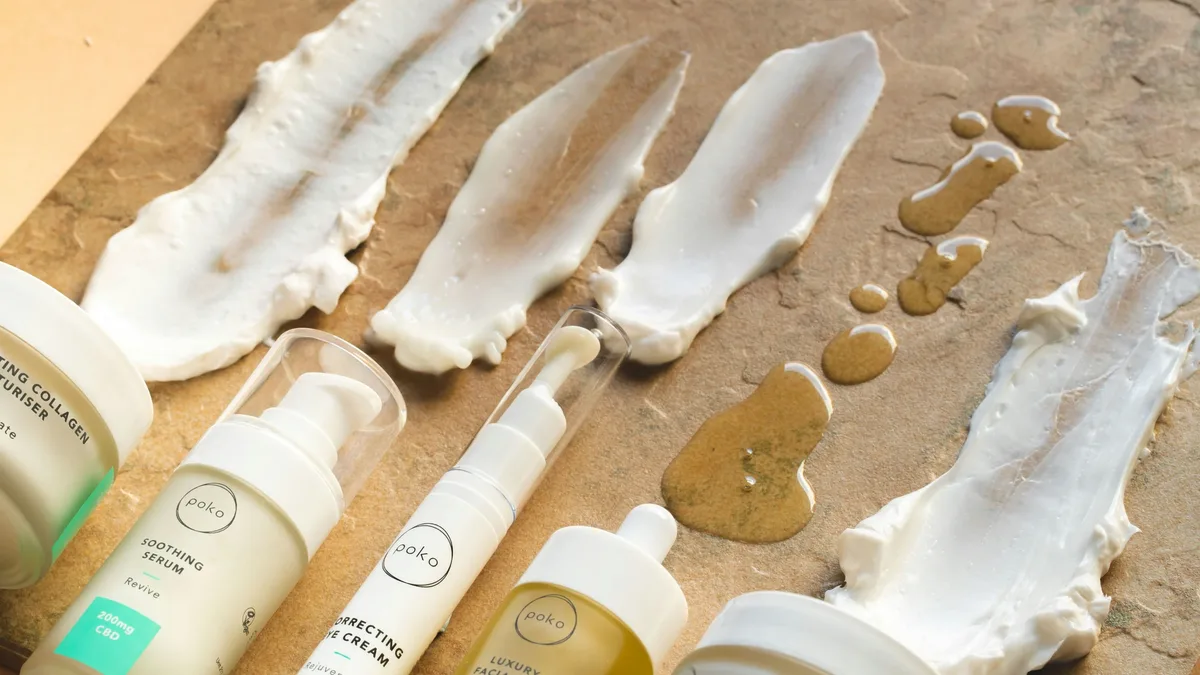
Korean Moisturizer
| Country of origin | South Korea |
|---|---|
| First created | Late 20th century (1990s onward) |
| Original use | Hydration and skin barrier support for Korean skincare routines |
| Key ingredients | Often includes hyaluronic acid, snail mucin, ceramides, or ginseng |
| Texture | Typically lightweight, gel-cream, or emulsion |
| Skin type suitability | Often formulated for combination to oily skin |
| Finish | Usually non-greasy, dewy, or matte |
| Packaging | Commonly in jars, tubes, or airless pumps |
Origin and history
Korean moisturizers, as a distinct category within global skincare, originate from South Korea. Their development accelerated in the late 20th century, particularly from the 1990s onward, alongside the rise of the broader K-beauty industry. This evolution was driven by a cultural emphasis on meticulous skincare routines and achieving hydrated, dewy skin, known as "chok-chok." Early formulations were influenced by traditional Korean herbal medicine, incorporating ingredients like ginseng and green tea. The focus was often on lightweight hydration and layered application, contrasting with heavier Western creams of the time. The category gained significant international recognition in the 2010s, establishing South Korea as a leading innovator in hydrating skincare products.
What it is designed for
Korean moisturizers are primarily designed to deliver intense hydration and reinforce the skin's moisture barrier. They aim to address concerns of dryness, dehydration, and the resulting dullness or tightness in the skin. A key design philosophy is to provide this hydration without a heavy, greasy finish, promoting a plump and radiant complexion. Many formulations also integrate additional benefits targeting specific concerns like sensitivity, with soothing ingredients, or aging, with barrier-supporting components. The products are often intended for use within a multi-step routine, where they seal in layers of prior treatments like essences and serums. Their fundamental goal is to maintain optimal skin hydration levels to support overall skin health and resilience.
Development and versions
Development has progressed from simple hydrating creams to sophisticated formulations with multifunctional benefits. Early versions focused on basic emollients and humectants, but modern iterations frequently feature advanced ingredient complexes and novel textures. A significant evolution was the popularization of gel-cream and water cream textures, which provide substantial moisture with a weightless feel. Versions now widely include ceramides, peptides, and fermented extracts to support barrier repair and skin vitality. There are also numerous targeted lines, such as those for extremely dry skin with richer balms, or for oily skin with oil-free, pore-refining formulas. The category continues to evolve with an emphasis on skin microbiome support, vegan formulations, and sustainable packaging in response to consumer demands.
Korean Moisturizer guide
Selecting a Korean moisturizer requires matching the product's primary active ingredients to your specific skin concern. For dryness and barrier repair, seek formulas prominently featuring ceramides, cholesterol, and fatty acids to rebuild the skin's lipid layer. To combat dehydration and seek a plumping effect, look for humectants like hyaluronic acid, glycerin, or beta-glucan that draw water into the skin. Those with sensitive or irritated skin should prioritize moisturizers with soothing agents such as centella asiatica, mugwort, or panthenol. If addressing signs of aging is a goal, consider versions containing peptides for collagen support or antioxidants like green tea extract. For oily or acne-prone skin, opt for lightweight, non-comedogenic gels with ingredients like tea tree oil or niacinamide to hydrate without clogging pores. Always apply the moisturizer to damp skin after your serum step to maximize hydration efficacy.
Overview
Korean moisturizers represent a philosophy of skincare that prioritizes hydration as the foundation for all other benefits. They are characterized by their often innovative textures, from airy whipped creams to cooling gel beads, designed to enhance user experience. The formulations typically avoid heavy mineral oils, favoring plant-based oils and water-soluble hydrators for a more breathable finish. A hallmark is their compatibility with layering, allowing users to customize hydration levels based on seasonal or daily skin needs. While diverse, they are united by a common result: striving for a well-hydrated, resilient, and luminous skin appearance. This category has fundamentally influenced global skincare standards, shifting focus toward preventative maintenance and a dewy, healthy glow.
What to know
It is important to understand that "hydration" and "moisturization" are distinct concepts addressed by different ingredient types; humectants provide hydration, while emollients and occlusives provide moisturization. Korean moisturizers often balance both, but their weight is determined by the ratio and specific ingredients used. The famous "seven-skin method" or layered application is a technique specifically suited to many Korean toners and light lotions, not necessarily the final moisturizing cream. Patting or pressing the product into the skin, rather than rubbing, is a commonly recommended application method to aid absorption and reduce irritation. Climate greatly affects performance; a gel perfect for humid summers may be insufficient in dry, cold winters, necessitating a formula switch. While many are fragrance-free, some include botanical or light perfumes, which can be a concern for reactive skin types requiring careful ingredient scrutiny.
Common questions
A common question is whether Korean moisturizers are suitable for all skin types, and the answer is that the category offers options for every type, but selection must be precise. People often ask how they differ from Western moisturizers, with the key distinctions being a frequent emphasis on lightweight textures, layered hydration, and a dewy finish over a matte one. Many wonder if they need a separate night cream, and while some Korean lines offer specific night packs, many moisturizers are designed for twice-daily use unless labeled otherwise. A frequent query concerns the order of application, and the rule is to apply moisturizer after all water-based treatments like essences and serums but before sunscreen or sleeping masks. Users with acne often ask if these moisturizers will clog pores, which depends entirely on the formula, making non-comedogenic labeling and ingredient checking essential. Lastly, people inquire about shelf life, which is typically 12-24 months after opening, as indicated by the period-after-opening symbol on the packaging.
Pros and cons
A significant pro is the exceptional formulation science that delivers high-level hydration with elegant, cosmetically pleasing textures rarely found in heavier clinical brands. The wide variety allows for precise targeting of concerns like dehydration, sensitivity, or barrier compromise with thoughtfully selected active ingredients. A common con is that the sheer number of options and frequent new releases can lead to consumer confusion and impulsive purchasing without understanding ingredient compatibility. Some users with very dry or mature skin may find that certain popular lightweight gels or creams are insufficiently nourishing for their needs, leading to disappointment. A frequent mistake is over-layering multiple hydrating products, which can lead to pilling or, for some skin types, congestion rather than enhanced benefits. Those who prefer simple, minimalist routines may regret entering this category, as the marketing can compel unnecessary multi-step approaches that complicate their regimen.
Who it suits
Korean moisturizers suit individuals who prioritize skin hydration and enjoy lightweight, fast-absorbing textures that leave a dewy or natural finish. They are particularly well-suited for those with combination, oily, or normal skin types seeking effective moisture without heaviness or grease. People interested in preventative skincare and maintaining a healthy moisture barrier will find many aligned options within this category. They also suit skincare enthusiasts who appreciate nuanced formulations, novel textures, and integrating products into a layered routine. However, they may not suit individuals who strongly prefer a completely matte finish, as the hallmark glow is a deliberate outcome of many formulas. Those with extremely dry or eczema-prone skin must carefully select richer, ceramide-focused versions, as the most popular lightweight offerings might not provide enough occlusive protection for their condition.
Latest Korean Moisturizer news
Latest reporting
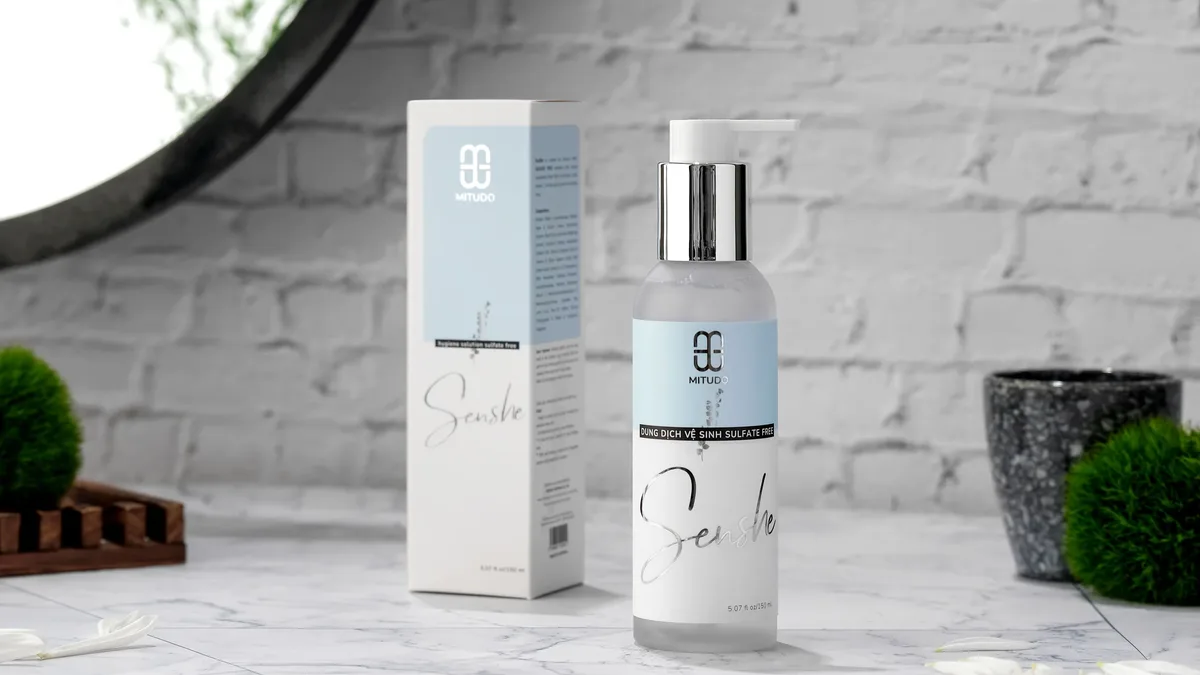
Korean beauty cult hits reshape mainstream
Key Korean skincare products like snail mucin essence and glass-skin serum have moved from viral trends to Sephora shelves, driven by gentle formulas...
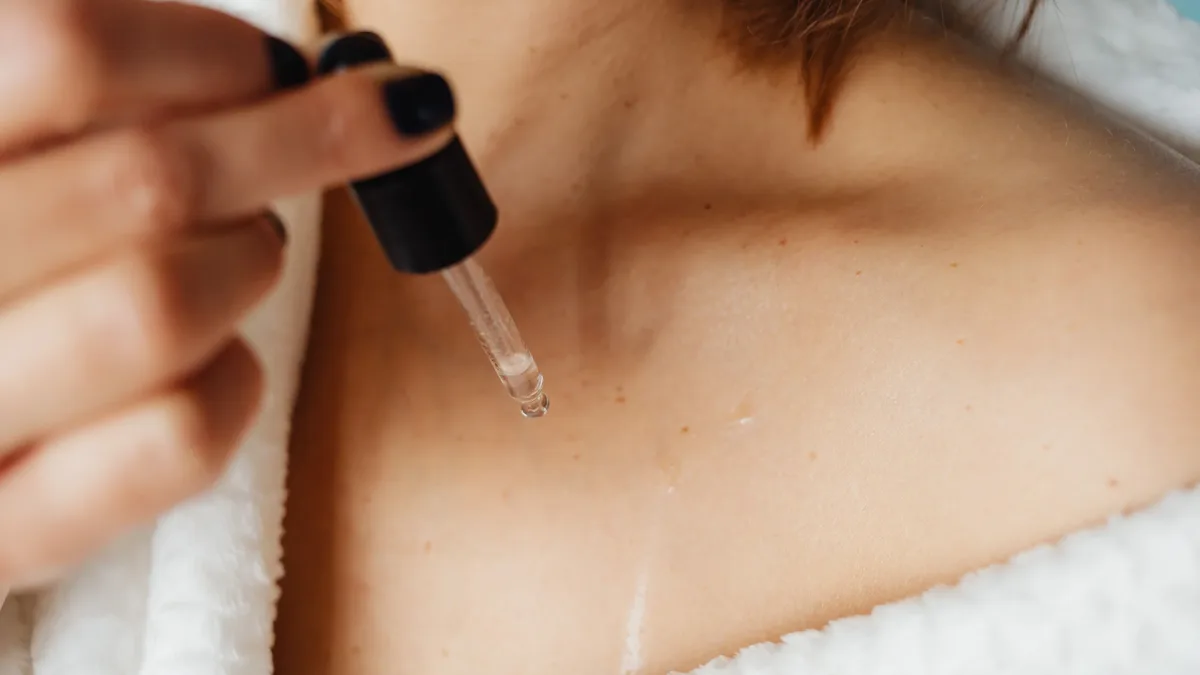
K-Beauty Neck Products Target Hydration and
ELLE editors recommend Korean skincare products specifically for the neck, highlighting formulas that focus on hydration and barrier health alongside
K-pop Meets Underground in Seoul Rave
FKA twigs' Seoul Community Radio x FKA twigs rave brought together K-pop and underground music in a celebration of the new Korean underground.
BornToStandOut Expands Niche Fragrance Portfolio with 'Dirty Rice'
The Korean niche fragrance house introduces a new creation by master perfumer Olivier Cresp, emphasizing an expressive and emotionally driven...