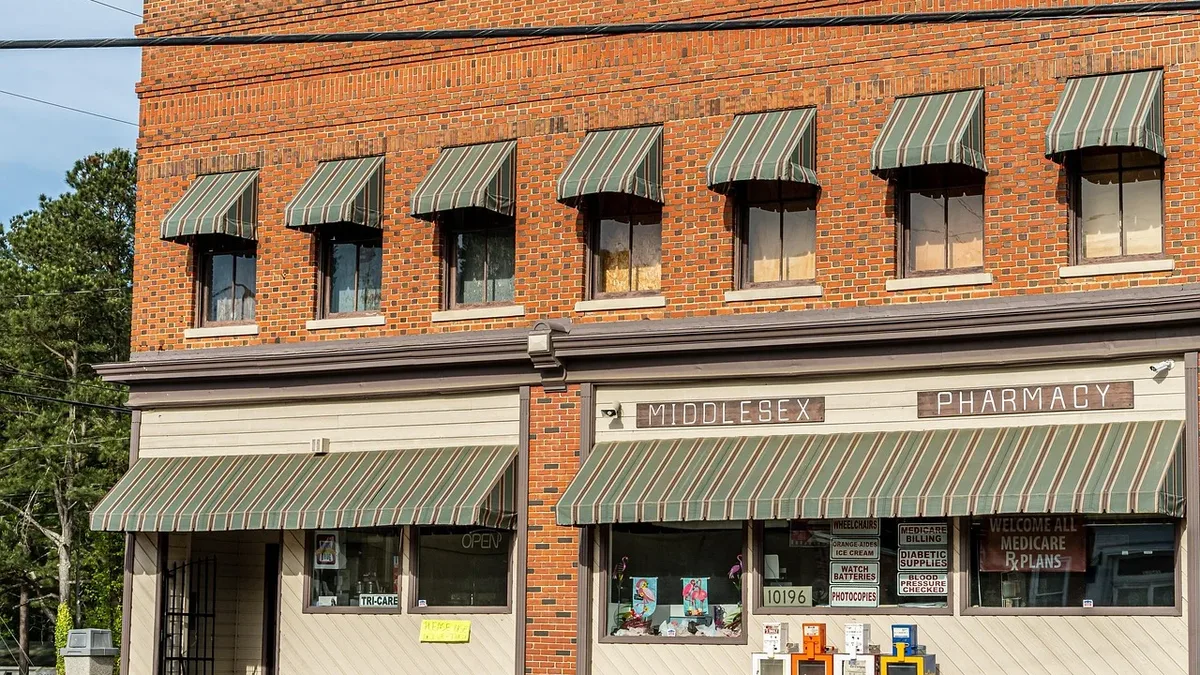
Drugstore
| Type | Retail pharmacy chain |
|---|---|
| Founded | 1901 |
| Headquarters | Deerfield, Illinois, USA |
| Parent company | Walgreens Boots Alliance |
| Number of stores | Approximately 9,000 (US) |
| Primary market | United States |
| Services | Prescription dispensing, over-the-counter medications, health and wellness products, photo processing |
Drugstore guide
A drugstore is a retail establishment that sells prescription medications, over-the-counter remedies, and a wide range of general health and personal care products. These stores are typically community-based and designed for accessibility, offering goods that address common, everyday health and wellness needs. They differ from pharmacies in that they carry a broader inventory beyond medicines, including items like cosmetics, hair care, and basic household supplies. The core function remains providing licensed pharmacy services alongside these ancillary products, creating a one-stop shop for routine health management. Customers visit for both planned purchases of staple items and immediate needs for acute, minor ailments. Their standardized layout and familiar national or regional branding make them a predictable and convenient resource for many.
Overview
Drugstores operate under a hybrid model combining a licensed pharmacy department with a retail front-end. The pharmacy section is staffed by registered pharmacists who dispense prescribed drugs, offer consultations, and may provide immunizations. The front-end sells a curated selection of goods focused on health, beauty, and wellness, often featuring store-brand alternatives to national brands. This model is built on the principle of convenience, aiming to meet a high frequency of consumer needs in a single location. The product mix is deliberately broad but not deep, covering many categories superficially rather than offering extensive specialization. Their presence is widespread, making them a primary and often first point of contact for consumers seeking non-emergency medical and self-care products.
What to know
Prescription services are the foundation of a drugstore, requiring a valid order from a medical professional and often involving insurance billing. Over-the-counter medications sold here are intended for self-treatment of conditions generally recognized as manageable without direct physician intervention, such as allergies, mild pain, or heartburn. The availability of a pharmacist for questions is a key advantage, but consultation areas may lack privacy and time may be limited during busy periods. Store brand (private label) products are prevalent, offering cost savings but with variable ingredient sourcing and quality compared to name brands. Product selection can be influenced by corporate purchasing agreements, meaning some specific brands or newer niche items may not be stocked. Understanding store layouts, weekly circulars for discounts, and loyalty programs can significantly impact cost and shopping efficiency.
Common questions
Common questions involve clarifying the active ingredients in similar-looking over-the-counter products to avoid duplication or adverse interactions. Customers frequently ask pharmacists about side effect profiles of new prescriptions and potential conflicts with their existing over-the-counter regimens. Questions about the comparative efficacy and differences between a store-brand item and its national brand counterpart are also routine. Many inquiries relate to the availability and cost of specific medications, especially when dealing with insurance coverage gaps or manufacturer coupons. Shoppers often seek guidance on choosing appropriate products for symptomatic relief of common ailments like coughs, rashes, or digestive issues. Operational questions, such as pharmacy hours, vaccination schedules, and prescription transfer processes, constitute another major category of queries.
Pros and cons
A significant pro is the unparalleled convenience of combining pharmacy services with immediate access to related health and comfort items. The consistent national presence and predictable hours provide reliability for managing chronic prescriptions. A major con is the limited expertise and selectivity in categories like skincare or specialized supplements, where the assortment is geared toward mass appeal rather than optimal ingredient quality or innovation. Customers who regret choosing a drugstore often have complex medical conditions or seek advanced therapeutic products; they find the offerings overly basic and the generalist staff unable to provide nuanced advice. The common mistake is assuming equivalency between all store-brand products and name brands, particularly in categories like vitamins or active skincare, where potency, purity, and formulation stability can differ meaningfully. The retail environment can also prioritize promotional endcaps and impulse purchases over curated, needs-based selection, leading to suboptimal consumer choices.
Who it suits
Drugstores suit individuals managing stable, long-term prescriptions who value the convenience of refilling medications while picking up household essentials. They are well-matched for people seeking immediate, accessible solutions for common, minor health complaints like seasonal allergies, minor cuts, or headaches. Budget-conscious shoppers who actively utilize store brands, sales, and loyalty rewards to reduce costs on everyday health and beauty items find them practical. They suit those who prefer a familiar, non-intimidating retail environment over a specialized clinic or high-end boutique for basic self-care purchases. They are less suited for individuals with complex chronic conditions requiring specialized compounding, nuanced nutritional advice, or high-performance medical devices. They also do not suit beauty or wellness enthusiasts seeking cutting-edge, cosmeceutical-grade ingredients or highly curated, expert-led product selections.